
Comparison
Anker SOLIX C1000 Gen 2 vs EcoFlow DELTA 2: Which 1kWh Station Fits You?
Anker C1000 Gen 2 vs DELTA 2: a buyer-first comparison of output, solar, UPS behavior, expansion, outlets, and real 1kWh backup fit.
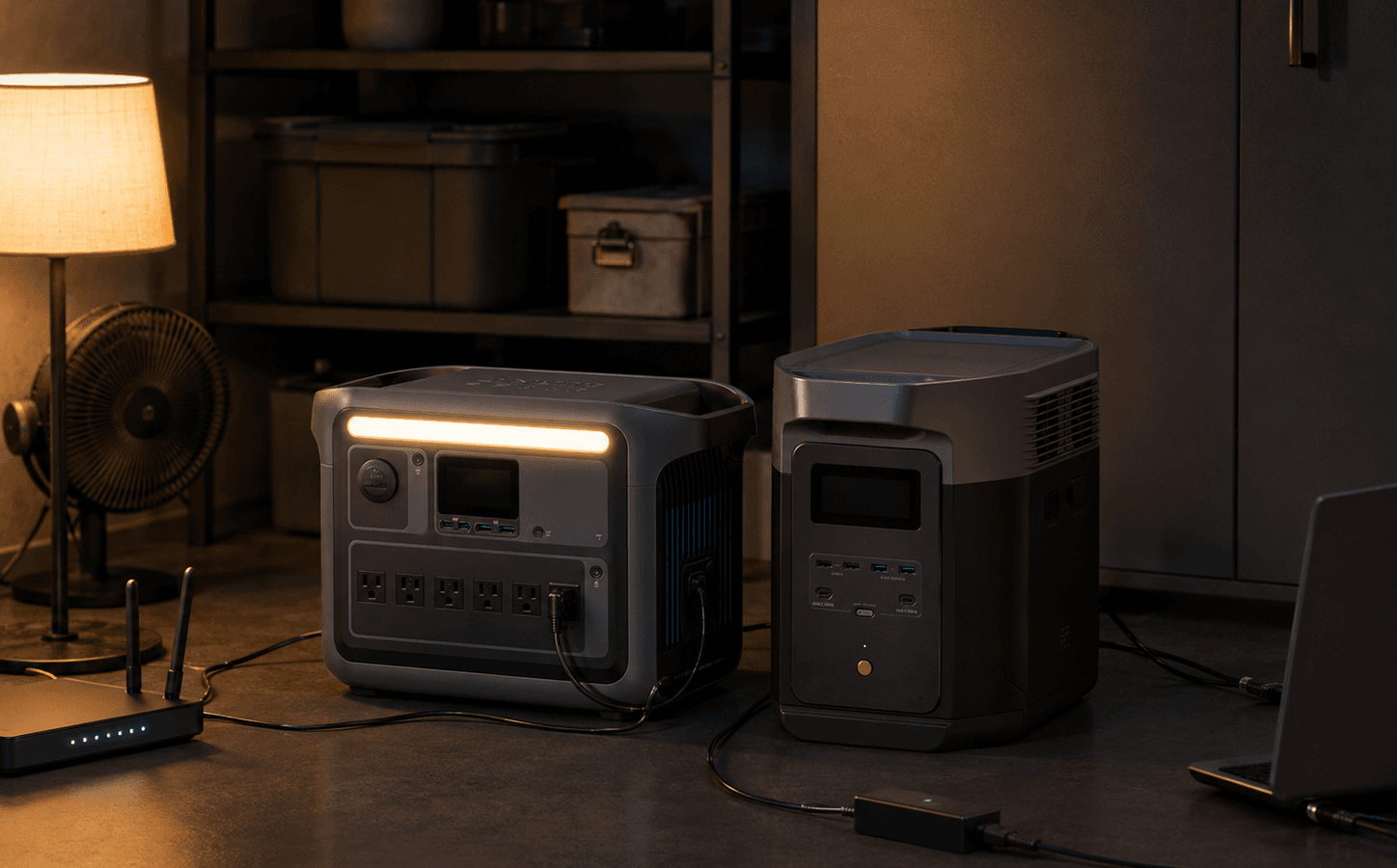
Product Matchup
Side-by-side summary
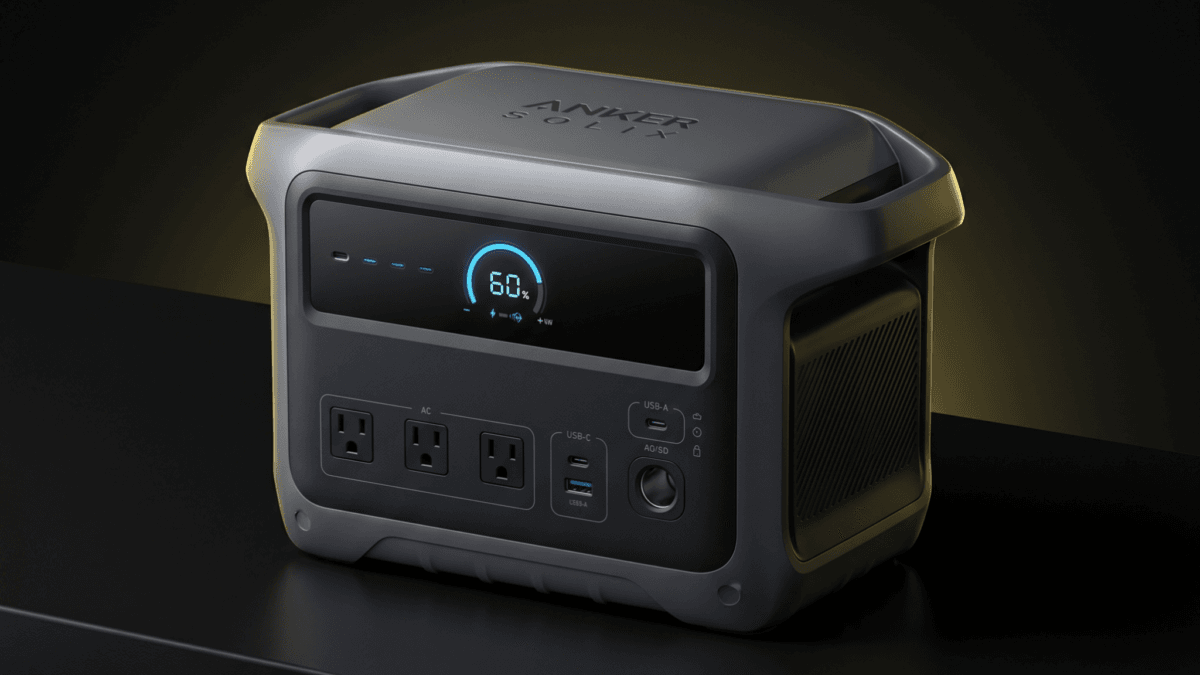
Product A
Overall Winner
Anker SOLIX C1000 Gen 2 Portable Power Station
Compact 1,024Wh portable power station with 2,000W output, 3,000W peak, 49-minute fast AC recharge, 600W solar input, and 10 ms UPS support for home backup, camping, and RV use.
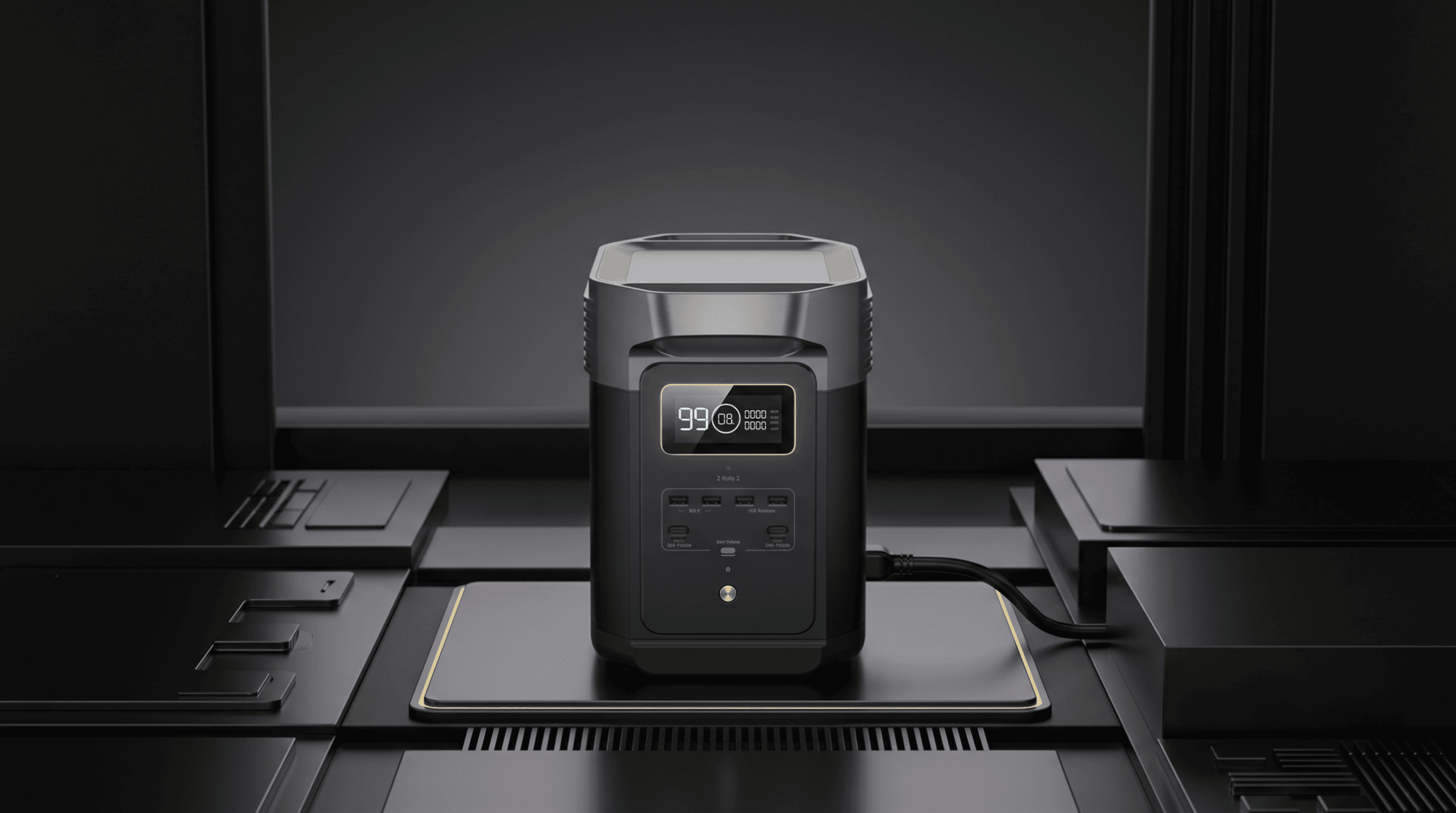
Product B
EcoFlow DELTA 2 Portable Power Station
The EcoFlow DELTA 2 is a 1024Wh portable power station with a LiFePO4 battery, 1800W AC output, 500W max solar input, Wi-Fi and Bluetooth app control, and support for one extra battery to expand capacity. It is a strong fit for home backup, camping, RV use, and emergency power.
Spec Comparison
Core numbers
| Spec | Anker SOLIX C1000 Gen 2 Portable Power Station | EcoFlow DELTA 2 Portable Power Station |
|---|---|---|
| Capacity | 1024 Wh | 1024 Wh |
| AC Output | 2000 W | 1800 W |
| Solar Input | 600 W | 500 W |
This article may contain affiliate links. If you buy through these links, PowerLabPro may earn a commission at no extra cost to you. As an Amazon Associate I earn from qualifying purchases.
Research note: This comparison is based on current manufacturer specifications, product documentation, and product-listing identity information. PowerLabPro has not performed hands-on laboratory testing of either station. Confirm the current bundle, accessories, and compatibility before purchase.
The Anker C1000 Gen 2 vs DELTA 2 choice looks simple at first because both start with a 1,024Wh LiFePO4 battery. It stops being simple when you build a real outage plan. The Anker has stronger 2,000W output, 600W solar input, a published 10 ms UPS specification, and a lighter body. The EcoFlow has six AC outlets and can add one compatible extra battery later. The better purchase depends on which difference you will actually use.
Anker C1000 Gen 2 vs DELTA 2: Quick Verdict
Choose the Anker SOLIX C1000 Gen 2 when you want the strongest fixed 1kWh unit for a home office, apartment outage kit, camping setup, or short home interruption. Its 2,000W output, 600W solar ceiling, 49-minute recharge claim, and published 10 ms UPS behavior are meaningful advantages.
Choose the EcoFlow DELTA 2 when you regularly need more than three AC outlets or you want the option to build from 1kWh into a 2kWh or 3kWh setup with one compatible extra battery.
Skip both when the real job is long refrigerator coverage, a pump, central air, hardwired home circuits, or multi-day outages. A 1kWh battery is useful, but it is still a 1kWh battery.
Source specifications in this comparison come from Anker SOLIX’s official C1000 Gen 2 product page and EcoFlow’s official DELTA 2 product page. For broader outage readiness, see Ready.gov’s power outage guidance.

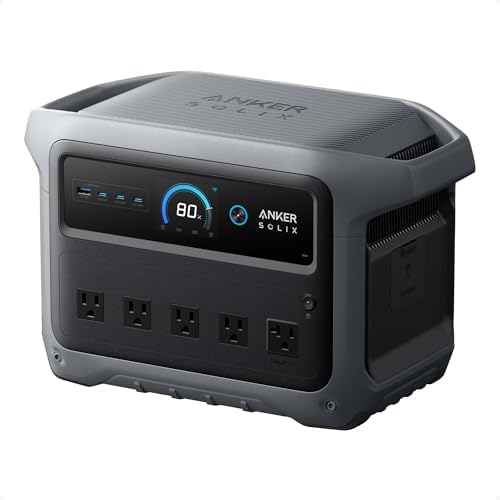
Anker C1000 Gen 2 vs DELTA 2: Key Specifications
The headline capacity is the same, so this Anker C1000 Gen 2 vs DELTA 2 decision turns on the details around that battery: the inverter, the ports, charging behavior, and whether you need to add capacity later.
| What matters | Anker SOLIX C1000 Gen 2 | EcoFlow DELTA 2 |
|---|---|---|
| Base capacity | 1,024Wh | 1,024Wh |
| Battery chemistry | LiFePO4 | LiFePO4 |
| Continuous AC output | 2,000W | 1,800W total |
| Peak / surge | 3,000W peak | 2,700W surge |
| AC outlets | 3 | 6 |
| Solar input | 600W maximum | 500W maximum |
| Fast AC charging | 49 minutes to full with UltraFast Charging enabled | Up to 1,200W X-Stream AC charging |
| Backup switchover | 10 ms UPS | EPS backup; no matching 10 ms claim used here |
| Expansion | No expansion feature | One compatible DELTA 2 or DELTA Max extra battery |
| Weight | 24.9 lb | 27 lb |
What the Numbers Change in Real Use
In an Anker C1000 Gen 2 vs DELTA 2 comparison, 200W of extra inverter power may not matter for a router, laptop, lights, or phone charging. It matters when an appliance load gets close to the ceiling, or when several practical loads share the station at once. Anker gives you more margin before overload.
EcoFlow answers a different problem. Six AC outlets are more convenient in a living-room or kitchen outage setup, and its expansion path means you do not need to decide today that 1kWh is your permanent limit. That is valuable for a buyer who expects the backup plan to grow after the first storm, first camping season, or first refrigerator test.
Neither point is automatically better. A person who needs one compact, fast, fixed unit should not pay for expansion they will never use. A buyer who already knows one battery is not enough should not ignore EcoFlow’s growth path just because Anker wins a single spec row.
Anker C1000 Gen 2 vs DELTA 2: Buyer Decision Matrix
| Your real priority | Better fit | Why it wins |
|---|---|---|
| Higher fixed-unit output | Anker SOLIX C1000 Gen 2 | 2,000W continuous output offers more appliance headroom. |
| Fast published UPS behavior | Anker SOLIX C1000 Gen 2 | Anker lists a 10 ms UPS switchover. |
| Higher solar-input ceiling | Anker SOLIX C1000 Gen 2 | 600W maximum solar input. |
| Most AC connections | EcoFlow DELTA 2 | Six AC outlets versus three. |
| Capacity growth later | EcoFlow DELTA 2 | One compatible extra-battery path. |
| Lowest carry weight | Anker SOLIX C1000 Gen 2 | 24.9 lb versus 27 lb. |
Outage, Apartment, Camping, and RV Fit
For apartment or home-office backup
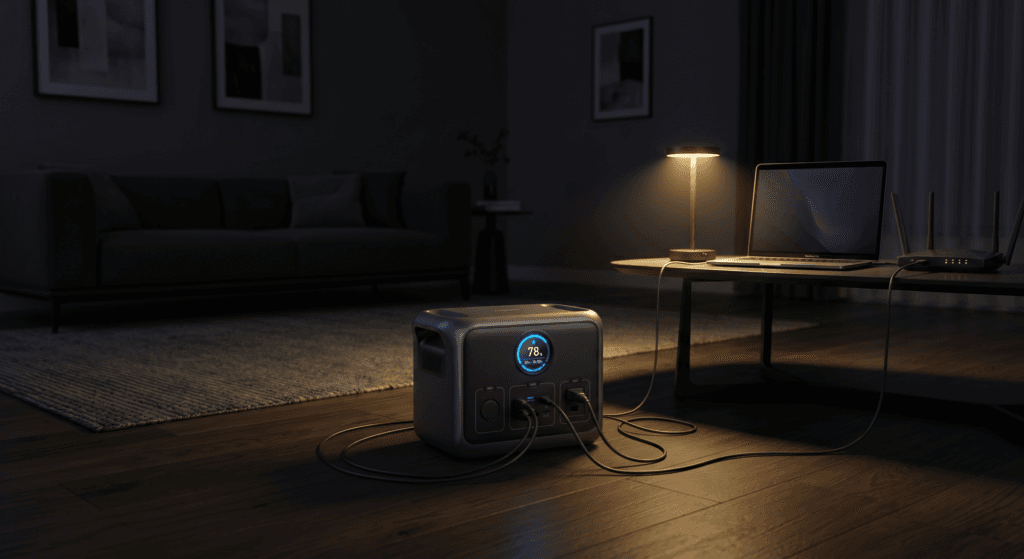
The Anker C1000 Gen 2 vs DELTA 2 winner for a desk-side or apartment setup is Anker when fast transfer matters. Its published 10 ms UPS behavior, higher inverter rating, and compact carry weight fit a router, laptop, monitor, phones, LED lighting, and carefully managed appliance use. Confirm your device requirements before relying on any portable station for sensitive or medical equipment.
For a multi-device household plan
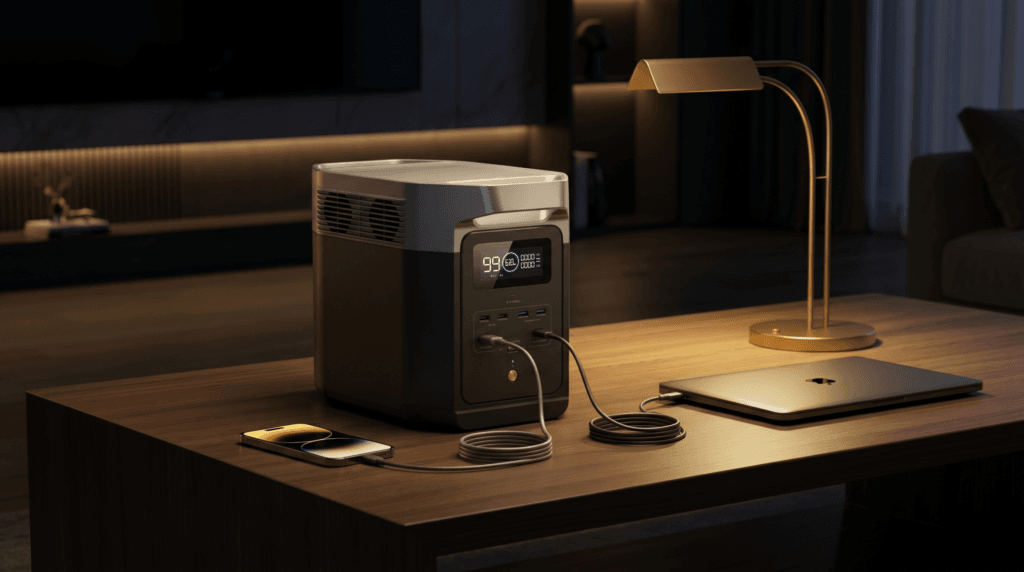
EcoFlow makes more sense when three AC outlets would feel restrictive. Six sockets, Wi-Fi and Bluetooth control, and extra-battery compatibility make it the easier station to build around when a router, lamps, chargers, a fan, and occasional appliances all need attention.
For camping or light RV use
Both work. Anker is the better fit for the buyer who values 600W solar input and wants to move the unit often. EcoFlow is the better fit for the buyer who wants more plug-in flexibility or may add capacity later. The difference is less about brand loyalty and more about how your setup changes over time.
For a renter-specific shortlist, use the portable power station for apartment outages guide. For the battery-size calculation behind the choice, use What Size Power Station Do I Need?.
Anker C1000 Gen 2 vs DELTA 2 FAQ
Is Anker C1000 Gen 2 vs DELTA 2 better for a refrigerator?
Neither model is automatically the right refrigerator station just because it has a strong inverter. Both may support many refrigerators when startup and running watts fit, but the base capacity is limited for long outages. EcoFlow becomes more interesting if you plan to add a compatible extra battery later.
Does the EcoFlow DELTA 2 have an advantage over Anker?
Yes. The DELTA 2 has six AC outlets and supports one compatible extra battery. That is the meaningful advantage for buyers who expect a multi-device setup or future growth.
Does the Anker SOLIX C1000 Gen 2 have an advantage over EcoFlow?
Yes. It has 2,000W continuous output, 600W solar input, a 49-minute recharge claim with UltraFast Charging enabled, published 10 ms UPS behavior, and a lower carry weight.
Final Verdict: Anker C1000 Gen 2 vs DELTA 2
The Anker C1000 Gen 2 vs DELTA 2 choice is not a tie. Anker is the stronger fixed 1kWh package for output, solar input, fast UPS-style backup, and portability. EcoFlow is the smarter platform for a buyer who needs six AC outlets today or expects to add capacity later.
Choose Anker when you want one compact unit that does a demanding job now. Choose EcoFlow when you want a station that can become a larger system later. In either case, buy for your measured load plan, not for the largest number on a product box.
Winners by Category
| Overall | Anker SOLIX C1000 Gen 2: Fast 1kWh Backup |
|---|---|
| Value | Tie |
| Portability | Anker SOLIX C1000 Gen 2: Fast 1kWh Backup |
| Output | Anker SOLIX C1000 Gen 2: Fast 1kWh Backup |
| Battery | EcoFlow DELTA 2: Practical 1kWh Backup |
Final Verdict
Choose the Anker SOLIX C1000 Gen 2 for output, faster published charging, 600W solar input, 10 ms UPS behavior, and lower carry weight. Choose EcoFlow DELTA 2 for six AC outlets and one compatible extra-battery expansion path.