
PowerLabPro resources help you plan safer outage setups, understand battery limits, and make better backup-power decisions before comparing specific products.
Start with the sizing guide, then use the appliance-planning resources for startup demand, runtime, cycling, connection limits, and reserve planning. Battery care and commercial decision pages remain clearly separated so each resource has one job.
Start Here
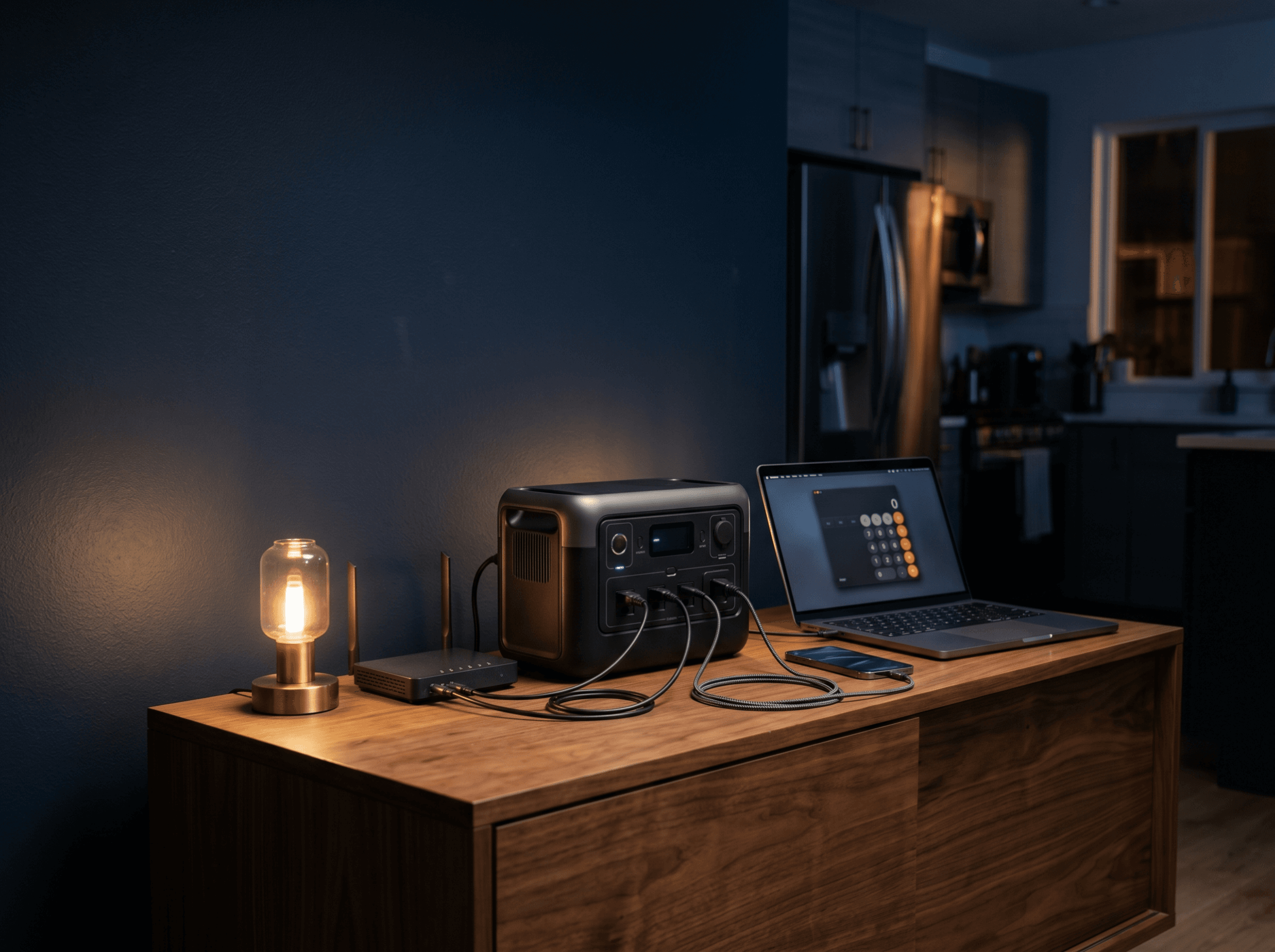
Portable Power Station Sizing Guide
Estimate the capacity, continuous output, startup margin, reserve, and recharge plan needed for your actual outage loads.
Appliance Backup Planning
Start with the exact appliance label, manual, startup behavior, and expected operating time. These planning guides explain whether a portable power station can support the load, how to estimate battery capacity, and when a different or professionally installed backup method is safer.
Editorial status: These five guides are currently being completed as draft Resources. Their public links will be activated here after each guide is validated and published.
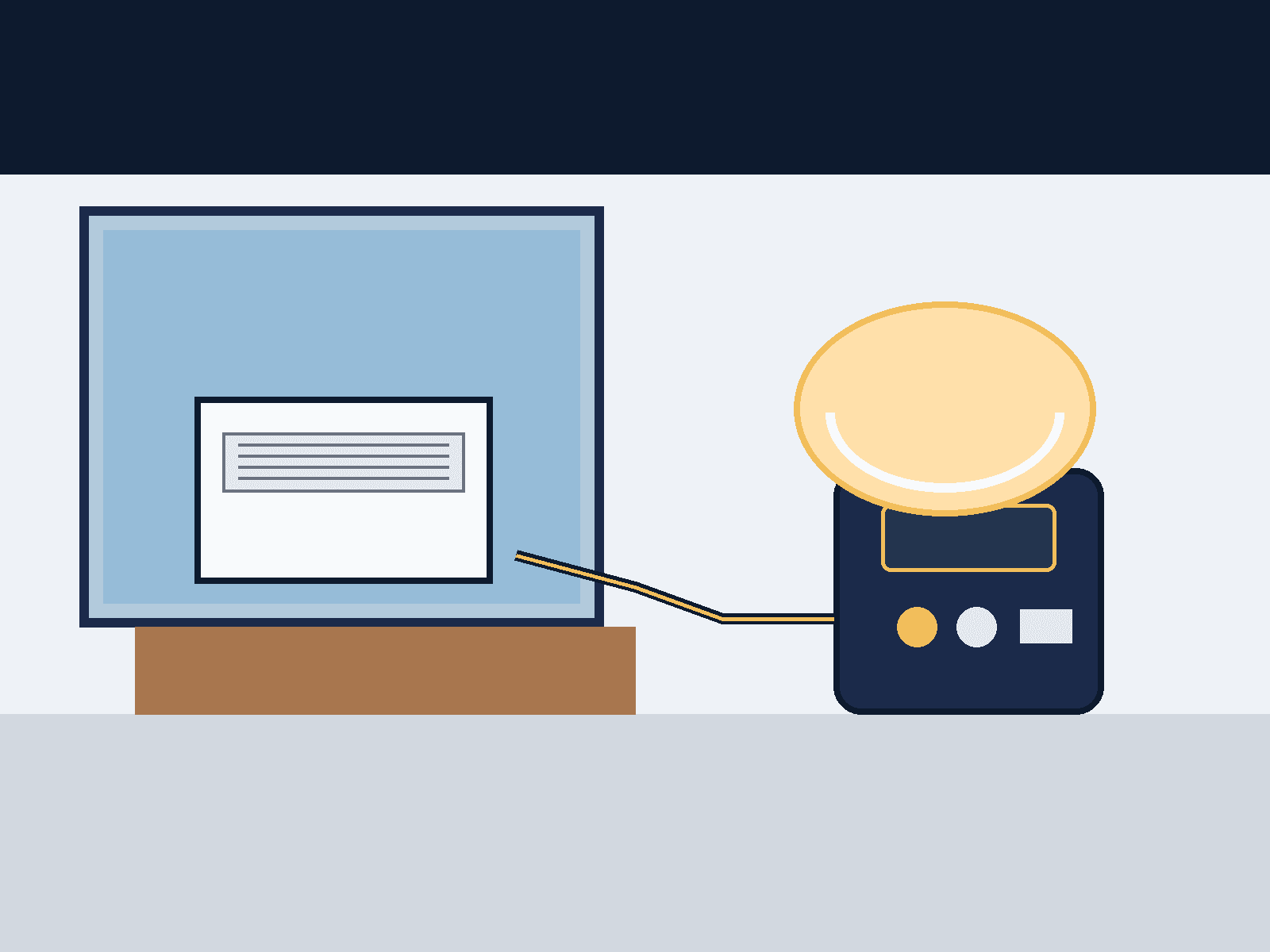
Window Air Conditioner Backup
Check window-AC voltage, compressor startup, running watts, battery capacity, and realistic one-room cooling time before selecting a power station.
Guide coming soon
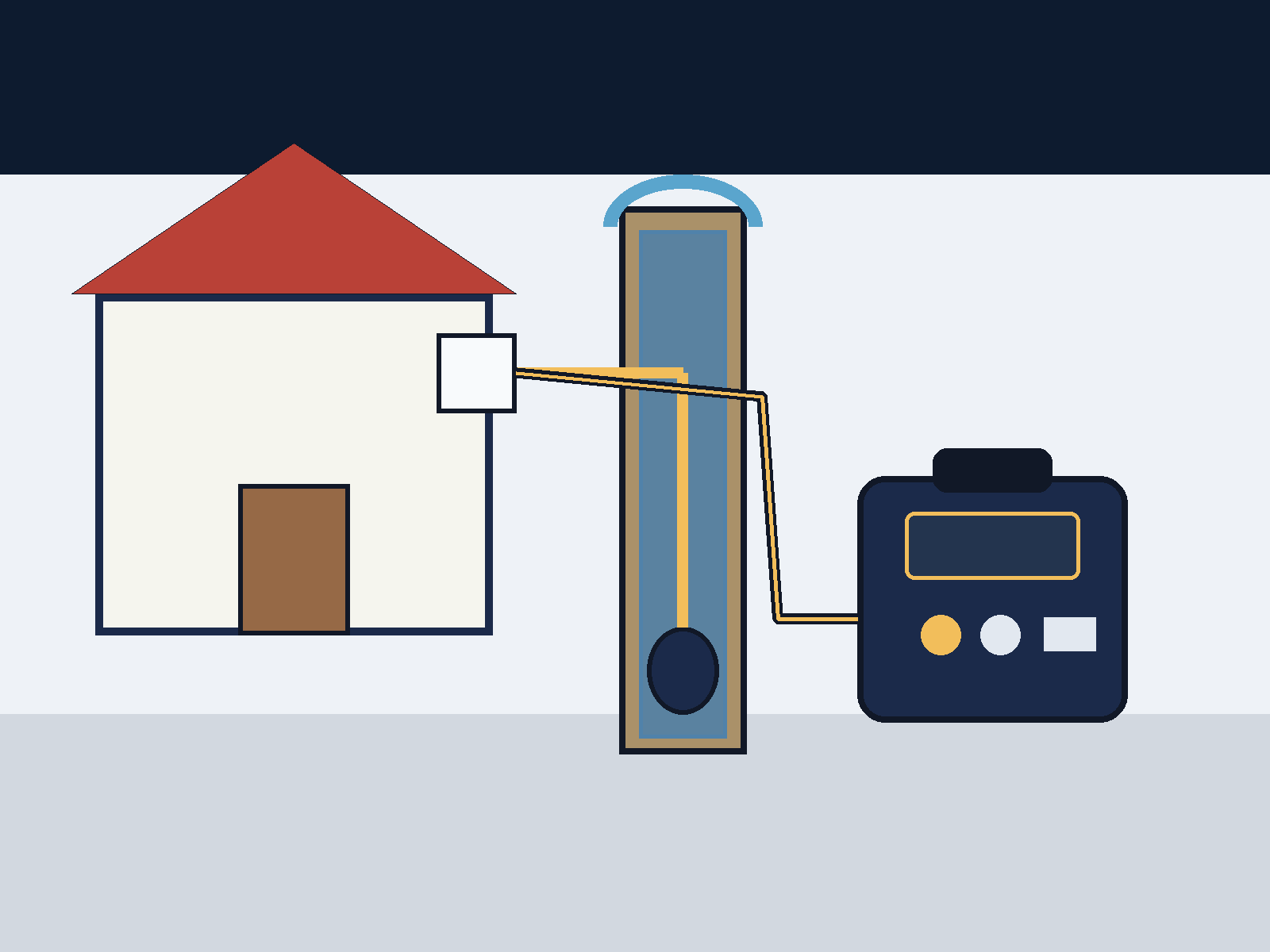
Well Pump Backup
Learn how pump voltage, motor startup, pressure-tank cycling, and safe transfer equipment affect a well-pump backup plan.
Guide coming soon
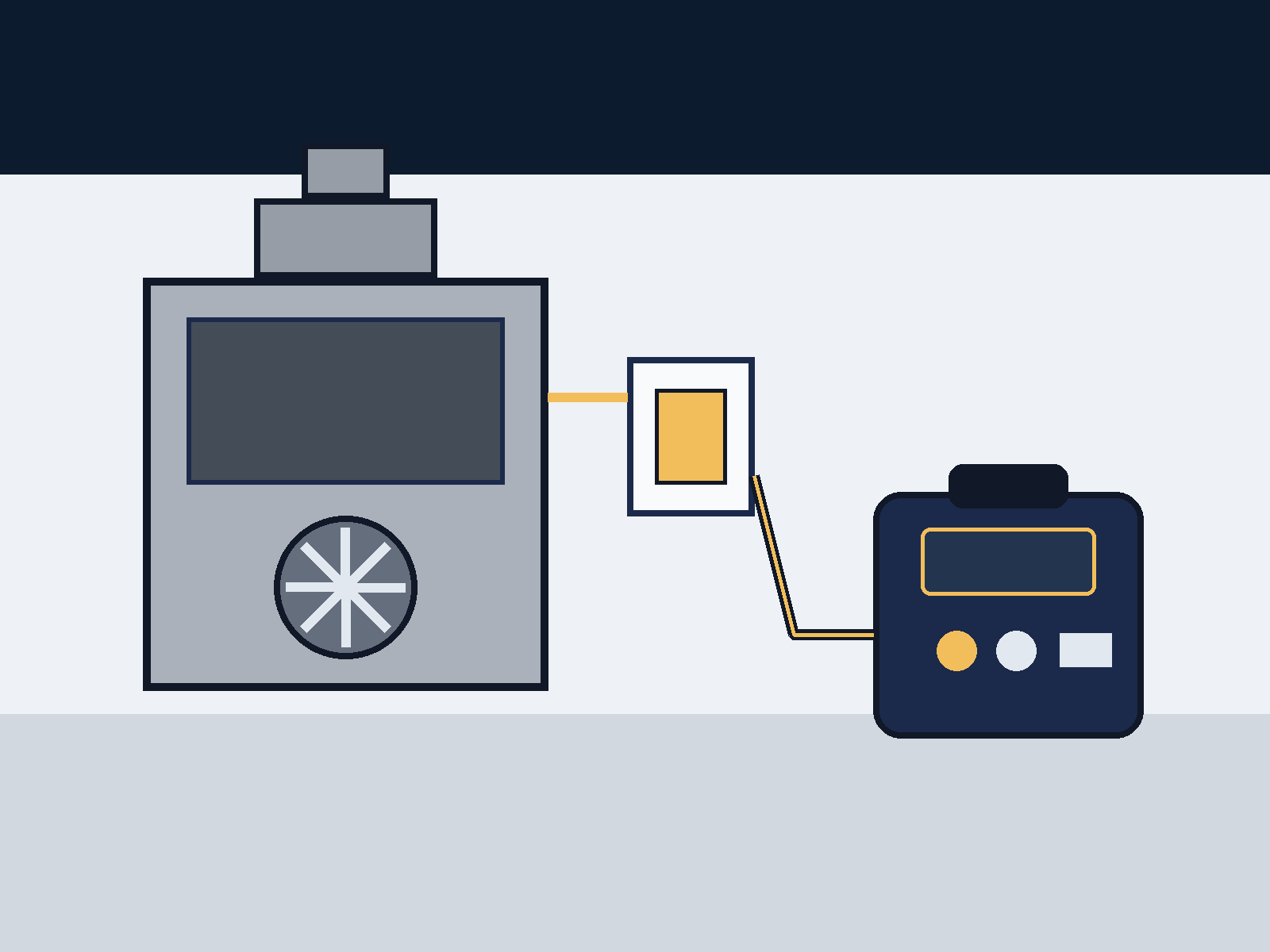
Gas Furnace Blower Backup
Size the complete furnace electrical sequence, not only the blower, and understand why most furnace backup connections require professional installation.
Guide coming soon
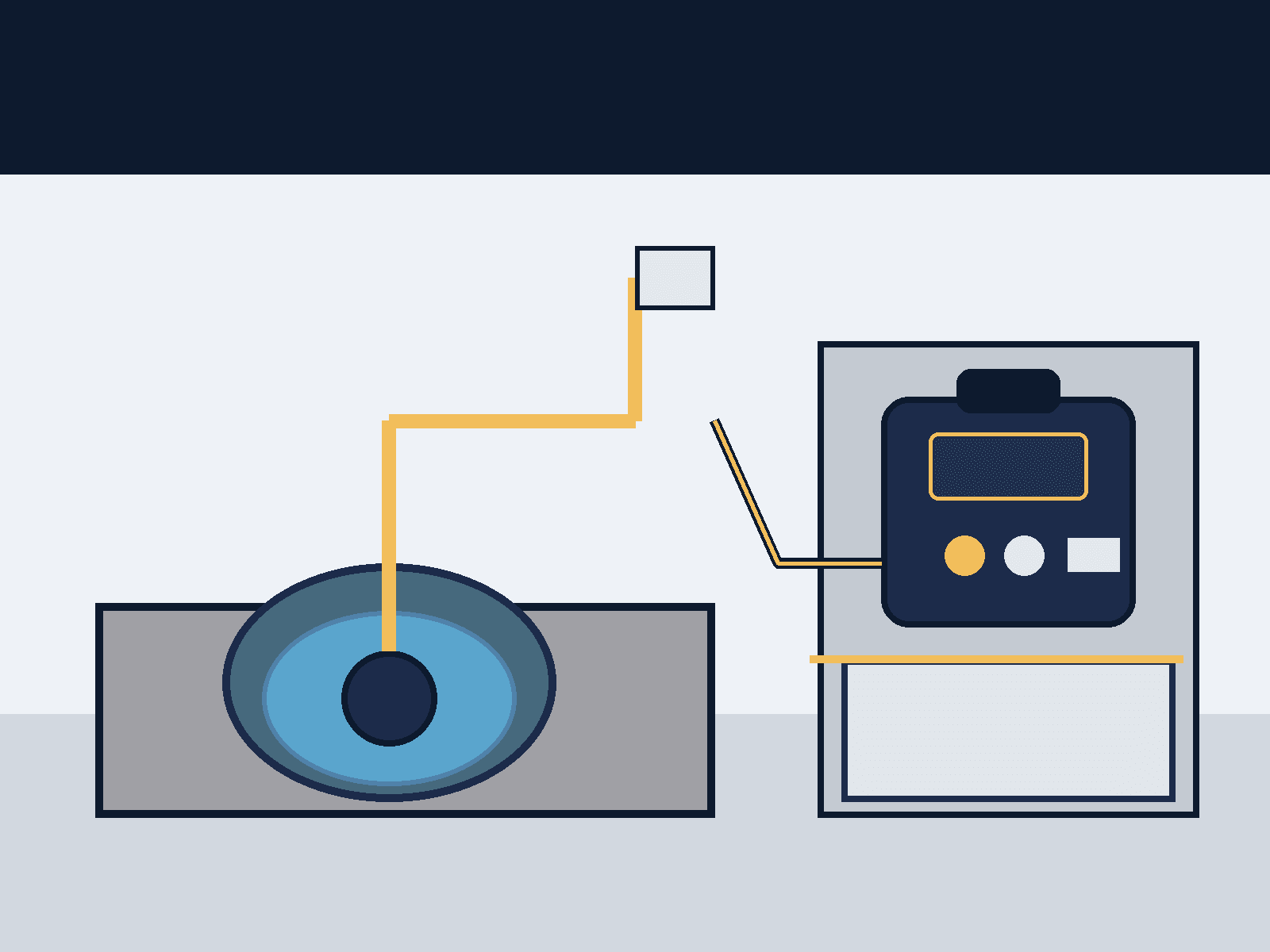
Sump Pump Backup
Check pump startup, storm-driven cycling, dry battery placement, and redundancy before relying on a portable station for water protection.
Guide coming soon
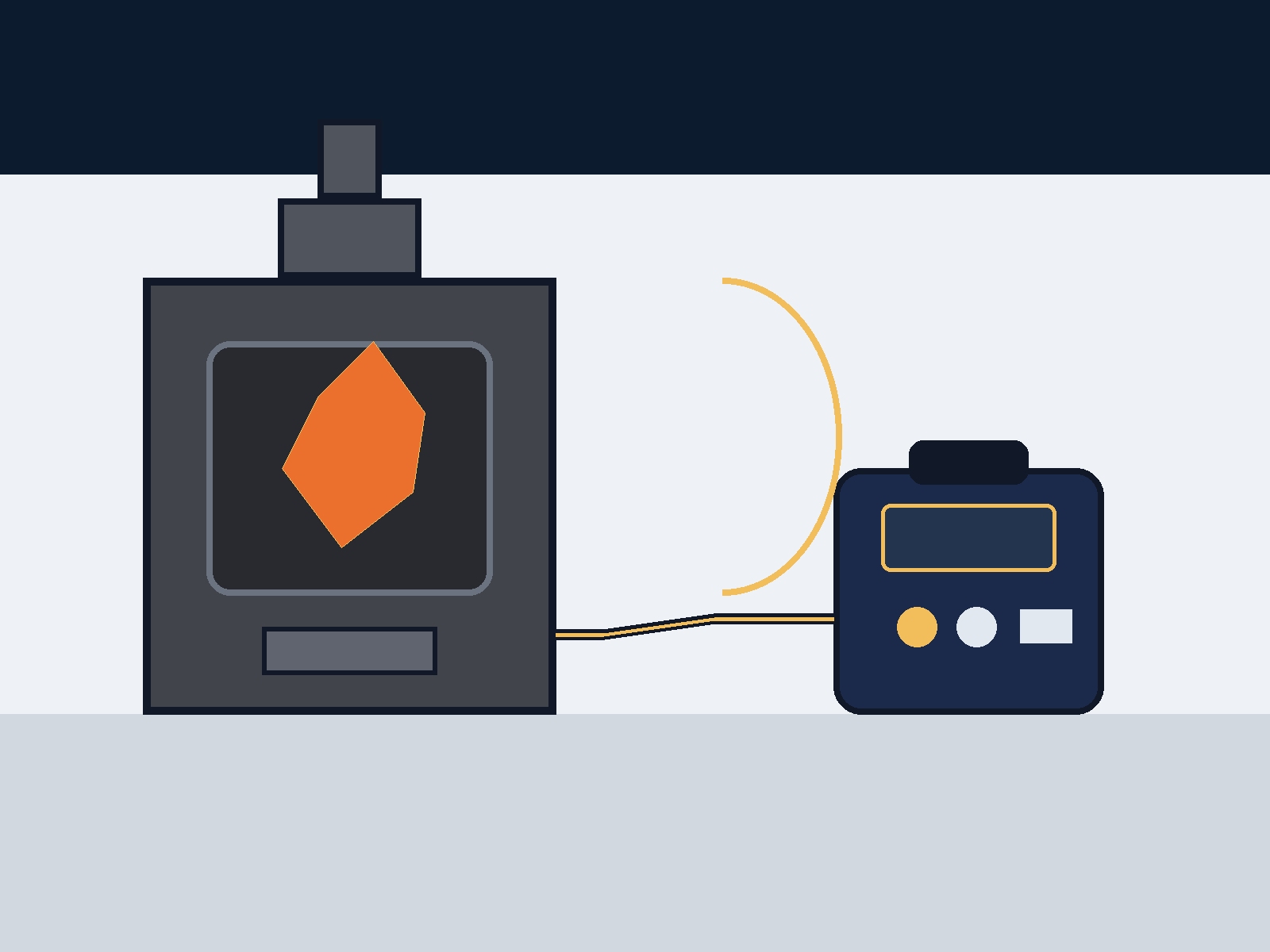
Pellet Stove Runtime
Estimate runtime from ignition, auger and blower operation, cold-weather losses, and the energy needed for a controlled stove shutdown.
Guide coming soon
Battery Care and Maintenance
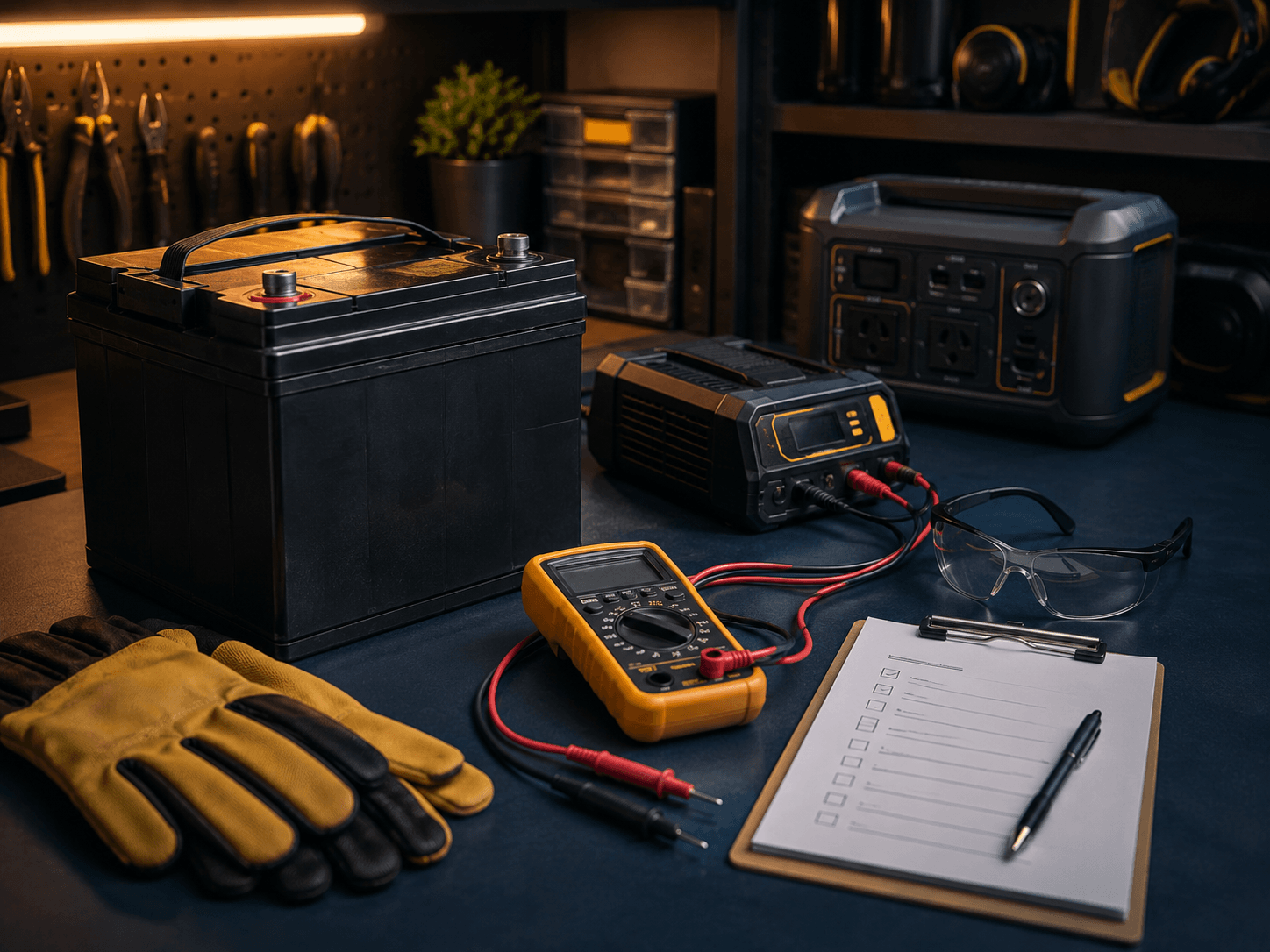
Battery Reconditioning for Backup Power
Learn when battery reconditioning may make sense, when it is unsafe, and why it should not replace a properly sized portable power station for dependable outage backup.
How to Use These Resources
Begin with the sizing guide whenever you need to calculate watts, watt-hours, startup margin, reserve, or recharge. Move to the appliance-specific guide for the exact load, connection method, and operating pattern. After the planning question is answered, continue to the relevant Buying Guide, Comparison, Product, or Review to evaluate suitable equipment.
These resources provide research-led planning guidance, not guaranteed runtime or permission to improvise electrical connections. Check appliance labels and manuals, use qualified professional help for hardwired equipment, and keep a fallback plan for safety-critical or property-protection loads.
Commercial Next Steps
Use the commercial sections only after you understand the load and backup plan. Buying Guides organize products by use case, Comparisons resolve two-product decisions, Products hold verified central specifications, and Reviews provide deeper buyer-fit analysis.