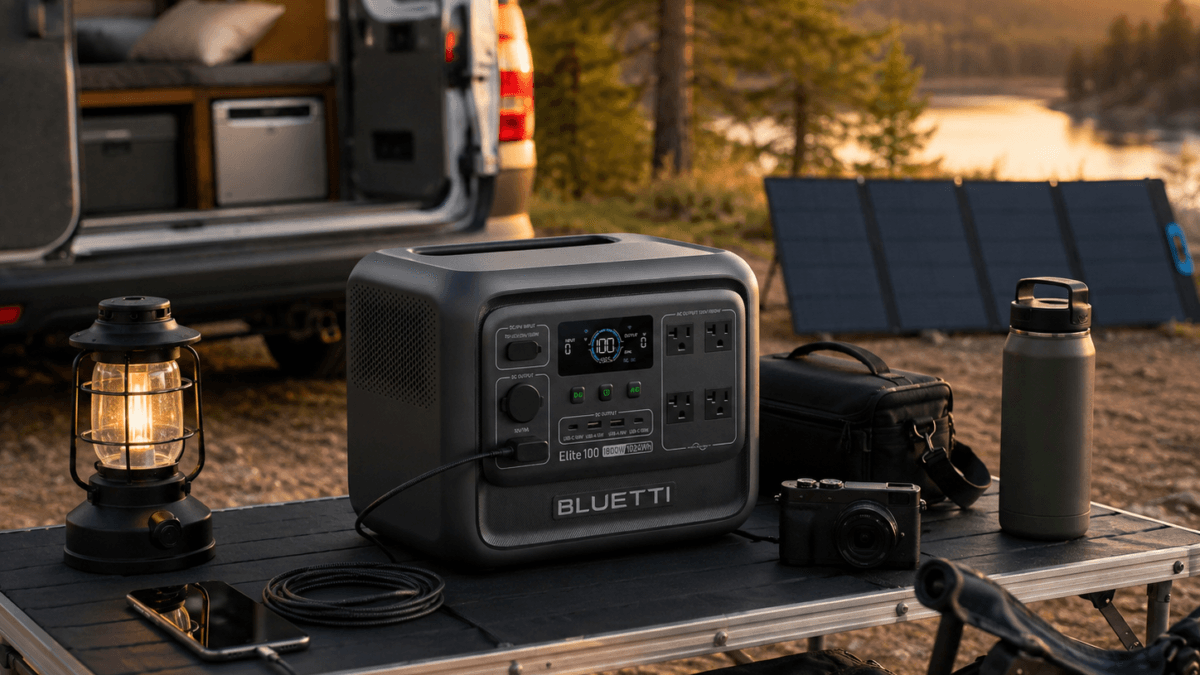
Find the best portable power station for home backup without guessing. Compare battery size, output, runtime, portability, and real backup use cases before you buy.
We focus on published specs, practical trade-offs, and clear buying logic instead of fake testing claims, paid rankings, or hype.
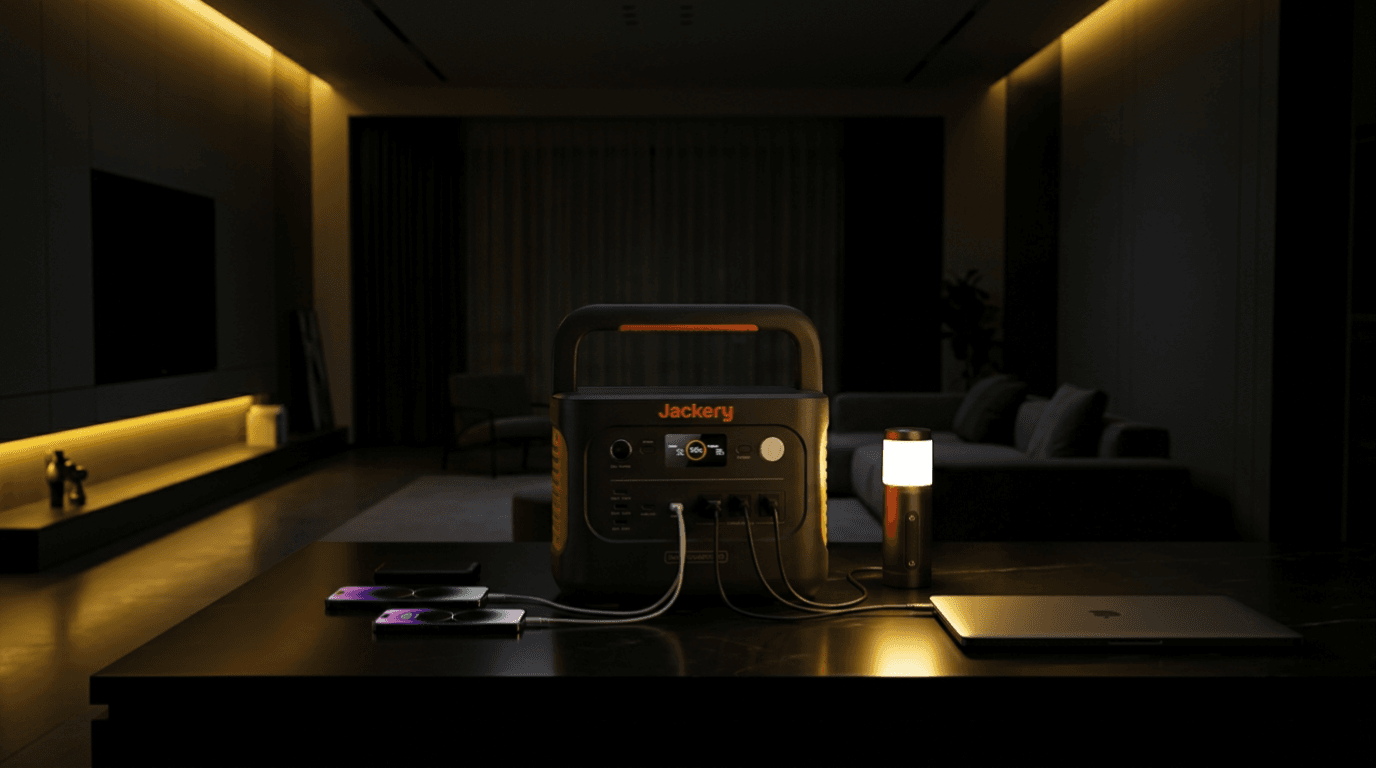
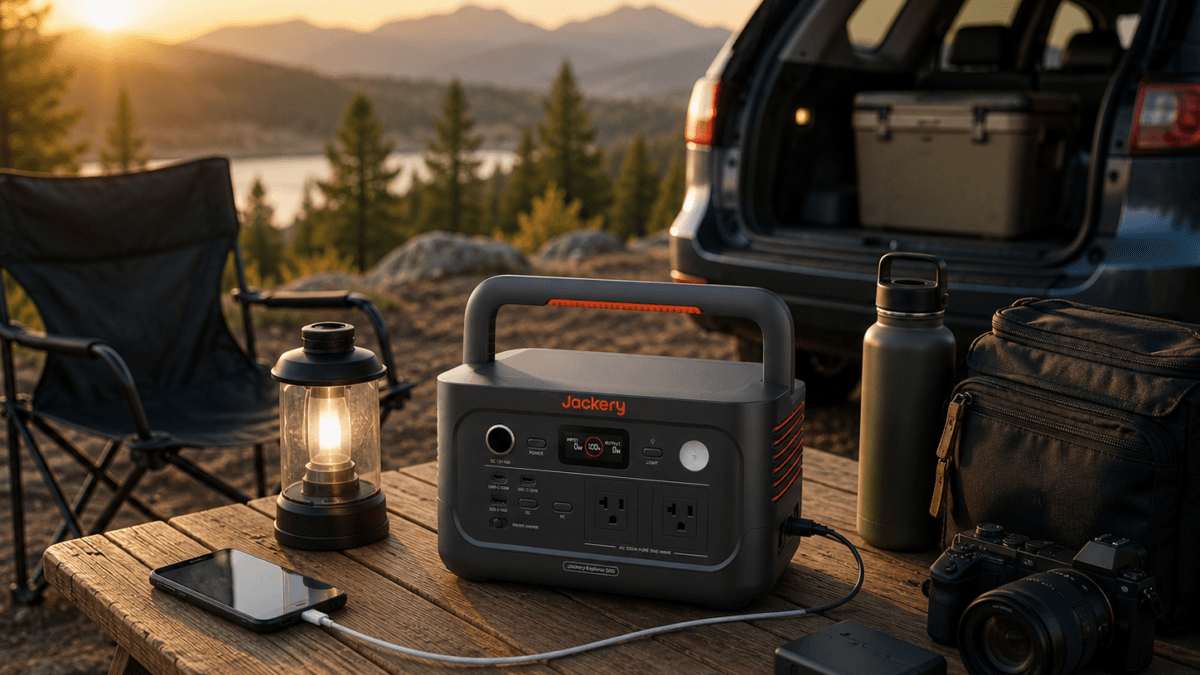
Jackery Explorer 1000 v2 is a 1070Wh LiFePO4 portable power station with 1500W AC output, 3000W surge capacity, app control, and up to 400W solar input. It fits camping, road trips, apartment backup, and light home emergency use.
Camping
road trips
apartment backup
light home backup
Capacity1070 Wh
AC Output1500 W
Solar Input200 W
Disclosure: As an Amazon Associate I earn from qualifying purchases. PowerLabPro may earn commissions from qualifying purchases through Amazon links. This does not affect our editorial recommendations.
We use manufacturer-listed specs and flag the numbers buyers actually compare.
II
Scenario-first
Recommendations are framed around outages, apartments, RV power, and off-grid use.
III
No fake lab claims
We do not present manufacturer data as original test data.
IV
Editorial picks
Selections are based on buyer fit, value, specs, and practical tradeoffs.
EDITOR'S SHORTLIST
Best portable power stations for home backup to shortlist first.
Featured picks are selected from the current product database for buyers comparing capacity, AC output, solar input, battery chemistry, and practical outage fit.
Jackery Explorer 1000 v2 is a 1070Wh LiFePO4 portable power station with 1500W AC output, 3000W surge capacity, app control, and up to 400W solar input. It fits camping, road trips, apartment backup, and light home emergency use.
Camping
road trips
apartment backup
light home backup
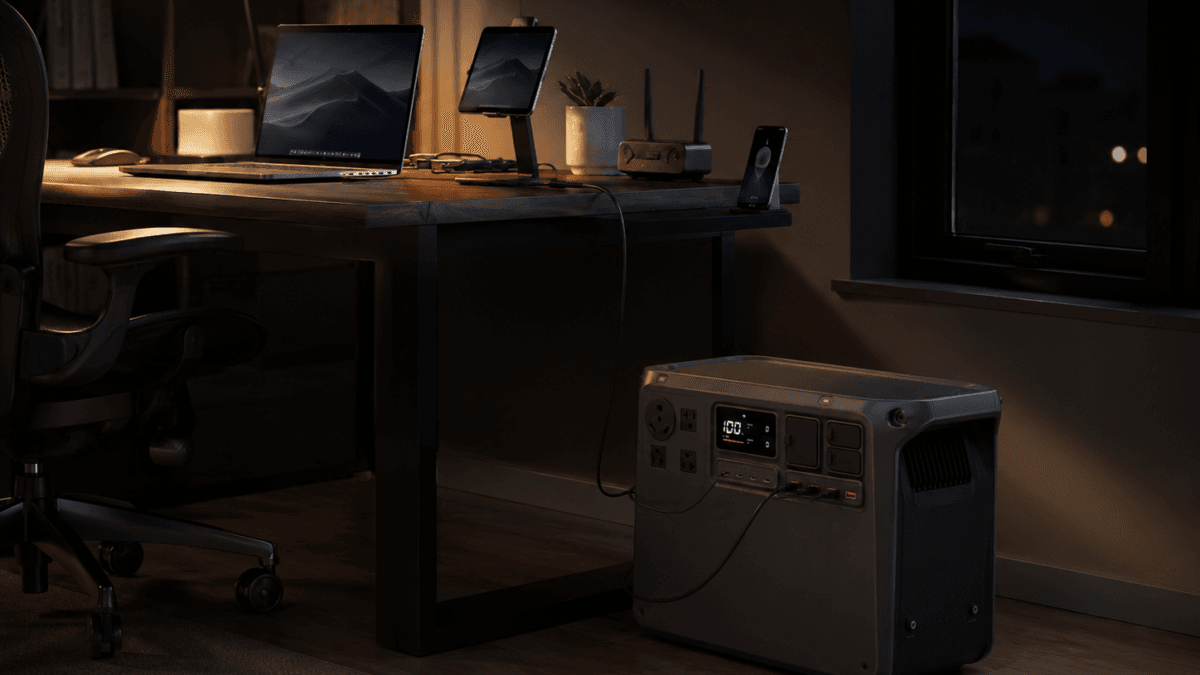
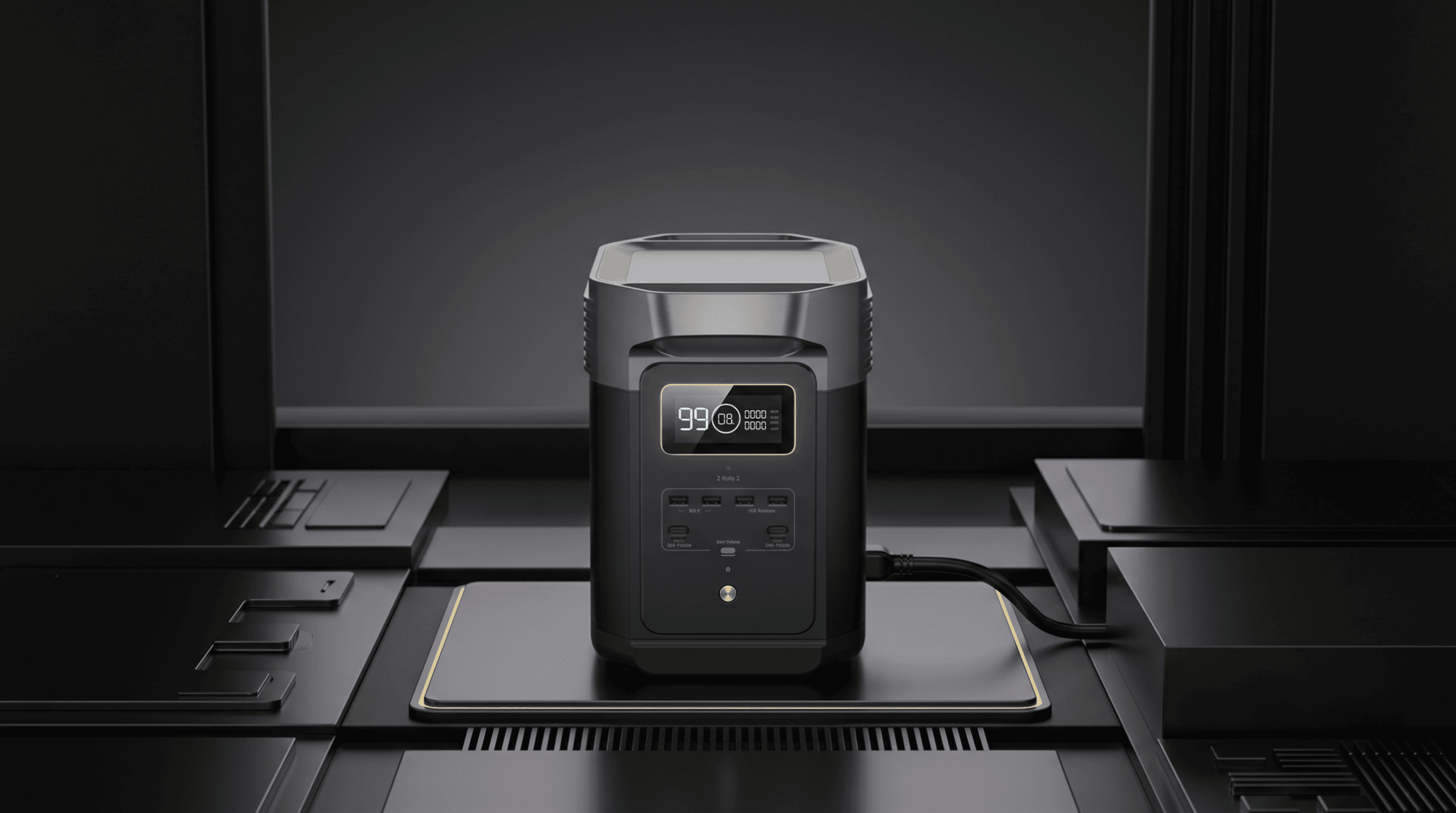
The EcoFlow DELTA 2 is a 1024Wh portable power station with a LiFePO4 battery, 1800W AC output, 500W max solar input, Wi-Fi and Bluetooth app control, and support for one extra battery to expand capacity. It is a strong fit for home backup, camping, RV use, and emergency power.
Home backup
camping
RV use
emergency preparedness
and off-grid charging with solar support
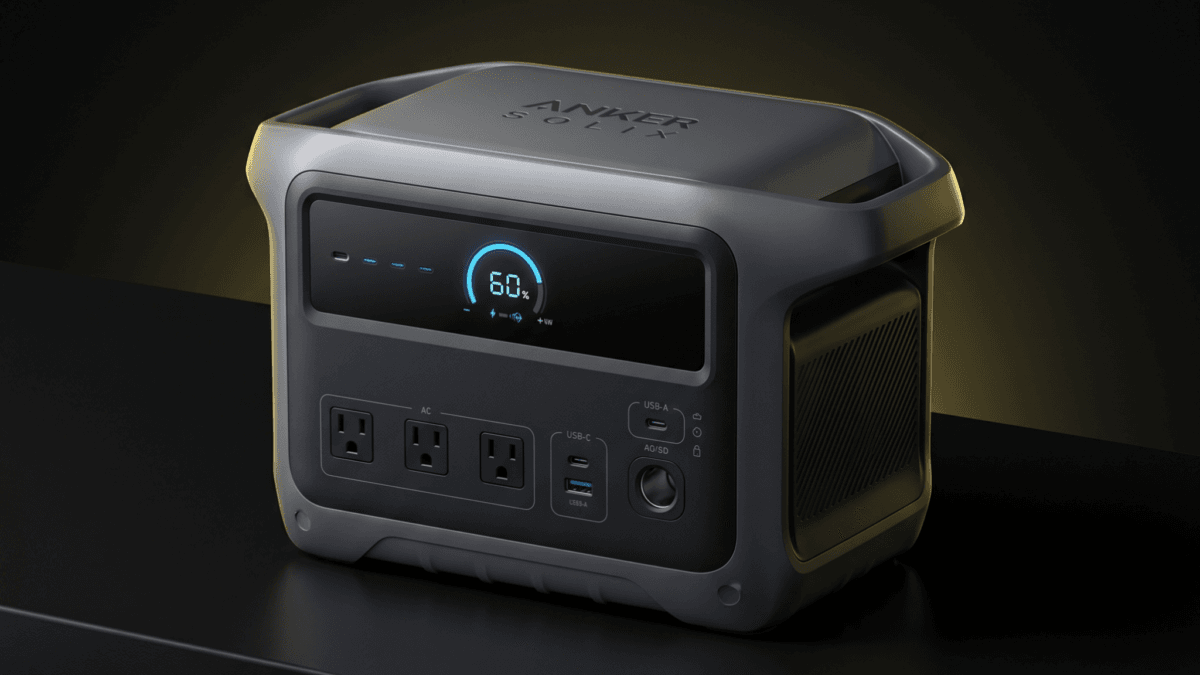
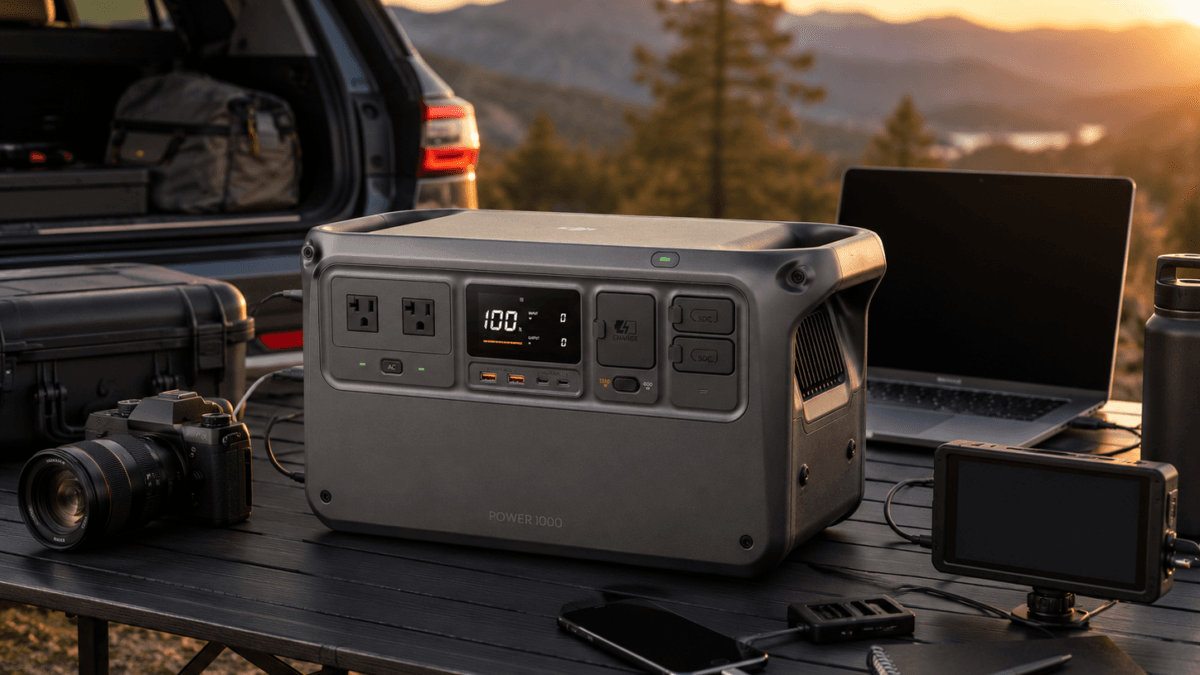
Compact 1,024Wh portable power station with 2,000W output, 3,000W peak, 49-minute fast AC recharge, 600W solar input, and 10 ms UPS support for home backup, camping, and RV use.
Fast-charging backup for essential home loads
CPAP
laptops
routers
camping
and light RV use
Do not shop by watt-hours alone.Shop by the outage.
Match the power station to the appliances you actually need to keep running. Pick a scenario, then use the sizing guide and buying guides to narrow the right capacity and output range.
SCENARIO - APARTMENT OUTAGE
Keep the essentials running without buying more battery than you can move.
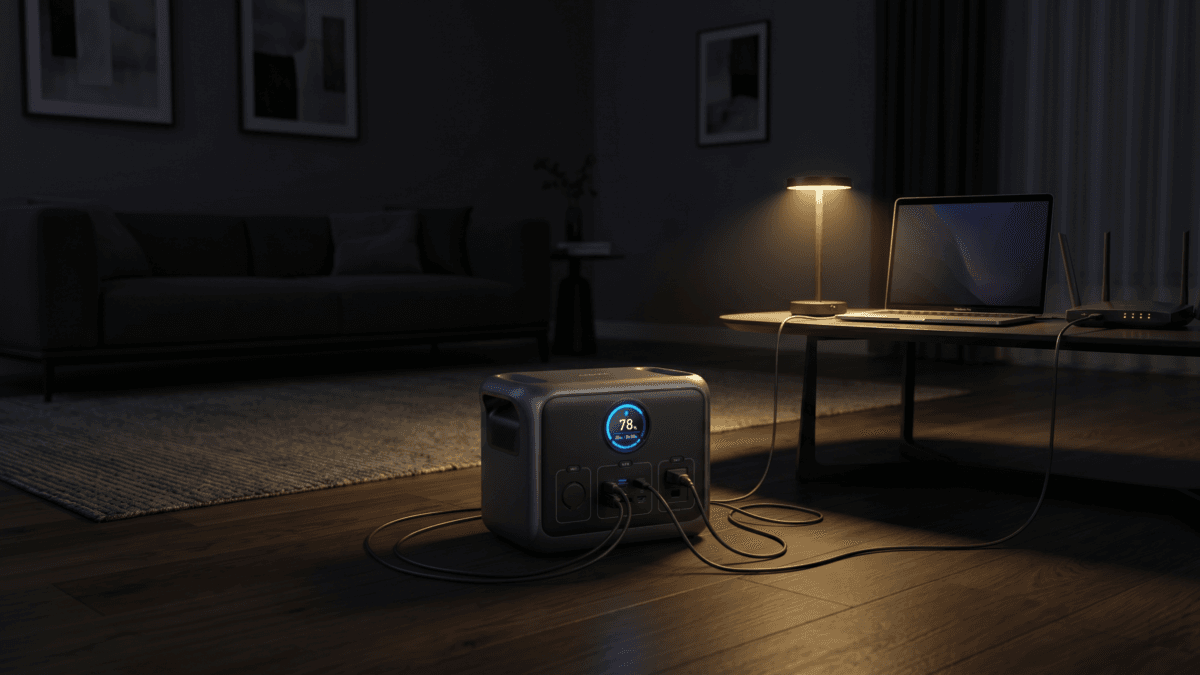
Apartment buyers usually need quiet indoor backup for internet, phones, lights, fans, a CPAP, or short refrigerator support. Start by estimating watt-hours and checking that AC output can handle the largest appliance you plan to run.
The best portable power stations for home backup make a real difference when the grid goes down — and the wrong choice makes everything worse. The wrong unit leaves you rationing outlets…
Start with sizing, then move into the main roundup when you know your target range.
Use the sizing guide first when you need help estimating the right battery and output tier.
See which models fit home backup, camping, RV, and emergency use faster.
3 featured products currently support this guide.
Research-first guidance
Recommendations are based on published specifications, buyer use cases, and practical trade-offs.
Spec-based comparisons
We compare capacity, output, battery chemistry, solar input, weight, and backup-use fit.
Buyer-focused reviews
Reviews explain who each power station fits, who should skip it, and what to verify before buying.
Regular editorial updates
Guides and comparisons are refreshed when products, specs, or availability change.
Clear trade-offs
Weaknesses and buyer-fit limits are called out before a recommendation.
WHY TRUST POWERLABPRO
Independent advice built for buyers comparing real tradeoffs, not marketing claims.
Recommendations are editorially selected, not paid rankings. No brand can buy a better position in our roundups.
Editorial Method
Recommendations are editorially selected, not paid rankings. We look at manufacturer-listed specs, capacity in watt-hours, continuous AC output, listed surge capability, battery chemistry, solar input, portability, expansion options, and buyer use-case fit.
Price and value matter, but they are not the only ranking factor. The goal is to point buyers toward the right class of product before they spend time comparing individual models.
Editorial independence: Product rankings are based on buyer fit, not brand preference or commission size.
Verified specification focus: Capacity, output, recharge, and expandability claims should be checked against manufacturer-listed data before publishing.
Clear trade-off analysis: Every recommendation explains the strength, weakness, best use case, and buyer limitation.
Home Backup Buying Guide
How to choose the best portable power station for home backup
Finding the best portable power station for home backup is less about buying the biggest battery and more about matching the right capacity, inverter output, recharge speed, and portability to the outages you actually expect. Some homes only need enough backup for internet, lights, phones, a CPAP, or a television. Others need a larger unit for refrigerator backup, freezer support, or longer outages without running into surge limits or short runtimes.
PowerLabPro helps buyers compare capacity, output, battery chemistry, solar input, recharge options, and real use-case fit based on manufacturer-listed specs and structured product data. Use Reviews when you want a closer look at one model, Comparisons when you are deciding between similar units, and Buying Guides when you want a faster shortlist by budget, capacity, or backup scenario.
If you are still unsure how much power you need, start with the sizing guide before you buy. A practical backup plan should account for apartment outages, whole-home essentials, RV and camping power, off-grid solar charging, and emergency power planning before narrowing the final model list.
Best solar generators for emergency power
For emergency power, compare battery capacity, inverter output, solar input, and recharge options before treating any portable battery as a whole-home solution.
A portable power station is the battery and inverter. A solar generator usually means that battery paired with compatible solar panels for slower off-grid recharging.
Apartment backup, refrigerator backup, CPAP backup, RV trips, camping power, and off-grid work all need different capacity, output, portability, and recharge tradeoffs.
Match the power station to the outage, not the other way around.
Portable power stations solve different problems depending on what you need to keep running. Start with the situation, then check capacity, AC output, surge output, solar input, and weight.
01
Home backup
Look beyond battery size; continuous AC output and listed surge capacity decide what can run together.
02
Apartment outages
Choose quiet, indoor-safe emergency power for routers, phones, laptops, lights, and fans without buying more weight than you can move.
03
Refrigerator backup
Check running output, compressor startup surge, and watt-hours. Runtime changes with temperature, door openings, and battery size.
04
CPAP backup
Size around the exact machine, humidifier use, heated tubing, and the number of nights you need covered.
05
RV power and camping
Portability, outlet mix, recharge options, and solar input can matter as much as raw capacity.
06
Off-grid and solar charging
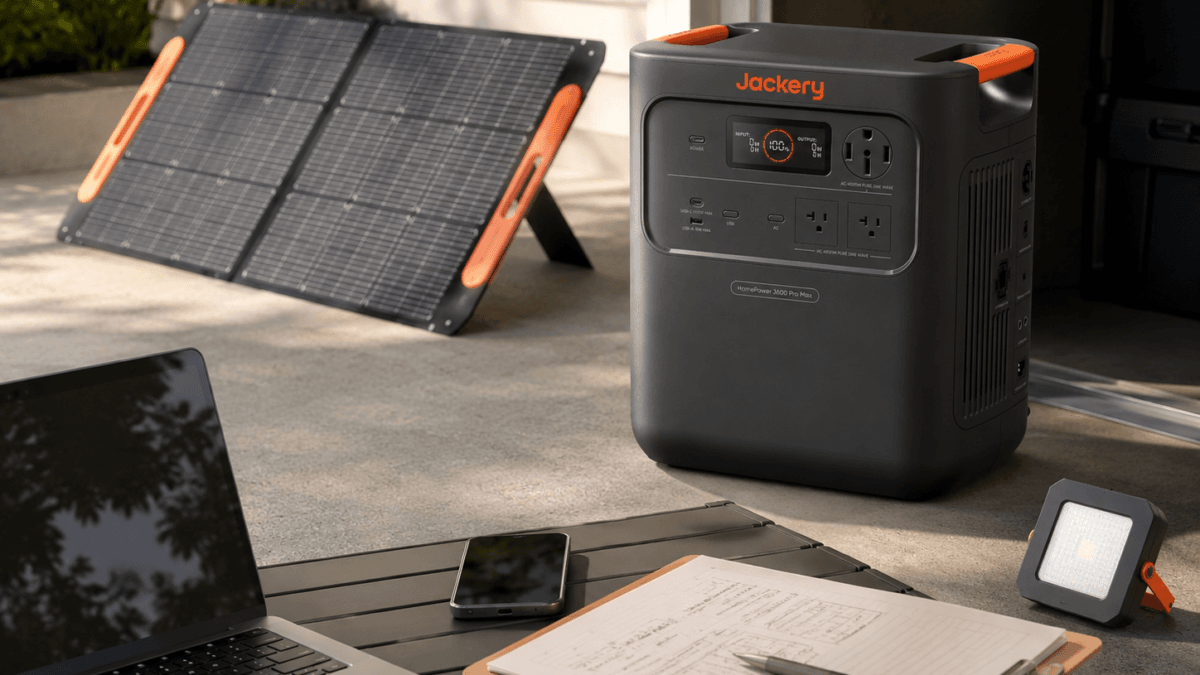
A solar generator for home backup or cabin use should match your panel plan and the loads you expect after sunset.
LATEST FROM THE LAB
Featured reviews, comparisons, and buying guides for home-backup shoppers.
Use the latest published pages to move from broad sizing questions into specific products, model matchups, and buying scenarios.
Jackery 5000 Plus vs Anker F3800 Plus is a serious home-backup comparison, not a small camping-power decision. Both power stations are built for buyers…
Use these as starting points, then check the sizing guide and individual reviews for the product class that fits your outage plan.
What is the best portable power station for home backup?
The right choice depends on what you need to run. For light outages, a compact unit may cover phones, internet, and lights. For a refrigerator or longer outage, compare larger batteries with stronger AC output and listed surge capacity.
What size portable power station do I need for a refrigerator?
Start with the refrigerator wattage and startup surge, then compare that load against the power station's continuous AC output, surge output, and watt-hours. Runtime is not fixed; it changes with compressor cycling, temperature, and battery size.
Can a portable power station run a CPAP during an outage?
Often, yes, but size it around your exact CPAP setup. Humidifiers and heated tubing can raise power use. Check your device wattage and use the portable power station sizing guide before choosing a battery tier.
Is a solar generator better than a gas generator for home backup?
A solar generator is quiet and can be used indoors because it is battery-based. A gas generator can support heavier loads, but it must be run outside and needs fuel. Many buyers compare them by noise, safety, runtime, recharge options, and the appliances they need to cover.
What is the difference between a solar generator and a portable power station?
A portable power station is the battery system with outlets and an inverter. A solar generator usually describes a portable power station paired with solar panels, so compare the battery first and then check compatible panel wattage and solar input limits.
How many watt-hours do I need for emergency power?
Add up the devices you need, estimate their wattage, and decide how many hours you want covered. Watt-hours show battery capacity, but real runtime also depends on inverter loss, device settings, and how often appliances cycle on and off.
Are portable power stations safe for apartments?
Battery power stations are usually much more apartment-friendly than fuel generators because they do not burn gas while operating. Follow the manufacturer's instructions, keep ventilation clear, avoid overloading outlets, and do not charge or store damaged batteries indoors.
What should RV, camping, and off-grid buyers compare first?
Start with the devices you actually need away from the grid, then compare watt-hours, AC output, DC ports, solar input, weight, battery chemistry, and charging options. A practical camping unit is not always the same as a refrigerator-backup unit.
Start Here
Not sure which backup size you need?
Start with the sizing guide, then compare portable power stations by capacity, output, portability, solar input, and budget.