
Buying Guide
Best Portable Power Station for Air Conditioner: 4 Picks by Runtime
Compare four verified portable power stations for a measured 120V room air conditioner, with startup checks, runtime planning, solar limits, and safer outage guidance.
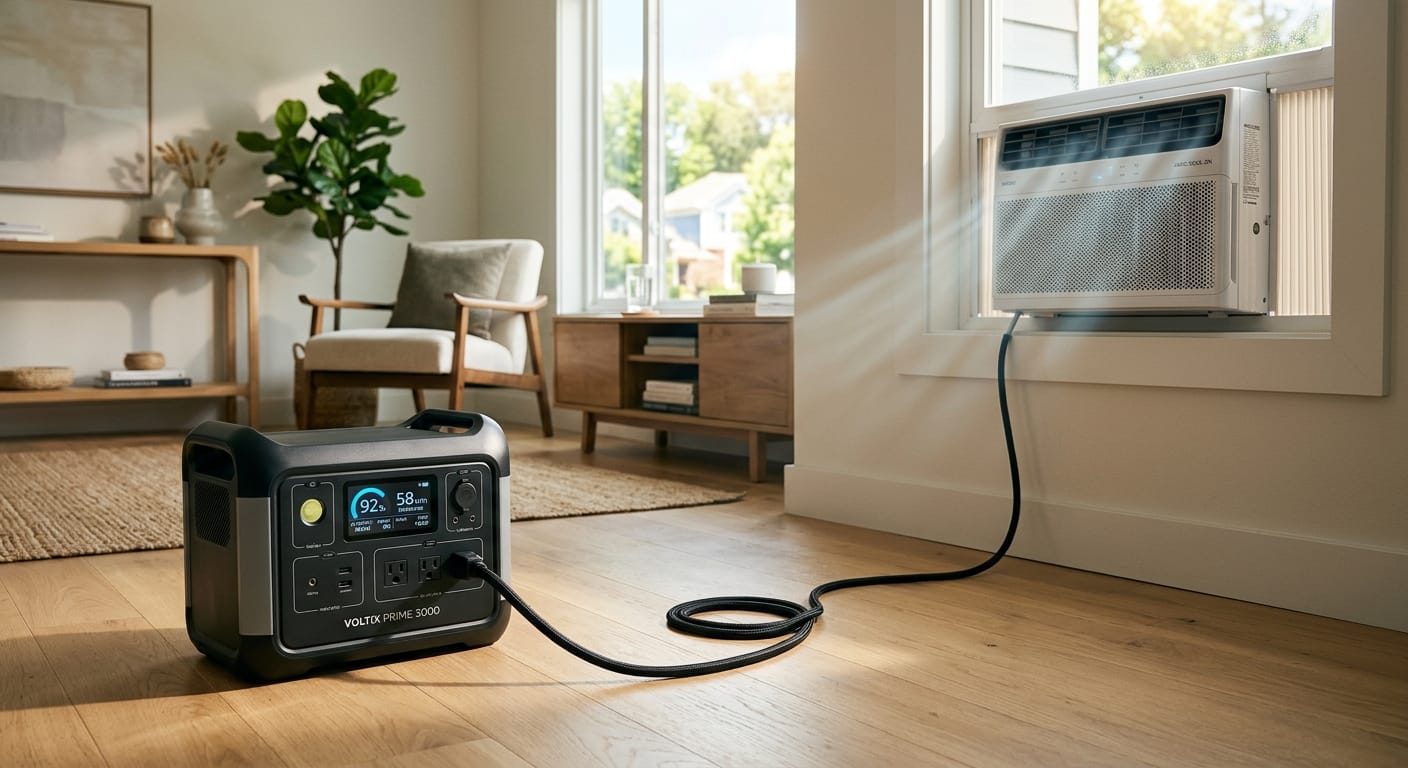
Product Shortlist
Featured products
Product
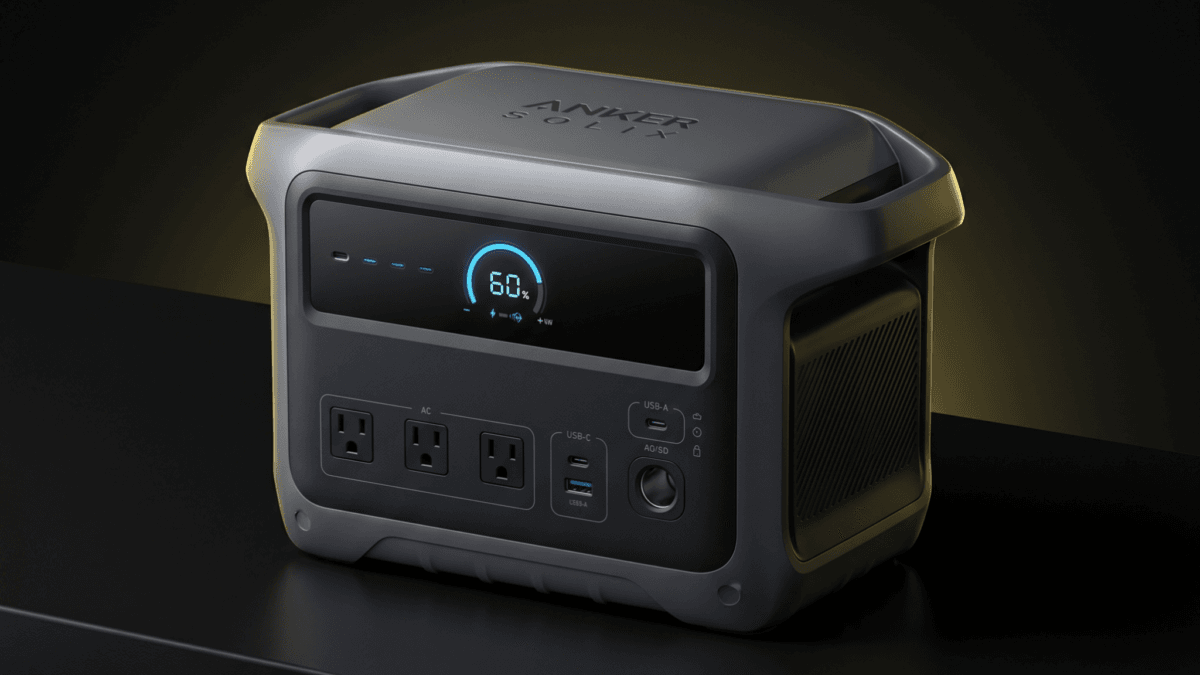
Anker SOLIX C1000 Gen 2 Portable Power Station
Compact 1,024Wh portable power station with 2,000W output, 3,000W peak, 49-minute fast AC recharge, 600W solar input, and 10 ms UPS support for home backup, camping, and RV use.
Product
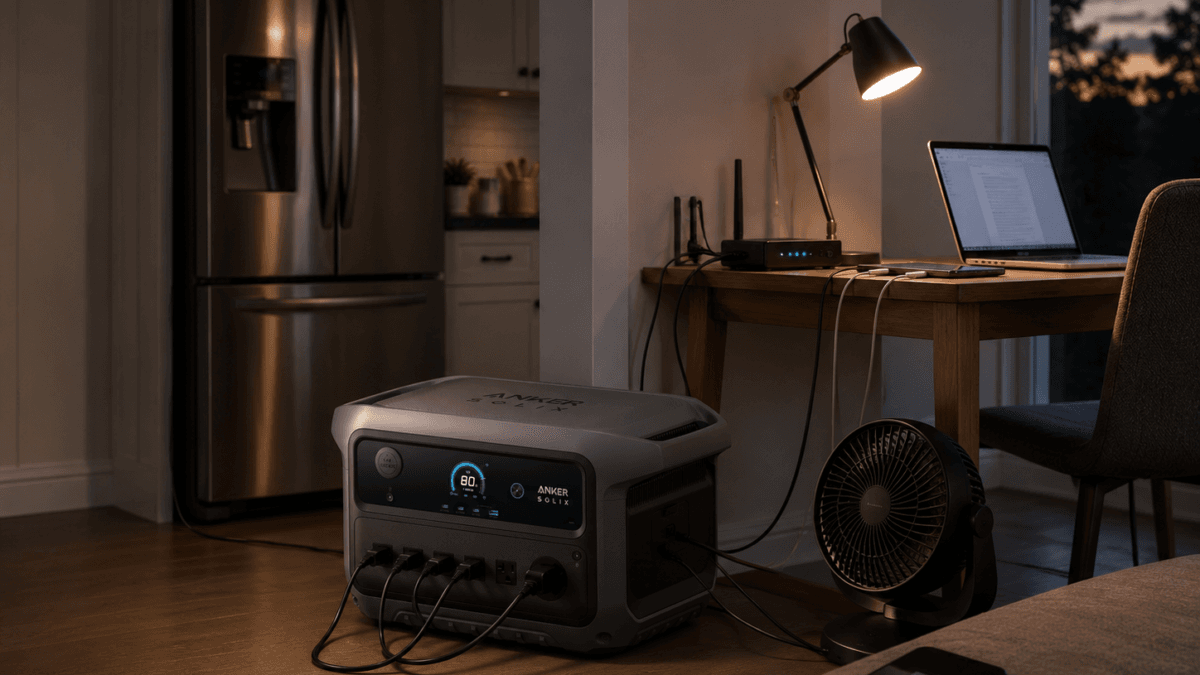
Anker SOLIX C2000 Gen 2 Portable Power Station
A 2,048Wh LiFePO4 portable power station for selected home essentials, refrigerator planning, RV shore-power support, camping, and mobile work. Its main strength is 2,400W output in a comparatively compact 41.7 lb body; its main limit is the need to sequence heavy loads and plan recovery.
Product
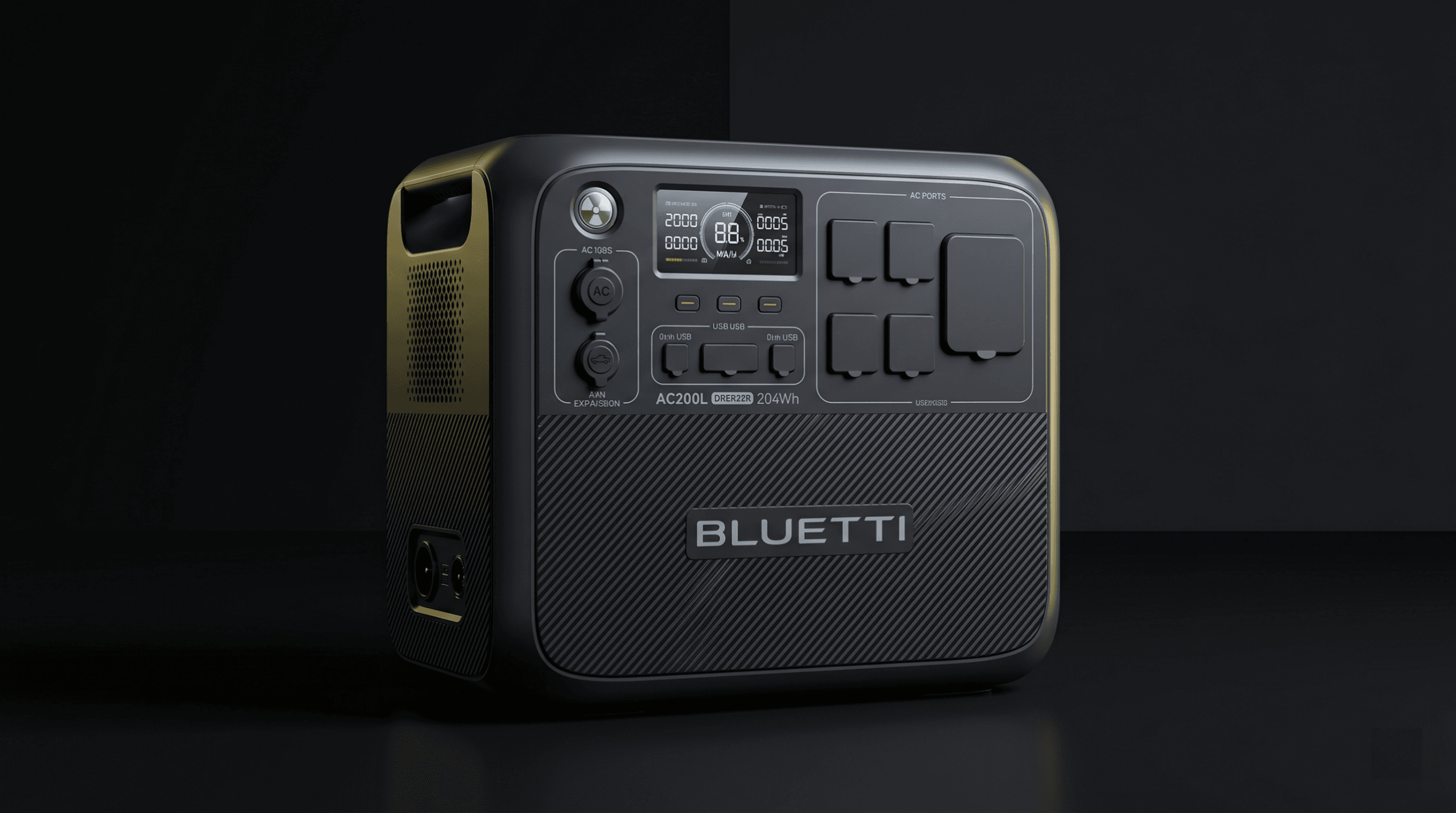
BLUETTI AC200L Portable Power Station
Expandable 2,048Wh LiFePO4 power station with 2,400W AC output, fast AC charging, strong solar input, app control, and serious backup power for RV and home use.
Product
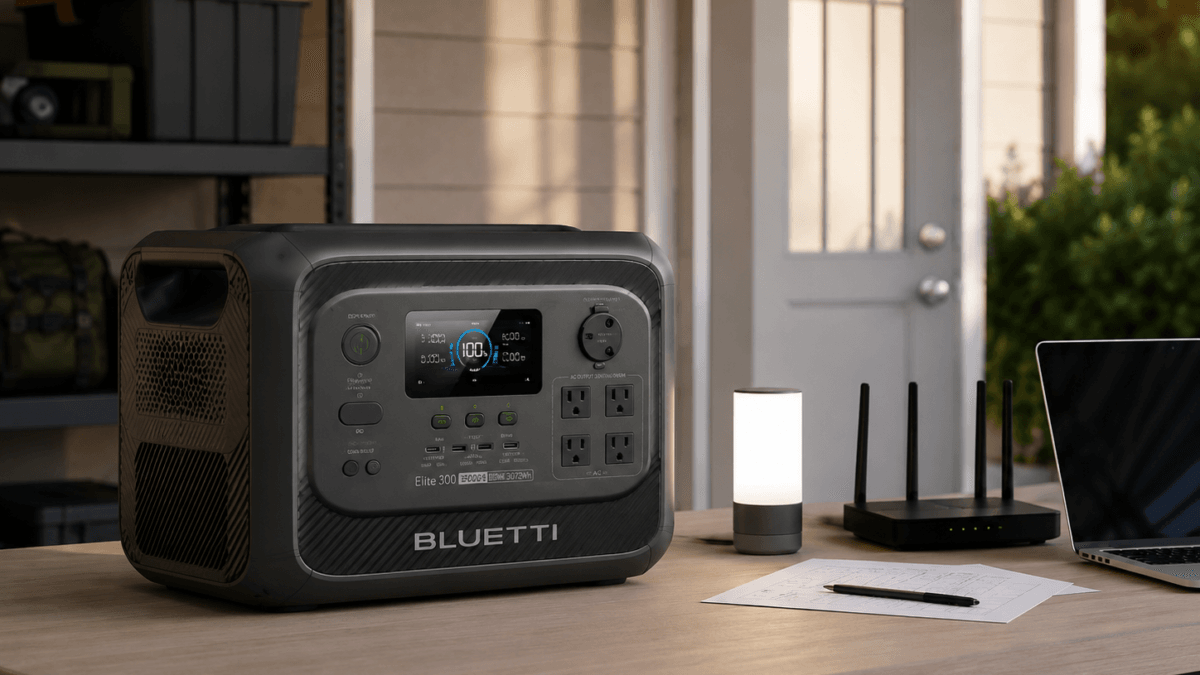
BLUETTI Elite 300 Portable Power Station
A fixed-capacity 3kWh-class power station for a planned RV, camping, or selected home-essential load plan. Its main strengths are 3,014.4Wh capacity, 2,400W continuous output, TT-30 and 12V/30A RV connectivity, and Bluetooth/Wi-Fi control. The trade-off is a one-box design with no expansion-battery path listed on the current official product page.
This article may contain affiliate links. If you buy through these links, PowerLabPro may earn a commission at no extra cost to you. As an Amazon Associate I earn from qualifying purchases.
The best portable power station for air conditioner is not the unit with the largest inverter number. It is the smallest verified system that can start your exact air conditioner, sustain its measured running load, and provide the cooling time you need after conversion losses and a reserve are included.
This Buying Guide covers cord-connected 120V room air conditioners, including many window and portable units. It does not cover central air conditioning, hardwired mini-splits, heat pumps, or improvised connections to household wiring. A 230V or 240V air conditioner requires a power source that actually provides the required voltage and configuration.
The recommendations are research-led. PowerLabPro reviewed current manufacturer documentation, verified central Product records, connected Reviews, and current retail identities. PowerLabPro has not performed hands-on or laboratory testing of these product-and-air-conditioner combinations. Your appliance label, manual, measured energy use, and repeated controlled test remain the deciding evidence.
A trustworthy best portable power station for air conditioner guide must state those evidence limits before it recommends a product.
Best portable power station for air conditioner: quick verdict
For most buyers seeking the best portable power station for air conditioner, the Anker SOLIX C2000 Gen 2 is the strongest starting point. Its 2,048Wh battery and 2,400W continuous output create a useful balance between appliance headroom, runtime, charging speed, and a manageable 41.7 lb body.
- Best overall balance: Anker SOLIX C2000 Gen 2 for a verified 120V room air conditioner when a 2kWh battery is enough.
- Best longer fixed reserve: BLUETTI Elite 300 for buyers who want roughly 3kWh in one unit and accept the extra weight.
- Best expandable route: BLUETTI AC200L for buyers who want a 2kWh base, strong solar input, and a supported capacity-growth path.
- Best compact option: Anker SOLIX C1000 Gen 2 only for a measured low-draw air conditioner and short cooling sessions.
- Look elsewhere: the appliance requires 230V or 240V, startup cannot be verified, the plan requires all-day cooling without recovery, or dependable climate control is medically necessary.
No product here is automatically the best portable power station for air conditioner for every BTU rating. BTU describes cooling capacity, not electrical demand. Two 8,000-BTU units can have different voltage, running watts, startup behavior, and hourly energy use.
Table of Contents
How we selected these air-conditioner backup picks
We selected each best portable power station for air conditioner candidate by buyer role rather than by brand popularity. The shortlist starts with verified 120V output, then considers continuous inverter rating, battery capacity, compressor-start margin, recovery options, physical handling, and whether the system can grow.
- Continuous output: The air conditioner and every simultaneous load must stay inside the station’s normal AC rating.
- Startup behavior: A conventional compressor may demand more power for a short period. A peak claim is not proof of compatibility.
- Usable energy: Nameplate watt-hours are reduced by inverter losses, station consumption, temperature, battery settings, and the reserve you keep.
- Recovery: Fast wall charging and realistic solar input matter when cooling must resume after a planned break.
- Portability: A heavier battery may provide more cooling time but become difficult to move safely during an outage.
- Product readiness: Every pick has a current PowerLabPro Product record, a connected Review, a verified ASIN, and a tagged Amazon destination.
The existing window air conditioner backup guide owns the informational question of whether the setup can work. This page owns the commercial selection question: which best portable power station for air conditioner candidate fits a measured load and runtime target.
A credible best portable power station for air conditioner comparison keeps output, capacity, startup behavior, and recharge separate.
Air-conditioner backup comparison
| Product | Distinct role | Capacity / continuous output | Main trade-off |
|---|---|---|---|
| Anker SOLIX C2000 Gen 2 | Best overall balance | 2,048Wh / 2,400W | A 2kWh battery may still be too small for long or overnight cooling. |
| BLUETTI Elite 300 | Best fixed 3kWh reserve | 3,014.4Wh / 2,400W | More energy, but fixed capacity and a heavier one-box design. |
| BLUETTI AC200L | Best expandable 2kWh route | 2,048Wh / 2,400W | 61.4 lb base unit; expansion adds cost, cables, weight, and storage. |
| Anker SOLIX C1000 Gen 2 | Best compact short-session option | 1,024Wh / 2,000W | Limited cooling duration and no expansion-battery path. |
The comparison does not assign guaranteed runtime. The best portable power station for air conditioner for one household may be the wrong choice for another because measured average watts and desired cooling hours change the energy target.
The best portable power station for air conditioner for a balanced 2kWh plan must offer both compressor headroom and enough stored energy for a useful cooling window.
1. Anker SOLIX C2000 Gen 2: best overall balance
The Anker SOLIX C2000 Gen 2 is the top pick because it provides enough inverter headroom for many verified 120V room-air-conditioner plans without moving immediately to a much heavier rolling platform. Anker lists 2,048Wh capacity, 2,400W continuous output, and 4,000W peak power.
For a buyer who has measured a moderate room unit, the C2000 Gen 2 can be the best portable power station for air conditioner because the battery is large enough to support meaningful scheduled cooling while the 2,400W inverter leaves room above many normal running loads. It is also listed at 41.7 lb, which is comparatively manageable for a 2kWh station.
Its main limitation is energy, not outlet count. A 600W average cooling load would consume about 1,800Wh in three hours before losses and reserve. That already approaches the limits of a nominal 2,048Wh battery. The buyer should plan cooling windows, reduce heat gain, and keep a reserve rather than expecting continuous all-day operation.
Best for: a measured 120V window or portable air conditioner, short-to-moderate cooling sessions, and buyers who value a lighter 2kWh-class unit.
Not ideal for: overnight high-duty-cycle cooling, 240V equipment, or several high-draw loads at once.
Main advantage: strong balance of 2,048Wh, 2,400W output, fast recovery, and 41.7 lb portability.
Main trade-off: capacity can still disappear quickly during sustained cooling.
Why it belongs: it offers the most balanced starting point in this verified shortlist.
Better alternative if: choose the Elite 300 when more fixed energy matters, or the AC200L when expansion matters.
Related Review: Anker SOLIX C2000 Gen 2 Review.
Official source: Anker SOLIX C2000 Gen 2 product information.
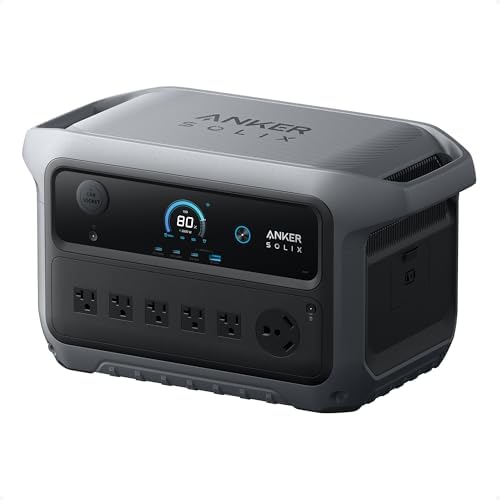
- Ultra-Efficient Power for Longer Runtime: Uses only 9W on standby, powering a dual-door fridge for up to 32 hours.
- Up to 4kWh Expandable Capacity: Add an expansion battery to reach 4kWh and run a dual-door fridge for up to 64 hours.
- Six Ways to Recharge, 100% in 58 Min: Experience lightning-fast recharging with AC and solar—fully charged in 58 minutes…
The best portable power station for air conditioner for longer fixed runtime should add energy without pretending that capacity changes the inverter ceiling.
2. BLUETTI Elite 300: best fixed 3kWh runtime reserve
The BLUETTI Elite 300 changes the decision by adding nearly 1,000Wh over the 2kWh picks while keeping the same 2,400W continuous-output class. BLUETTI lists 3,014.4Wh of stored energy and a fixed one-box design.
For buyers whose measured air conditioner fits comfortably below 2,400W, the Elite 300 may be the best portable power station for air conditioner when runtime reserve matters more than expandability. The additional capacity can create a longer cooling window, but it does not increase the continuous inverter rating above the C2000 Gen 2 or AC200L.
The extra battery energy is most valuable for a variable-speed unit that settles to a lower average draw after the room begins cooling. It is less transformative for an inefficient conventional unit that runs continuously at a high wattage. A larger battery delays depletion; it does not make a poor cooling plan efficient.
Best for: buyers who want roughly 3kWh in one unit and have a verified 120V load.
Not ideal for: buyers who want modular battery expansion or easy frequent carrying.
Main advantage: the largest fixed base battery in this shortlist.
Main trade-off: fixed capacity and more weight than the 1kWh and lighter 2kWh options.
Why it belongs: it gives the shortlist a credible longer-runtime one-box choice.
Better alternative if: choose the AC200L when future expansion or stronger solar planning matters more.
Related Review: BLUETTI Elite 300 Review.
Official source: BLUETTI Elite 300 product information.
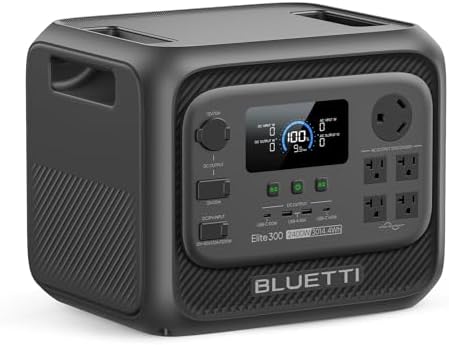
- [Compact 3kWh Power — Verified by Frost & Sullivan] – Elite 300 packs a full 3014Wh capacity into an ultra-compact desig…
- [RV-Ready with TT-30 Port & 12V/30A DC Output] – Designed for RV power systems, Elite 300 includes a TT-30 RV outlet and…
- [Reliable Home Backup Power for Outages] – Be prepared for unexpected power outages. With 3014Wh capacity and 2400W outp…
The best portable power station for air conditioner for future growth should have a verified expansion path rather than an assumed accessory route.
3. BLUETTI AC200L: best expandable 2kWh option
The BLUETTI AC200L is the expansion-minded choice. Its verified Product record lists 2,048Wh capacity, 2,400W continuous output, up to 1,200W solar input, and supported expansion configurations that can increase total stored energy.
The AC200L can be the best portable power station for air conditioner for a buyer who wants to begin with a 2kWh base and add runtime later after real measurements show the need. That is a better reason to expand than buying extra batteries before the air conditioner’s hourly energy use is understood.
Its 1,200W solar-input ceiling is also the strongest solar-recovery starting point in this four-product shortlist. Real solar production remains variable and will often be below the published ceiling. Panel voltage, current, shade, temperature, angle, wiring, and available sun hours must all fit the station’s documented limits.
Best for: a measured 120V cooling load, buyers who want capacity growth, and solar-supported recovery.
Not ideal for: frequent carrying or buyers who want the lightest 2kWh unit.
Main advantage: expandable energy storage and strong solar-input headroom.
Main trade-off: 61.4 lb base weight, plus added cost and complexity when expanded.
Why it belongs: it is the clearest long-term growth route in the shortlist.
Better alternative if: choose the C2000 Gen 2 when lower weight and simpler ownership matter more.
Related Review: BLUETTI AC200L Review.
Official source: BLUETTI AC200L product information.

- [Upgraded Version of AC200MAX] – AC200L boasts 2400W output, 200W more than AC200MAX, and it also supports expansion wit…
- [Multiple Expansion Batteries] – AC200L’s capacity can be expanded by 2 B300K (2764Wh each), 2 B210 ( 2150Wh each), 2 B3…
- [45 Min. Fast Recharge] – AC200L supports a max 2400W AC charging input, 0-80% only takes 45 mins. And up to 1200W solar…
The best portable power station for air conditioner for compact storage is acceptable only when the buyer accepts a shorter cooling session.
4. Anker SOLIX C1000 Gen 2: best compact short-session option
The Anker SOLIX C1000 Gen 2 is deliberately last because a 1,024Wh battery is a limited cooling reserve. It earns a place only for a buyer who has measured a low-draw 120V room air conditioner and accepts short, scheduled cooling rather than continuous operation.
In that narrow role, the C1000 Gen 2 can be the best portable power station for air conditioner for apartment storage, easier carrying, or fast recovery between cooling sessions. Anker lists 2,000W continuous output, 3,000W peak output, 600W solar input, and a 24.9 lb weight.
The inverter rating may be enough to start and run some room units, but capacity is the controlling limitation. A unit averaging 500W would use 1,000Wh in two hours before losses and reserve. That makes the C1000 Gen 2 a tactical cooling option, not an overnight air-conditioning battery.
Best for: a small measured air conditioner, short cooling windows, apartments, and buyers prioritizing portability.
Not ideal for: sustained cooling, unknown compressor startup, or future battery growth.
Main advantage: 24.9 lb portability, 2,000W output, and fast listed AC charging.
Main trade-off: only 1,024Wh and no expansion-battery path.
Why it belongs: it defines the minimum practical end of this shortlist without pretending 1kWh is enough for everyone.
Better alternative if: move to the C2000 Gen 2 when more than a brief cooling session is required.
Related Review: Anker SOLIX C1000 Gen 2 Review.
Official source: Anker SOLIX C1000 Gen 2 product information.
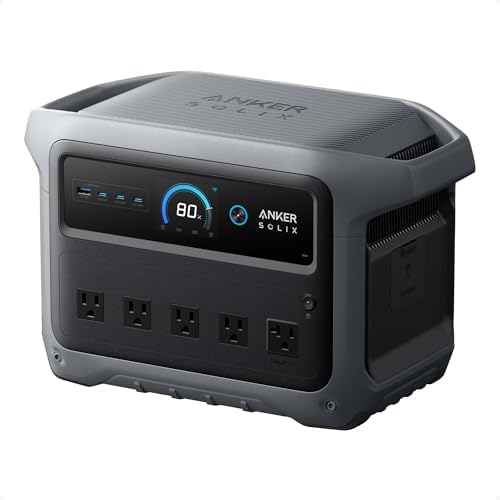
- 49 Min UltraFast Recharging: With upgraded HyperFlash tech, fully recharge at 1,600W—for outage prepping, camping trips,…
- 2,000W Output via 10 Ports: Delivers 2,000W (3,000W peak) and 1,024Wh capacity. Power up to 10 devices—ideal for emergen…
- Compact and Portable: Easily carry, store, and move from room to room, your RV, or even on beach and park outings. C1000…
Finding the best portable power station for air conditioner begins with measured watt-hours, not the appliance’s marketing category.
Size the station from measured watts and cooling hours
The best portable power station for air conditioner decision should begin with a representative one-hour measurement. Use an appropriately rated energy meter only when the appliance manufacturer permits it. Record startup behavior, stabilized running watts, compressor cycling, fan setting, thermostat setting, and total watt-hours.
- Confirm the appliance voltage from the label and manual.
- Measure or document average watts over a representative hot-hour test.
- Confirm compressor startup with repeated cycles, not one successful start.
- Add other simultaneous loads, including a router, fan, lights, or refrigerator.
- Multiply measured average watts by the required cooling hours.
- Add conversion losses and a meaningful battery reserve.
- Reject the setup when the station cannot remain dry, stable, ventilated, and safely connected.
Use the PowerLabPro sizing guide to separate continuous output, startup demand, watt-hours, conversion loss, reserve, and recovery. A calculation should be conservative enough that the plan still works when the room is hotter or the compressor cycles more frequently.
The final best portable power station for air conditioner choice should still have margin after that conservative calculation.
The best portable power station for air conditioner may change when a variable-speed compressor settles to a much lower average draw.
Conventional and inverter-compressor air conditioners
A conventional fixed-speed compressor normally cycles fully on and off. Each restart can produce a more noticeable starting event. A variable-speed or inverter-compressor room unit can adjust its output and may settle to a lower average draw after the room begins cooling.
That difference can change the best portable power station for air conditioner choice. A variable-speed unit with a low stabilized average may get useful cooling from a 2kWh station. A conventional unit that repeatedly restarts or runs nearly continuously may need more inverter margin and more stored energy.
Do not confuse an inverter-compressor air conditioner with the inverter inside a power station. The terms describe different equipment. Compatibility still depends on voltage, waveform requirements, continuous draw, startup behavior, and the appliance manufacturer’s instructions.
A best portable power station for air conditioner runtime estimate should use a representative average and preserve a reserve.
Runtime planning examples
These examples show the method, not guaranteed product runtime. Assume the measured average already includes compressor cycling, then reduce the battery estimate further for losses and reserve.
| Measured average load | Simple energy for 2 hours | Simple energy for 4 hours | Planning direction |
|---|---|---|---|
| 400W | 800Wh | 1,600Wh | A 1kWh station may cover a short session; 2kWh is the safer four-hour starting class. |
| 600W | 1,200Wh | 2,400Wh | A 2kWh station is unlikely to deliver four full hours after losses; consider 3kWh or scheduled cooling. |
| 800W | 1,600Wh | 3,200Wh | A 3kWh station may still be tight for four hours; reduce heat gain or add a verified recovery plan. |
| 1,200W | 2,400Wh | 4,800Wh | High energy demand makes portable-battery cooling expensive and short-lived. |
A buyer comparing the best portable power station for air conditioner should treat these numbers as a screening tool. The correct target is not the maximum theoretical time to empty. It is the useful cooling period that leaves energy for shutdown, communications, lighting, and an unexpected extension of the outage.
The best portable power station for air conditioner for solar-supported use still needs enough battery to handle clouds and reduced production.
Solar charging and recovery limits
Solar can extend a cooling plan, but it should not be treated as guaranteed continuous operation. The air conditioner may draw the most energy during the same hot afternoon when panels are producing well, but cloud cover, shade, panel temperature, angle, cable loss, and the station’s charging curve can reduce recovery.
For the best portable power station for air conditioner with a solar-recovery priority, the AC200L has the strongest published input ceiling in this shortlist at up to 1,200W. The C2000 Gen 2 lists up to 800W, and the C1000 Gen 2 lists up to 600W. The Elite 300 should be checked against its current manual and selected charging accessories before final array design.
Size the battery first, then treat solar as a variable contribution. Verify open-circuit voltage, current, connectors, cable arrangement, cold-weather voltage, and the manufacturer’s current limits. Do not exceed the station’s input specifications or place the station in direct rain or standing water.
The best portable power station for air conditioner becomes a poor choice when voltage, startup, or placement is guessed.
Common air-conditioner backup mistakes
- Buying by BTU alone: BTU measures cooling capacity, not the electrical load that the station must supply.
- Using peak watts as normal output: Temporary peak capability is not a continuous rating or a runtime promise.
- Ignoring voltage: A 120V-only station cannot directly run a 230V or 240V air conditioner.
- Calculating from the lowest display reading: Measure a representative hour that includes realistic compressor behavior.
- Running other heavy appliances: Microwaves, kettles, heaters, and cooking appliances can overload the inverter or consume the reserve.
- Planning to empty the battery: Keep a reserve for communications, lighting, safe shutdown, and unexpected outage duration.
- Assuming solar will match the load: Published solar input is a ceiling, not guaranteed field production.
- Skipping repeated testing: Test compressor starts, cycling, cable routing, fan noise, and low-state-of-charge behavior before an emergency.
The best portable power station for air conditioner is not the one that survives a single five-minute demonstration. It is the system that remains stable through repeated compressor cycles and still meets the planned energy budget.
The best portable power station for air conditioner must fit inside a broader extreme-heat and electrical-safety plan.
Safety and extreme-heat planning
Keep the power station dry, stable, ventilated, and away from condensate discharge. Do not place it directly beneath a window unit, beside a leaking portable-AC hose, on wet flooring, or where its cords cross an exit. Use only cords and connections permitted by both manufacturers.
Do not backfeed a household receptacle or improvise a connection to home wiring. This guide covers direct cord-connected appliances. A hardwired cooling system or transfer arrangement requires appropriate listed equipment and qualified installation.
Extreme heat can be dangerous. A consumer battery plan should not be the only protection for an older adult, infant, medically vulnerable person, or anyone whose health depends on reliable climate control. Maintain access to local cooling centers, alerts, transportation, medication plans, and emergency contacts. Review Ready.gov extreme-heat guidance and current local instructions.
Even the best portable power station for air conditioner cannot guarantee health protection, whole-home cooling, or uninterrupted operation. Product selection is only one part of a heat-emergency plan.
These answers narrow the best portable power station for air conditioner decision without promising universal appliance compatibility.
FAQ
Can a portable power station run an 8,000-BTU air conditioner?
BTU alone cannot answer the question. Confirm voltage, measured running watts, compressor startup behavior, and hourly energy use for the exact model.
Is a 1,000Wh power station enough for a window air conditioner?
It may support a small efficient 120V unit for a short period, but sustained cooling can drain a 1kWh battery quickly. Measure the appliance and preserve a reserve.
How many watt-hours do I need for four hours of cooling?
Multiply the measured average watts by four, then add conversion losses and reserve. A 600W average load starts at 2,400Wh before those additions.
Is an inverter air conditioner better for battery backup?
A variable-speed compressor may have smoother operation and a lower stabilized average draw, but exact compatibility and energy use still require verification.
Can solar panels keep a room air conditioner running all day?
Not automatically. The array, weather, station input limit, battery state, and cooling load must all align. Treat solar as variable recovery rather than guaranteed continuous operation.
Which product is the best overall pick in this guide?
The Anker SOLIX C2000 Gen 2 is the balanced top pick. Choose the Elite 300 for more fixed energy, the AC200L for expansion, or the C1000 Gen 2 only for short measured cooling sessions.
Final recommendation by buyer type
The Anker SOLIX C2000 Gen 2 is the strongest overall best portable power station for air conditioner candidate for a buyer who has verified a 120V room unit and wants a balanced 2kWh system. It offers useful inverter headroom and a comparatively manageable body without pretending that 2,048Wh can provide unlimited cooling.
Choose the BLUETTI Elite 300 when a larger fixed battery is more important than expansion. Choose the BLUETTI AC200L when the base system fits but future runtime growth and solar recovery are priorities. Choose the Anker SOLIX C1000 Gen 2 only when the measured load is low, cooling sessions are short, and portability matters more than duration.
Before buying the best portable power station for air conditioner for your home, record the appliance voltage, repeated startup behavior, average watt-hours over a hot representative hour, desired cooling time, simultaneous essential loads, safe placement, and recharge path. The correct station is the one that passes all of those checks with margin.
For the full compatibility method, read Can a Portable Power Station Run a Window Air Conditioner?. Then use the PowerLabPro sizing guide before selecting a battery class.
That is the standard this best portable power station for air conditioner draft uses: verified identity, measured load, useful runtime, safe placement, and a realistic recovery path.
The best portable power station for air conditioner is therefore a buyer-specific decision, not a universal award.
Final Recommendation
Best overall balance: Anker SOLIX C2000 Gen 2 for a verified 120V room air conditioner and a useful 2kWh cooling plan. Choose BLUETTI Elite 300 for more fixed energy, BLUETTI AC200L for expansion and stronger solar recovery, or Anker SOLIX C1000 Gen 2 only for a measured low-draw unit and short cooling sessions.
Frequently Asked Questions
Can a portable power station run an 8,000-BTU air conditioner?
BTU alone cannot answer the question. Confirm voltage, measured running watts, compressor startup behavior, and hourly energy use for the exact model.
Is a 1,000Wh power station enough for a window air conditioner?
It may support a small efficient 120V unit for a short period, but sustained cooling can drain a 1kWh battery quickly. Measure the appliance and preserve a reserve.
How many watt-hours do I need for four hours of cooling?
Multiply the measured average watts by four, then add conversion losses and reserve. A 600W average load starts at 2,400Wh before those additions.
Is an inverter air conditioner better for battery backup?
A variable-speed compressor may have smoother operation and a lower stabilized average draw, but exact compatibility and energy use still require verification.
Can solar panels keep a room air conditioner running all day?
Not automatically. The array, weather, station input limit, battery state, and cooling load must all align. Treat solar as variable recovery rather than guaranteed continuous operation.
Which product is the best overall pick in this guide?
The Anker SOLIX C2000 Gen 2 is the balanced top pick. Choose the Elite 300 for more fixed energy, the AC200L for expansion, or the C1000 Gen 2 only for short measured cooling sessions.