
Comparison
HomePower 3600 Pro Max vs 3600 Plus: Which Jackery Backup Is Better?
Compare HomePower 3600 Pro Max vs 3600 Plus by 240V capability, output, expansion, portability, and selected-load home backup fit.
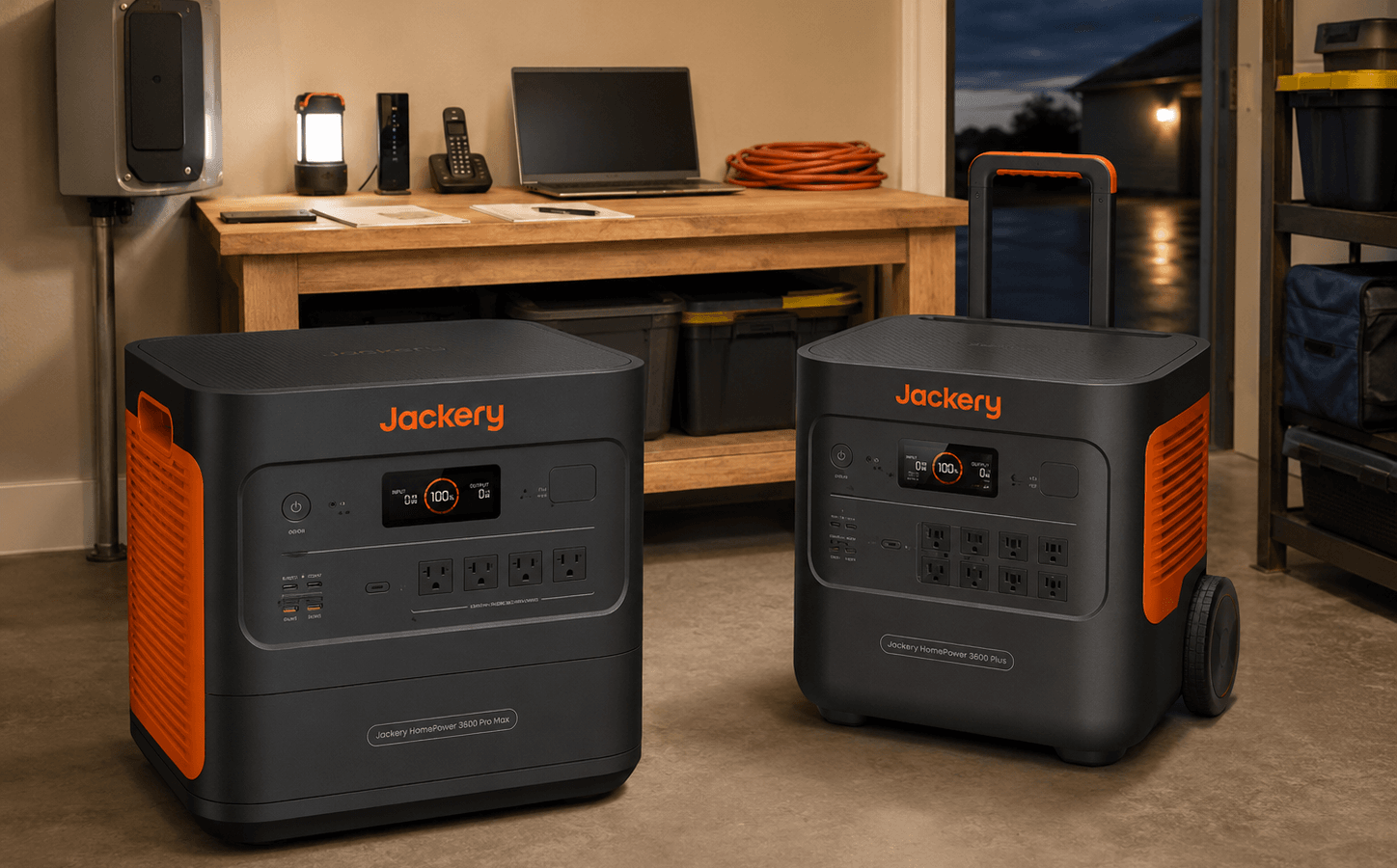
Product Matchup
Side-by-side summary
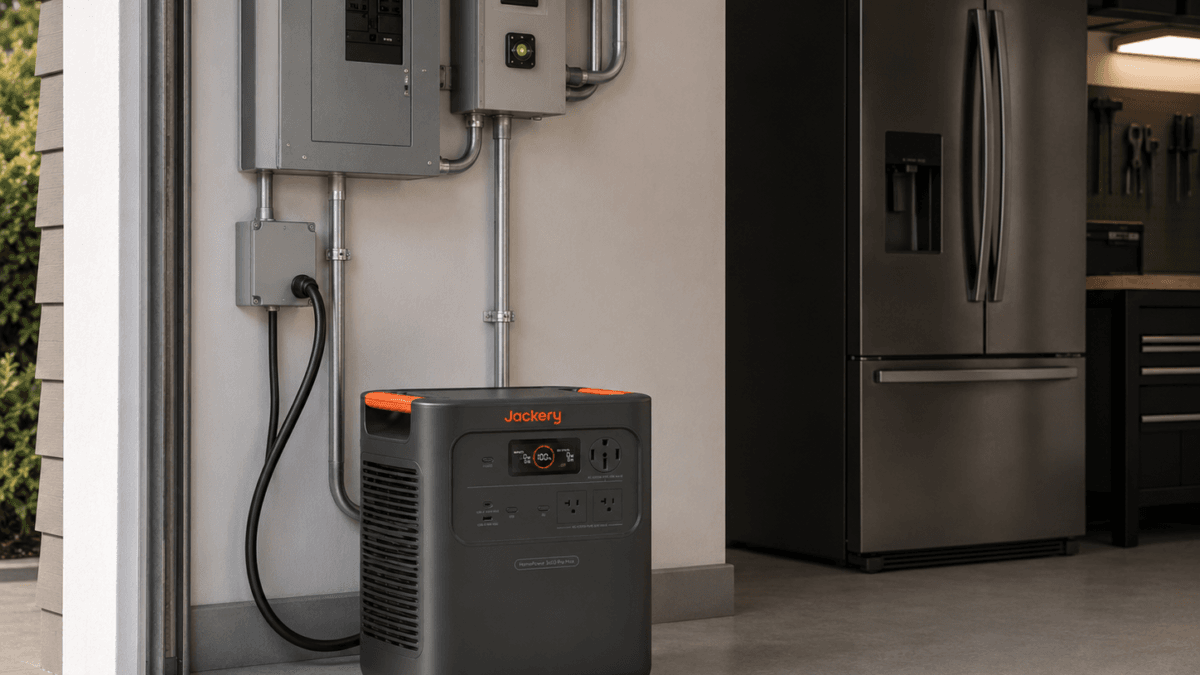
Product A
Jackery HomePower 3600 Pro Max
A 3,584Wh LiFePO4 portable power station with 4,000W 120/240V output for measured essential-load backup, compatible selected-circuit planning, and staged expansion. Its trade-off is a 73.85 lb base unit that needs a planned operating location.
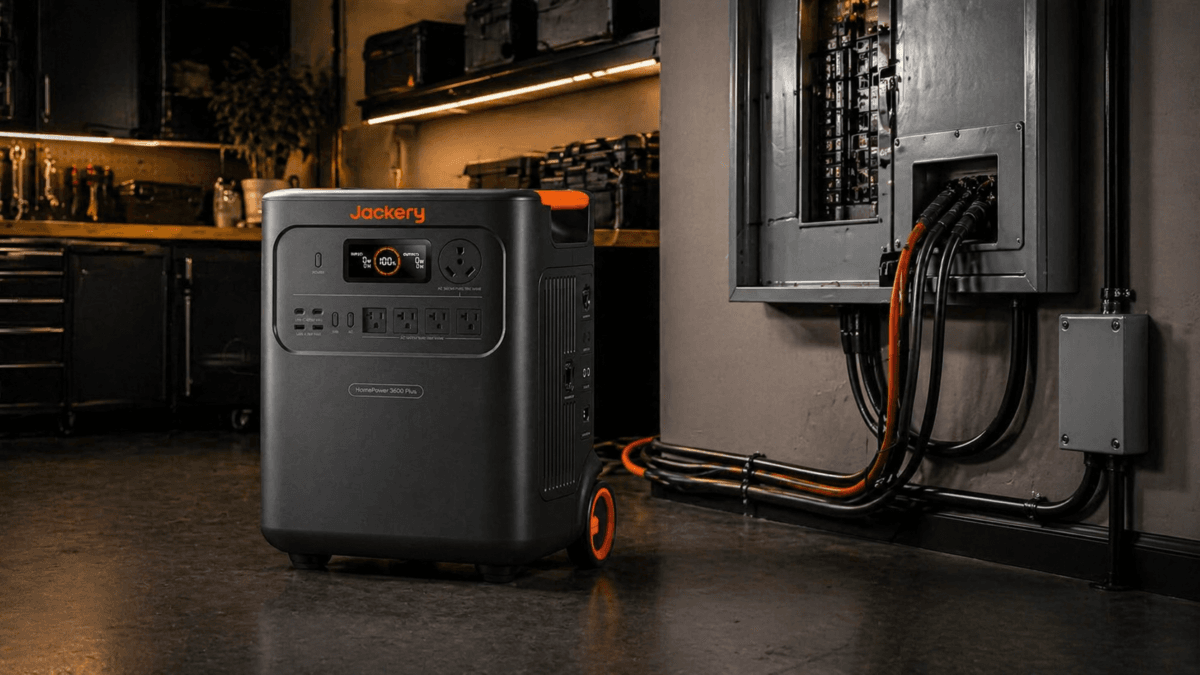
Product B
Jackery HomePower 3600 Plus Portable Power Station
3.6kWh LFP portable power station built for essential home backup, RV use, and outage preparedness, with 3,600W AC output, expandable capacity, UPS support, app monitoring, and rolling portability.
Spec Comparison
Core numbers
| Spec | Jackery HomePower 3600 Pro Max | Jackery HomePower 3600 Plus Portable Power Station |
|---|---|---|
| Capacity | 3584 Wh | 3584 Wh |
| AC Output | 4000 W | 3600 W |
| Solar Input | 1200 W | 1200 W |
HomePower 3600 Pro Max vs 3600 Plus is a close decision only until you separate battery capacity from electrical architecture. Both Jackery platforms begin with 3,584Wh. The meaningful question is whether your plan needs a single-unit 120V and 240V route with 4,000W rated output, or a rolling 120V platform that can grow and reach 240V through Jackery’s documented two-unit configuration.
This comparison uses current manufacturer-listed specifications, verified PowerLabPro Product records, and buyer-fit reasoning. It does not claim hands-on laboratory testing, fixed runtime, live price comparisons, or automatic whole-home coverage. Treat both products as selected-load backup platforms that must be matched to the actual appliances, connection method, recharge plan, and operating location.
For HomePower 3600 Pro Max vs 3600 Plus, write down the loads that matter through the first night before selecting either platform. A refrigerator, communications gear, lights, phones, a laptop, and one work device create a different requirement from a confirmed 240V appliance or a selected-circuit plan. The right choice is the system that supports the verified load list without turning a portable station into an unplanned home electrical system.
Table of Contents
Quick verdict: choose the voltage path before the expansion ceiling
The practical answer to HomePower 3600 Pro Max vs 3600 Plus is straightforward. Choose the HomePower 3600 Pro Max when a verified one-unit 240V path, 4,000W rated output, or the larger published expansion ceiling is central to the plan. Choose the HomePower 3600 Plus when the first real use is a rolling 120V essential-load system and future expansion is more important than starting with one-unit 240V capability.
Neither option is a universal winner. The Pro Max gives a different electrical route. The 3600 Plus can be a more proportionate starting platform for a refrigerator, communications gear, lights, and work devices that are all 120V. A buyer should not pay for an architecture that will never be used, but should not assume a future two-unit plan solves an immediate one-unit 240V requirement.
In HomePower 3600 Pro Max vs 3600 Plus, capacity is a tie at the starting point. The decision turns on output, voltage, mobility, expansion approach, and the buyer’s tested outage plan. Start with the appliance labels and connection plan, then decide which platform has the useful advantage.
HomePower 3600 Pro Max vs 3600 Plus at a glance
| Buyer factor | HomePower 3600 Pro Max | HomePower 3600 Plus |
|---|---|---|
| Starting capacity | 3,584Wh | 3,584Wh |
| Rated AC output | 4,000W | 3,600W |
| Initial voltage route | 120V and 240V from one unit | 120V from one unit |
| Published 240V route | Single-unit platform | Documented two-unit configuration |
| Published expansion ceiling | Up to 43kWh | Up to 21kWh |
| Buyer role | Verified one-unit 240V or higher-output selected loads | Rolling 120V backup with staged capacity growth |
This HomePower 3600 Pro Max vs 3600 Plus table identifies the platform difference, not a runtime promise. Battery capacity indicates stored energy. Continuous output indicates what can operate simultaneously. Voltage determines a potential connection path. Expansion describes a future configuration, not what is automatically included or suitable for every household.
For both products, a sensible plan keeps essential devices separate from optional loads. It also preserves battery reserve for the next refrigerator cycle, communications need, or nighttime lighting period. The buyer who begins with that practical discipline will select more effectively than the buyer comparing only the biggest headline number.
The voltage-path decision: one-unit 240V versus a two-unit route
The central distinction in HomePower 3600 Pro Max vs 3600 Plus is the starting voltage architecture. Jackery lists the Pro Max as a 120V and 240V platform from one unit. Jackery lists the 3600 Plus as a 120V platform from one unit, with 240V through a documented two-unit configuration. That difference matters only when the buyer has a genuine, verified reason to use it.
A 240V outlet does not confirm that a particular appliance, transfer device, home inlet, or circuit is compatible. Voltage must match. Running demand and motor-start behavior must be checked. The intended connector and transfer equipment must be compatible. A qualified installation path may be necessary for any selected-circuit or transfer-switch arrangement.
For HomePower 3600 Pro Max vs 3600 Plus, the right question is not whether 240V is impressive. It is whether the priority load, connector, and planned connection method actually require it. Most basic refrigerator, router, modem, lighting, laptop, and phone-charging plans are 120V questions. A confirmed 240V requirement changes the platform decision.
Capacity and output planning
Both sides of HomePower 3600 Pro Max vs 3600 Plus begin with 3,584Wh, so neither wins because of a larger base battery. The Pro Max has 4,000W rated output, compared with 3,600W for the 3600 Plus. That 400W difference can matter when the verified simultaneous load is close to the 3600 Plus limit, but it does not add energy reserve and does not prove a demanding appliance will operate correctly.
Separate watts from watt-hours. Watts describe the load being powered at a moment. Watt-hours describe how much energy the battery stores. A system can have enough output for a device but not enough battery for the desired duration. It can also have substantial battery capacity but fail a plan when too many loads overlap or when a motor-driven device needs more starting margin than expected.
A careful HomePower 3600 Pro Max vs 3600 Plus plan lists running demand, likely overlap, daily operating hours, and any motor-start behavior. Use the PowerLabPro sizing guide before purchasing. It helps turn an appliance list into an outage plan rather than an optimistic runtime guess.
Expansion and recovery are separate decisions
Expansion is important in HomePower 3600 Pro Max vs 3600 Plus, but larger published ceilings are not automatic recommendations. Jackery lists the Pro Max with expansion up to 43kWh and the 3600 Plus up to 21kWh. Extra batteries can extend stored energy, yet they also add purchase cost, floor space, cable management, handling demands, and a greater need for a realistic charging plan.
Buy expansion for a demonstrated energy gap. A disciplined refrigerator-and-communications plan may work with the base unit longer than expected. A more demanding selected-load plan might prove that additional reserve is necessary. Testing the base system in calm conditions is often more useful than buying the maximum expansion configuration before the first real outage.
The recovery part of HomePower 3600 Pro Max vs 3600 Plus deserves equal attention. AC charging and compatible solar can restore energy, but solar harvest changes with panel configuration, sunlight, shade, weather, cable loss, temperature, and battery state. A published input ceiling is a compatibility maximum, not a daily energy guarantee.
Portability and placement can change the winner
Portability is a real difference in HomePower 3600 Pro Max vs 3600 Plus. The 3600 Plus has a rolling buyer role that can fit a garage, utility area, RV, or protected loading path where controlled movement matters. The Pro Max is better understood as a more capable electrical platform that should be positioned deliberately before an outage, not handled casually once the lights are out.
Before choosing either unit, decide where it will be stored, how it will be moved, where cords will route, and what surface will remain dry, stable, and ventilated. Avoid blocked vents, water exposure, damaged cords, trip hazards, and rushed lifting. A slightly smaller or lower-output platform that can be deployed safely is a better outcome than a larger setup that cannot be managed properly.
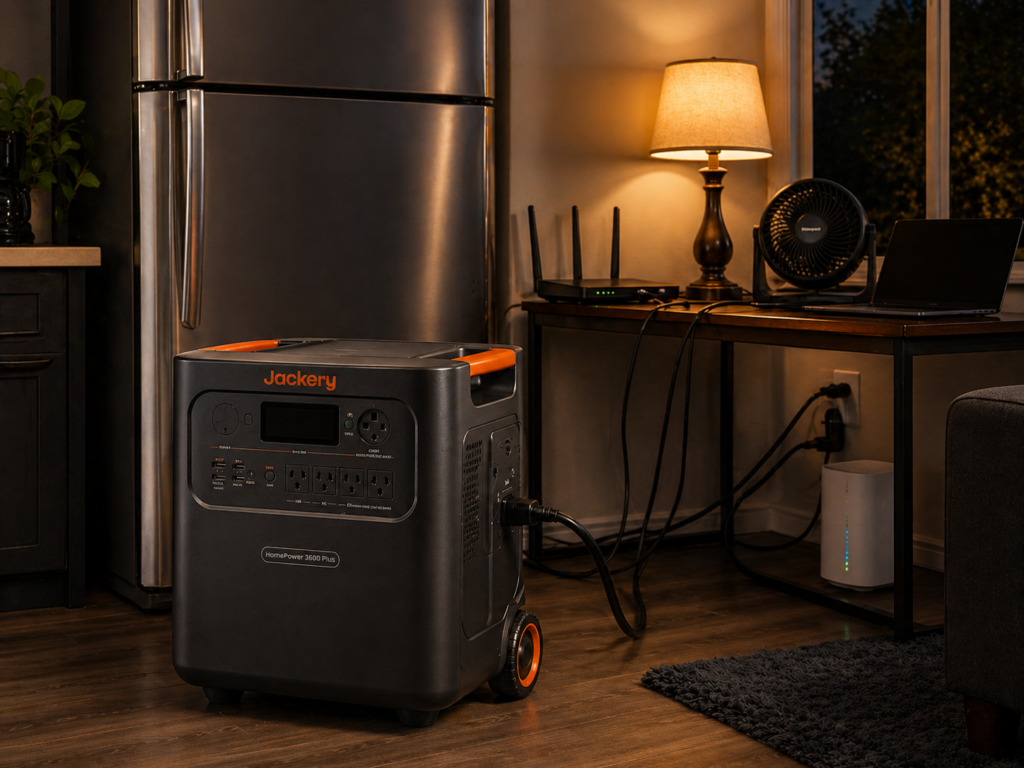
Choose HomePower 3600 Pro Max for a verified one-unit 240V plan
Choose the Pro Max in HomePower 3600 Pro Max vs 3600 Plus when a verified appliance or selected-load system makes one-unit 240V capability meaningful. It is also the better match when the written plan needs 4,000W rated output, a documented manual-transfer-switch direction, or the larger published expansion ceiling.
Best for: buyers with a confirmed 240V or higher-output selected-load requirement. Not ideal for: a short 120V essentials list that includes only communications, lights, laptop work, phones, and a modest refrigerator plan. Main advantage: the one-unit 120V and 240V architecture. Main trade-off: its capability demands more verification, accessory planning, and safe placement.
In HomePower 3600 Pro Max vs 3600 Plus, the Pro Max should not be selected solely because it has more output or a 240V outlet. It earns its place when the buyer can name the load, verify the connector and electrical path, and explain why the two-unit 3600 Plus route would not meet the plan. Read the connected Product guide and Review before choosing accessories.
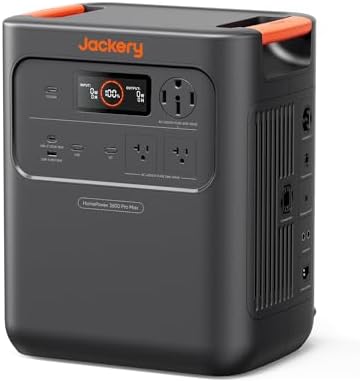
- 4kW–8kW Auto Backup, Ready in Half the Time: Turn your 3600 Pro Max into a home energy hub using a manual transfer switc…
- Experience True Seamlessness: With a <10ms UPS switch—faster than a blink—your computers and appliances keep running wit…
- True 240V Performance from a Single Unit: Get 4000W of 120V/240V power from one unit. Starting at 3.6kWh and expandable …
Choose HomePower 3600 Plus for a rolling 120V starting system
Choose the 3600 Plus in HomePower 3600 Pro Max vs 3600 Plus when the current plan is a 120V essential-load system and the rolling form factor makes deployment simpler. It begins at the same 3,584Wh capacity, has 3,600W output, and provides a staged capacity route without asking the buyer to begin with a one-unit 240V plan.
Best for: buyers who want a controlled refrigerator, communications, lighting, work-device, and basic comfort plan. Not ideal for: buyers who already know that one-unit 240V capability is a confirmed requirement. Main advantage: a practical rolling 120V platform with documented expansion. Main trade-off: its 240V route is a later two-unit decision, not a one-unit feature.
The 3600 Plus is not a lesser result in HomePower 3600 Pro Max vs 3600 Plus. It is the right answer when the base plan is smaller and more mobile, and when the owner wants to measure real use before adding equipment. See the connected Product reference and Review for current compatible expansion context.
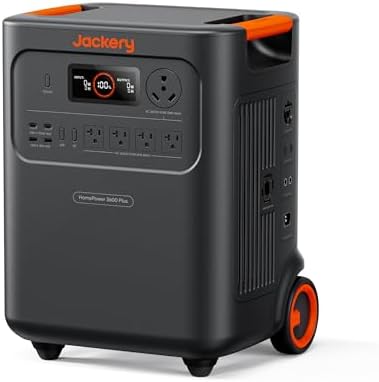
- Essential Home Backup: The Jackery HomePower 3600 Plus delivers 3600W output (7200W in parallel) to run pumps, heaters, …
- Safe Power That Lasts: Built with high-temp resistant ceramic membrane battery cells tested at 302 °F, the Jackery HomeP…
- Plug-and-Play: With its easy plug-and-play design, the Jackery HomePower 3600 Plus, paired with MTS, powers your home ef…
What neither platform replaces
Neither result in HomePower 3600 Pro Max vs 3600 Plus replaces a permanently designed whole-home battery, standby generator, or unverified home-wiring connection. Both are portable selected-load platforms. They need compatible equipment, careful load management, and an operating plan that respects the limits of the inverter, battery, cords, connectors, and installation path.
Do not backfeed home wiring or connect to an unknown circuit. A manual transfer switch, inlet, or selected-circuit plan should use compatible equipment and, where required, qualified installation. For broader outage readiness, review Ready.gov’s power-outage guidance.
Common buying mistakes
Buyers making a HomePower 3600 Pro Max vs 3600 Plus decision often make a correct product look wrong by skipping the load plan. The same problems recur: choosing by battery capacity alone, treating temporary surge as continuous output, expecting solar to guarantee multi-day recovery, buying extra batteries before testing the base system, or assuming 240V capability equals whole-home capability.
- Choose the load list first: identify what must run together and what can wait.
- Protect battery reserve: set a point where optional loads turn off.
- Verify motor-driven appliances: check labels, manuals, and expected start behavior.
- Test before an outage: verify cords, placement, charging, and the correct priority order.
HomePower 3600 Pro Max vs 3600 Plus FAQ
Do both units start with the same battery capacity?
Yes. Both platforms start at 3,584Wh. In HomePower 3600 Pro Max vs 3600 Plus, the more useful distinctions are output, one-unit voltage route, expansion approach, and the practical load plan.
Can one HomePower 3600 Plus supply 240V?
Jackery describes the 3600 Plus as a 120V appliance platform from one unit and a 240V platform through a two-unit configuration. Confirm the current manual and all required compatible accessories before treating it as a 240V solution.
Does the Pro Max make every 240V appliance compatible?
No. A 240V outlet does not establish appliance compatibility. Check the exact appliance voltage, running demand, starting behavior, connector, transfer equipment, and connection method.
Should I buy extra batteries before testing the base unit?
Only when the written plan already shows an energy gap. The right HomePower 3600 Pro Max vs 3600 Plus expansion plan is based on measured essential-load use and a realistic recovery path, not an assumption that a larger battery bank automatically solves every outage.
Decision checklist before purchase
Use this HomePower 3600 Pro Max vs 3600 Plus checklist before selecting a platform. First, list the priority devices and identify their voltage. Second, calculate the highest likely simultaneous running load. Third, identify motor-driven devices that need separate verification. Fourth, estimate the daily energy use of the essential list. Fifth, decide how the battery will be recharged before the next night.
Then evaluate the connection path. A buyer who needs a compatible one-unit 240V route has a reason to prioritize the Pro Max. A buyer whose real list is 120V and who values a rolling starting system has a reason to prioritize the 3600 Plus. The final choice becomes clearer once the system is defined around essential loads instead of household wish lists.
A final HomePower 3600 Pro Max vs 3600 Plus check should confirm the exact current product manual, accessory compatibility, Amazon listing identity, expected placement, and safe cable routing. Those details protect the buyer from choosing a capable product for the wrong electrical situation.
Final decision
The correct HomePower 3600 Pro Max vs 3600 Plus answer depends on whether the plan requires the Pro Max’s one-unit 120V and 240V architecture, 4,000W output, and larger published expansion ceiling. When those are verified needs, choose Pro Max. When the plan starts with rolling 120V essential-load backup and staged growth, choose the 3600 Plus.
Both platforms can be useful in a thoughtful outage plan. Neither should be selected as a promise of automatic whole-home operation. Start with the selected load list, verify the electrical path, test the base setup, and add capacity only when the measured plan proves it is necessary.
Winners by Category
| Overall | Tie |
|---|---|
| Value | Tie |
| Portability | Jackery HomePower 3600 Plus: Practical 3.6kWh Backup |
| Output | Jackery HomePower 3600 Pro Max: Practical 4,000W 240V Backup |
| Battery | Tie |
Final Verdict
Choose the HomePower 3600 Pro Max when a verified single-unit 240V path, higher 4,000W output, or greater expansion ceiling is central to the plan. Choose the HomePower 3600 Plus for a rolling 120V starting platform with staged expansion. Neither is a universal winner; match the system to the confirmed load and connection plan.