
Buying Guide
Best Portable Power Station for RV: 5 Picks for Camping, Boondocking, and Van Life
Compare the best portable power station for RV use in 2026. Smart picks for van life, weekend camping, boondocking, and full-time RV power planning.
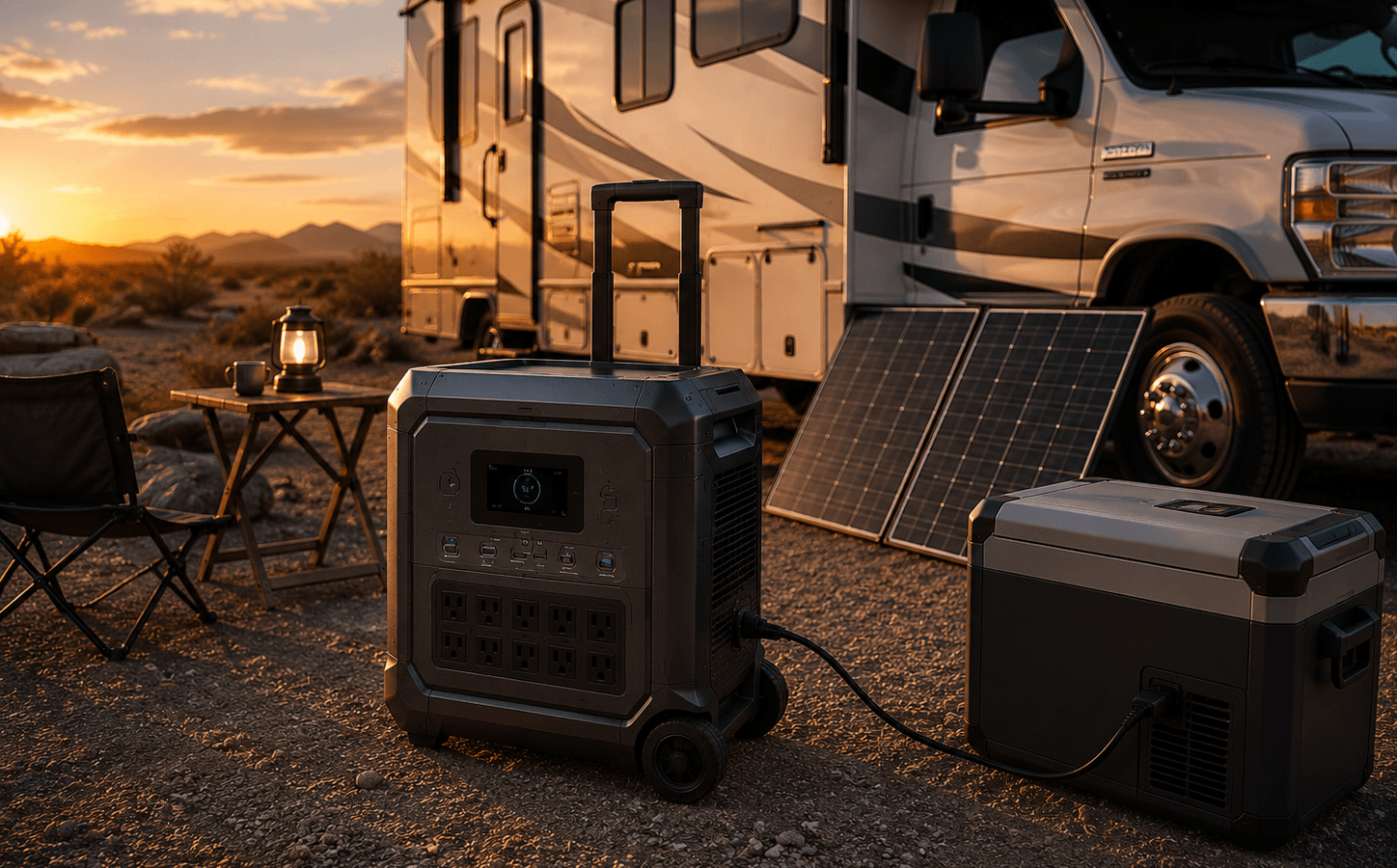
Product Shortlist
Featured products
Product
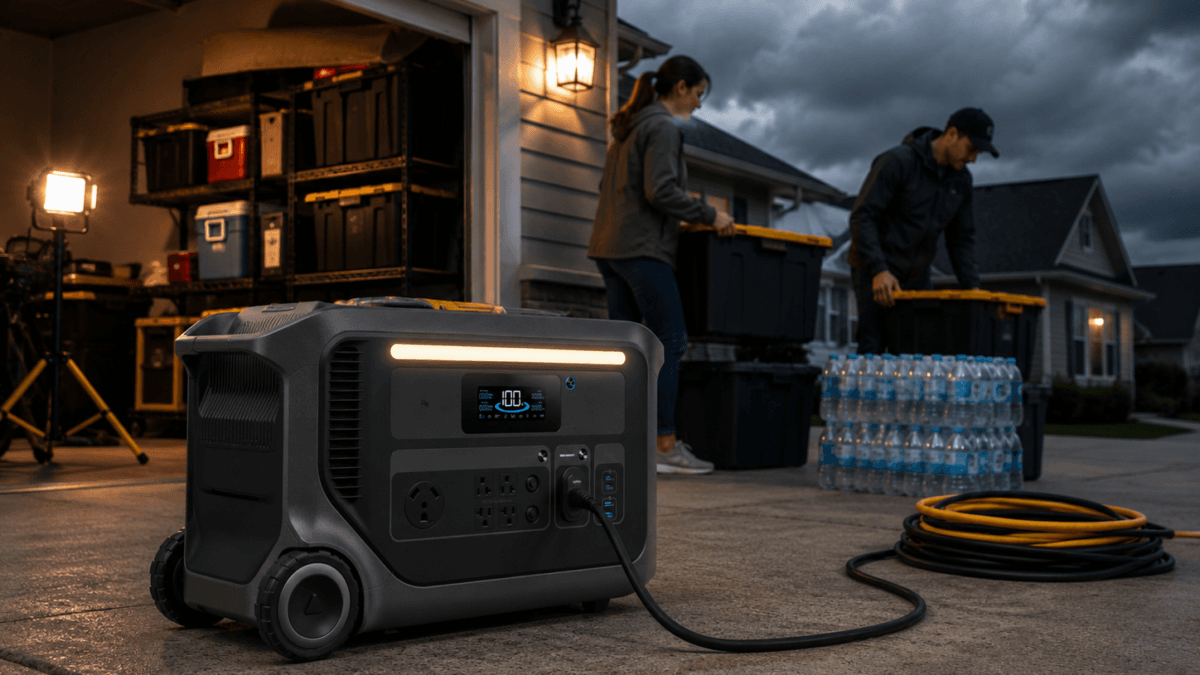
Anker SOLIX F3000 Portable Power Station
A 3,072Wh LFP rolling portable power station for essential home backup, RV power, solar charging, and expandable outage planning.
Product
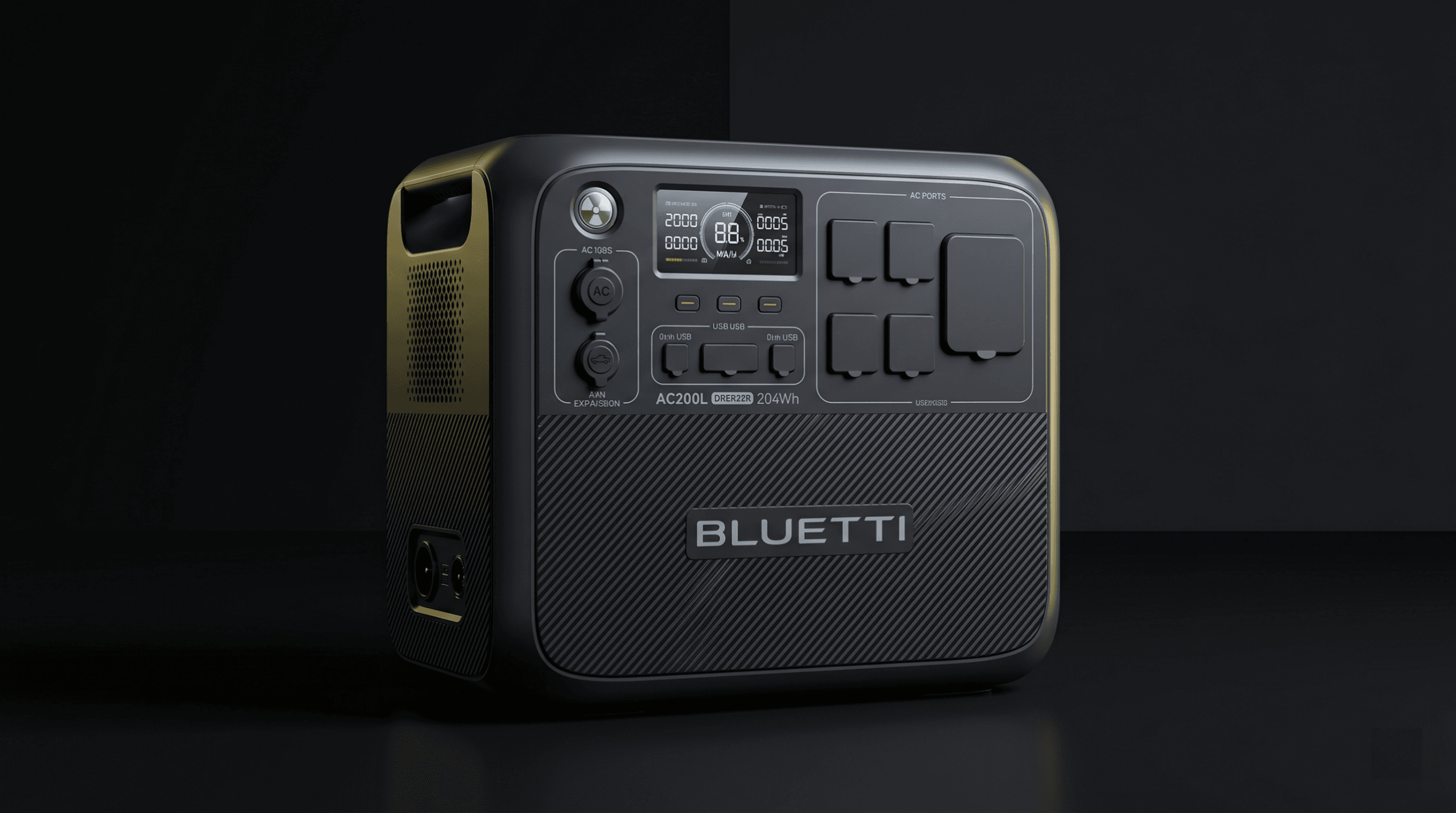
BLUETTI AC200L Portable Power Station
Expandable 2,048Wh LiFePO4 power station with 2,400W AC output, fast AC charging, strong solar input, app control, and serious backup power for RV and home use.
Product
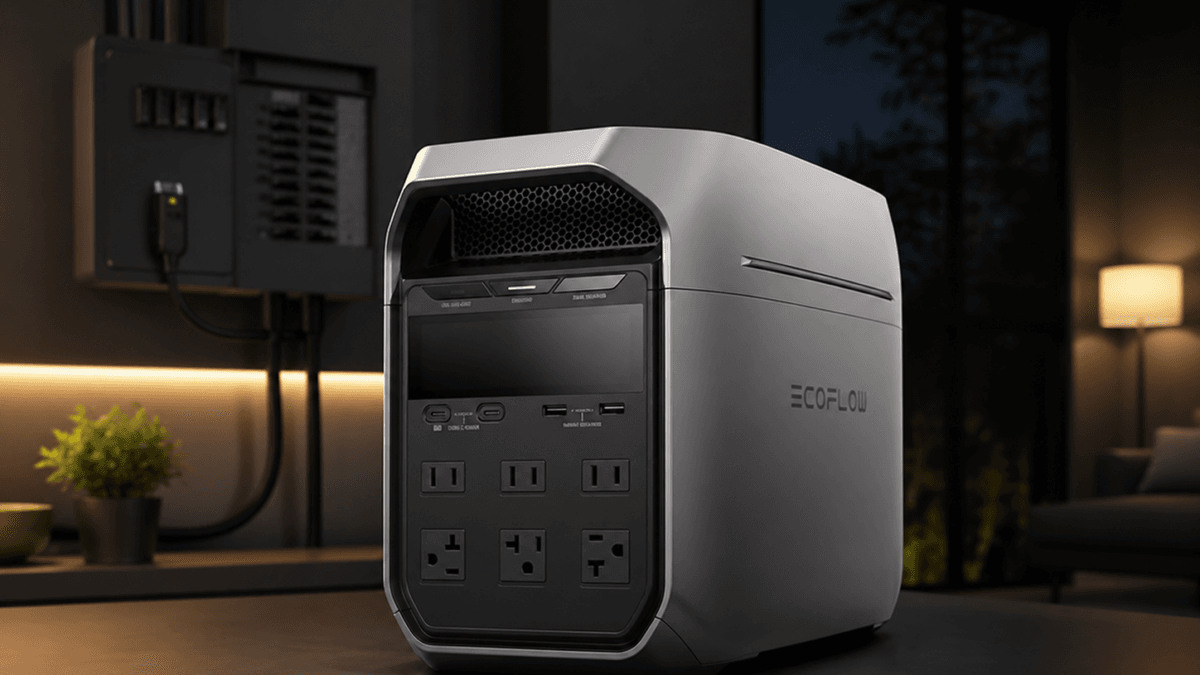
EcoFlow DELTA 3 Plus Portable Power Station
Compact 1,024Wh LFP portable power station with 1,800W AC output, fast recharge, 1,000W max solar input, UPS support, and expandable battery compatibility.
Product
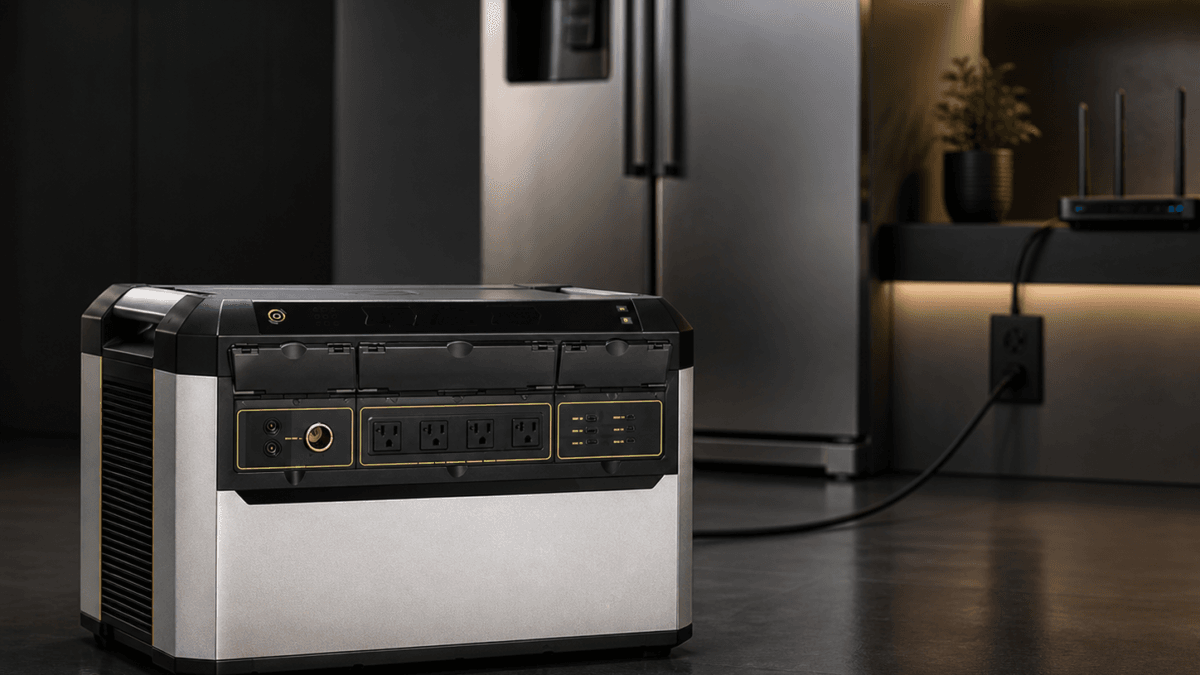
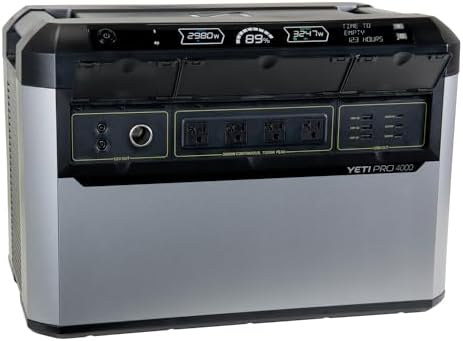
Goal Zero Yeti PRO 4000 Portable Power Station
Premium 3,994Wh LiFePO4 portable power station with 3,600W continuous AC output, 7,200W surge, 3,000W max solar input, and expandable home backup support.
Product
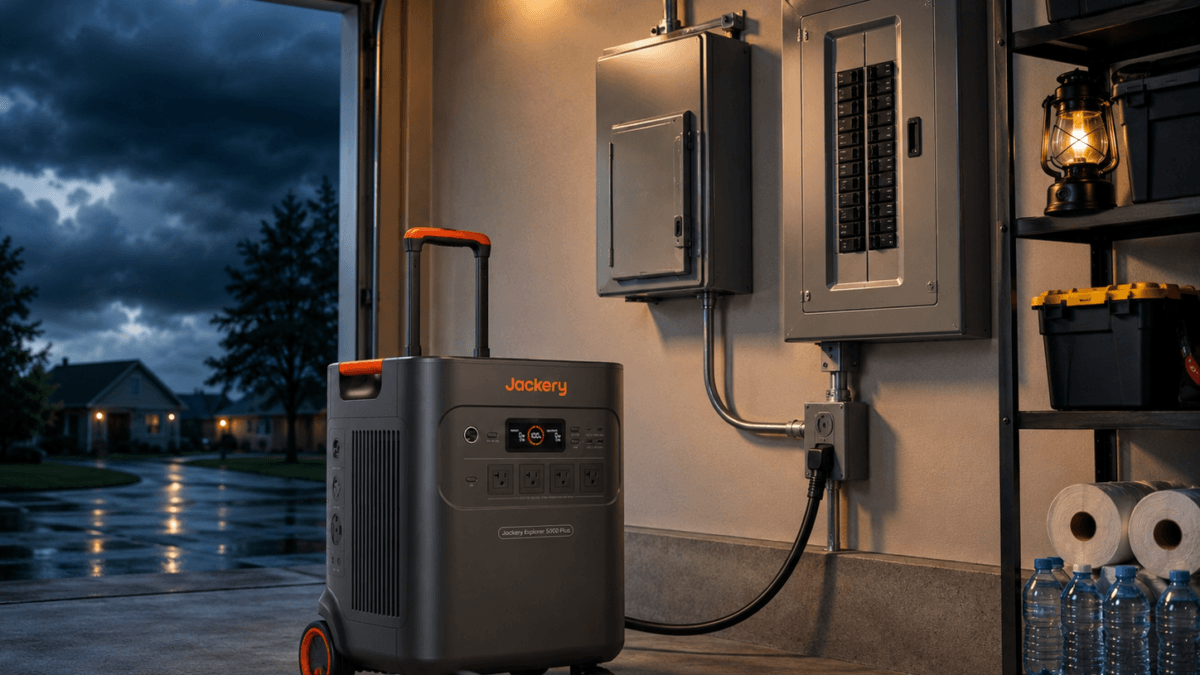
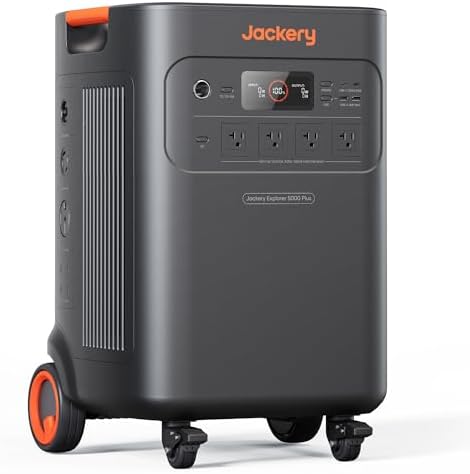
Jackery Explorer 5000 Plus
Large 5,040Wh LiFePO4 portable power station with 7,200W AC output, 14,400W surge, 120V/240V support, solar charging up to 4,000W, and expandable home-backup capacity.
This article may contain affiliate links. If you buy through these links, PowerLabPro may earn a commission at no extra cost to you. As an Amazon Associate I earn from qualifying purchases.
The best portable power station for RV is not one product. It depends entirely on your rig. A weekend camper with hookups available most nights has no business buying the same unit as someone boondocking in the desert for three weeks.
That sounds obvious. But most buying guides ignore it and recommend the same two or three products to everyone. This one does not. The five picks here cover the full range, from van life to full-time Class A, and the recommendation changes based on what you actually need.
One thing worth saying upfront: the best portable power station for RV use has crossed the threshold where it can replace a gas generator for normal everyday RV campsite needs. The noise, the fumes, the fuel storage: none of that is necessary for a realistic campsite load. Where these units still fall short is air conditioning and very heavy appliances. Everything else is fair game.
Quick Verdict: Best Portable Power Station for RV
If you only want one answer: Anker SOLIX F3000. It has a TT-30R outlet (the standard 30-amp RV shore connector), an Anderson DC output, 3kWh of LiFePO4 capacity, and wheels. For RV use specifically, those outputs matter more than the headline wattage number that most roundups lead with.
That said, the F3000 is not right for everyone. If you travel light and do not need to move a 91.5 lb rolling unit around, the EcoFlow DELTA 3 Plus is the practical van-life and weekend pick. The BLUETTI AC200L sits in the middle at 2kWh and covers most normal RV weekenders. If boondocking is your main use case and you want serious solar charging headroom, the Goal Zero Yeti PRO 4000 is designed for that job more deliberately than anything else on this list. And the Jackery Explorer 5000 Plus is for full-timers who need native 240V output. Everyone else can skip it.



How We Chose the Best Portable Power Station for RV
RV power is genuinely different from home backup, and most guides treat them the same. A home backup buyer can recharge from the wall every night. An RVer boondocking without hookups cannot. That changes the solar input math for every best portable power station for RV shortlist completely.
For RVers, the questions that actually matter are not always on the spec sheet. Can you move this unit without a second person? Does it have the right output for your rig: TT-30R shore connector, Anderson DC, or at least a 12V car socket? Will the solar input ceiling recover meaningful capacity during the day, or is it a marketing footnote? And does it have DC output for a 12V compressor fridge and fan, or are you routing everything through the AC inverter and losing efficiency?
When selecting the best portable power station for RV use across these five picks, we weighted solar input ceiling, RV-specific DC outputs, real-world portability at the actual weight, and whether the capacity class fits the use case. A 5kWh unit is not automatically better for RV use than a 1kWh unit. It depends entirely on how you travel.
Before choosing, calculate your real overnight RV load. PowerLabPro’s portable power station sizing guide walks through the math by appliance. It is a faster way to get to the right capacity than guessing from a product headline.
Best Portable Power Station for RV: Comparison
| Product | Best For | Capacity Class | Main Caution |
|---|---|---|---|
| Anker SOLIX F3000 | Best overall RV pick | 3kWh class, rolling design, TT-30R and Anderson DC | 91.5 lb weight; 240V requires two units |
| EcoFlow DELTA 3 Plus | Van life and weekend camping | 1kWh class, lighter and faster charging | Not enough for extended boondocking or high-draw loads |
| BLUETTI AC200L | Balanced weekend RV use | 2kWh class, strong AC output | Heavier than compact 1kWh options |
| Goal Zero Yeti PRO 4000 | Serious boondocking | 4kWh class, RV integration kits available | 115+ lb weight; premium price; verify Amazon availability |
| Jackery Explorer 5000 Plus | Full-time RV and large rigs | 5kWh class, native 120V/240V output | Overkill for weekend use; serious load planning required |
This table is not just a size ranking. The best portable power station for RV use changes depending on whether you camp with hookups, boondock regularly, live in a van, or run a larger motorhome setup.
Best Portable Power Stations for RV in 2026
1. Anker SOLIX F3000: Best Overall RV Pick
The F3000 earns the overall recommendation as the best portable power station for RV use because of two features most portable power stations simply do not have: a TT-30R outlet and an Anderson DC output. The TT-30R is the standard 30-amp RV shore-power connector. Having it on the unit natively changes how you connect to your rig’s inlet hardware. The Anderson DC output runs 12V loads, including compressor fridges, fans, and LED lighting, without routing them through the AC inverter and burning off conversion losses.
Add 3,072Wh of LiFePO4 capacity, up to 2,400W solar input, and a rolling design with proper wheels and a pull handle, and the F3000 is the most purpose-built portable power station for RV buyers in PowerLabPro’s product catalog. The 91.5 lb weight is real and should not be dismissed. This is not a carry-in-one-hand unit. For a 3kWh station that actually speaks RV language, the rolling mobility makes it manageable on flat ground, though less so on stairs or gravel.
One clarification worth making: a single F3000 is 120V only. If you need 240V output, Anker requires two units paired with a separate Double Voltage Hub. Most RVers will not need 240V. But if you are expecting it from one box, verify the specs before buying. Full verified specifications are available on Anker’s official F3000 product page.
Best for: RV owners who want a 3kWh platform with real RV-specific outputs and solar headroom for boondocking.
Skip it if: you need to carry the unit by hand or expect 240V from a single box.
2. EcoFlow DELTA 3 Plus: Best for Van Life and Weekend Camping
The DELTA 3 Plus is what you buy when weight matters as much as watt-hours. At 1,024Wh with 2,400W output and fast wall charging, it handles the realistic van or weekend load without drama: phone, laptop, router, lights, fan, CPAP. You can carry it with one hand. It tops off quickly when you are parked near shore power.
The honest limitation is extended boondocking. A 1kWh portable power station for RV use will not last multiple nights paired with a compressor refrigerator without solar recovery, and on cloudy days you are cutting it close even with panels. For buyers comparing the best portable power station for RV travel, this model fits weekend trips better than long off-grid stays. For two-night trips at a developed campsite, this is the most practical unit on the list. For a two-week off-grid run with no hookups, it is not the right tool and recommending it as such would be bad advice.
Expandability to 5kWh through extra batteries is available if your needs grow. Buy it as a 1kWh unit first and treat the expansion as a future option, not a reason to undersell what it is right now.
Best for: van life, compact camping, weekend RV trips where portability matters.
Skip it if: you are boondocking for extended stretches or running a full-size refrigerator through multiple nights without reliable solar recovery.
3. BLUETTI AC200L: Best Balanced RV Pick
There is a version of this article that recommends the F3000 to every RVer and calls it done. But a 91.5 lb rolling power station is not the right call for a couple doing weekend trips in a travel trailer who need to run a small fridge and charge two phones. For that buyer, the BLUETTI AC200L is the better portable power station for RV weekending.
The AC200L gives you 2,048Wh of LiFePO4 capacity and 2,400W AC output, enough to run a compressor fridge through the night, keep devices charged, and operate a fan without watching the battery level nervously at 6am. Expandable capacity gives it more long-term value than fixed units at this tier. It does not have the F3000’s RV-specific DC outputs, but for most weekend RVers comparing the best portable power station for RV weekending, that tradeoff is fine.
Best for: weekend RVers who need more than a compact station but are not going to manage a 90 lb rolling unit.
Skip it if: you need TT-30R or Anderson DC outputs, or you are running appliances that push above 2,400W.
4. Goal Zero Yeti PRO 4000: Best for Serious Boondocking
The Goal Zero Yeti PRO 4000 is the most deliberately RV-focused unit on this list. Goal Zero designed it for this use case and backs it up with companion integration kits, the Escape Towable and Escape Drivable, that make installation into a van or trailer cleaner than anything you get from cobbling together adapters on a unit built for home backup.
The numbers are serious: 3,994Wh, 3,600W continuous AC output, 7,200W surge, and up to 3,000W solar input. That solar input ceiling is what makes it worth discussing for serious boondocking. At 3,000W you can pair it with enough panels to actually recover meaningful capacity during the day, not just maintain a slow trickle. The 5-year warranty and expandable Tank PRO platform add real long-term value for full-season users.
At 115+ lb, this is a semi-permanent installation or storage-bay unit, not something most people pull out and put back every trip. If your boondocking involves hauling gear by hand, the F3000 is more practical. If you have the storage space and want the best portable power station for RV boondocking with strong solar integration, this is it.
Note: Amazon availability for the Goal Zero Yeti PRO 4000 should be verified before purchase. [VERIFY before publishing.]
Best for: serious boondockers who want a dedicated RV platform with proper solar integration and 4kWh+ capacity.
Skip it if: you are weekend camping with hookups most of the time or need to move the unit frequently.
5. Jackery Explorer 5000 Plus: Best for Full-Time RVers
Most people do not need this. That is worth saying clearly before anything else. The Jackery Explorer 5000 Plus at 5,040Wh with native 120V/240V output is a full-timer’s tool, and recommending it to someone who camps three weekends a year would be genuinely bad advice.
But for a full-time RV household that needs 240V appliances, high simultaneous loads, and enough capacity to never feel short for multiple days at a time, the 5000 Plus provides native dual-voltage output without requiring a second unit and a hub. That is a real differentiator. Combined with its expandable capacity and Jackery’s solar ecosystem, it becomes a serious anchor for a full-timer power setup.
Best for: full-time RVers who need native 240V output and maximum expandable capacity.
Skip it if: you are not a full-timer. The scale, weight, and cost are not justified for occasional camping.
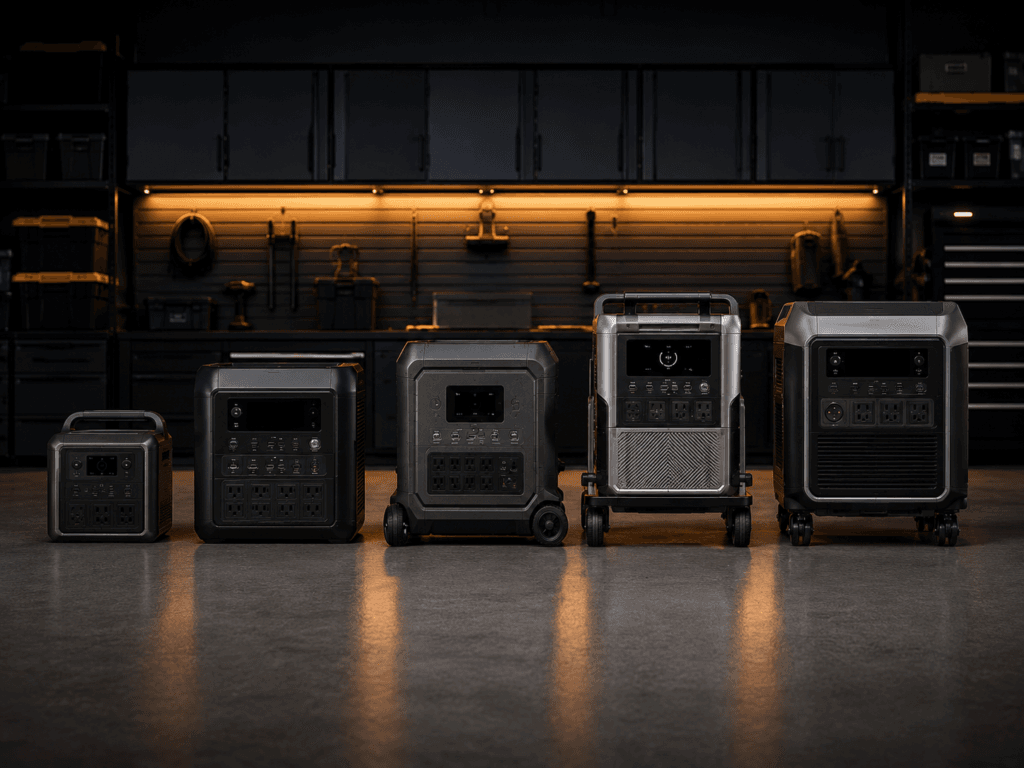
Choosing a Portable Power Station by RV Type
The right portable power station for RV use depends heavily on what kind of rig you have and how you use it, which is why the best portable power station for RV buyers cannot be chosen by capacity alone. The best portable power station for RV owners in a van is usually not the same choice a Class A owner should make.
| RV Type | Recommended Direction | Key Consideration |
|---|---|---|
| Van / converted vehicle | 1kWh to 2kWh class | Weight and size matter most; prioritize solar input per pound |
| Travel trailer / pop-up | 2kWh to 3kWh class | Good balance of capacity and portability for weekend trips |
| Class C motorhome | 3kWh class with TT-30R or Anderson DC | DC outputs and solar charging matter more once you go off-hookup |
| Class A / large fifth wheel | 4kWh+ or expandable platform | Output headroom and an expansion path matter more at this scale |
| Full-time RV living | 5kWh+ or multi-unit setup with solar | Long-term reliability, warranty, and daily solar recovery are the priorities |
How Much Power Does an RV Actually Need?
Less than you think for basics. More than you think once you add a refrigerator.
Sizing the best portable power station for RV use starts with your actual overnight draw, not the headline battery number. A 1kWh station handles phones, router, laptops, LED lights, and a small fan through a normal night without much stress. Add a compressor refrigerator and you are probably drawing 50-100Wh per hour depending on the fridge and ambient temperature, and that changes the overnight calculation fast. Add an air conditioner and you are no longer in portable power station territory. You need a generator, a very large battery bank, or both.
Key loads to calculate before buying:
- Compressor refrigerator: check the spec label for running watts, not just startup surge
- CPAP: draw varies significantly by machine, pressure setting, and whether you use a heated humidifier
- Roof fan or 12V fan, usually low draw but running all night
- Phones, laptops, cameras
- Any AC appliance you plan to run regularly
PowerLabPro’s portable power station sizing guide walks through the math appliance by appliance. The most common mistake is buying on the headline battery number without totaling the actual overnight load first.
Solar Charging for the Best Portable Power Station for RV Use
Solar matters more for a portable power station for RV use case than almost any other context, because it is often your only recharge path. At a campsite without hookups, you have solar, a generator, or a car charging cable. That is the full list.
What most buyers miss is the input ceiling. A 3kWh battery with 200W of solar input will take 15+ hours to fully recover under ideal conditions, which means you are probably never getting a complete recharge in a single day. A 3kWh battery with 2,400W solar input can do it in a few hours when the sun cooperates. That difference is not marginal. It determines whether the system actually works for multi-day boondocking.
Real output is usually 60-70% of the rated solar input ceiling under average conditions. Plan for that, not the spec sheet maximum. Trees, overcast days, low sun angles, and high temperatures all cut into actual charging. Treat solar as your recovery tool and plan your battery reserve accordingly.
For panel selection and compatibility with these units, see PowerLabPro’s guide to portable solar panels for power stations.
Common Mistakes When Choosing the Best Portable Power Station for RV
Buying based on marketing, not your actual load
The spec sheet shows peak numbers under ideal conditions. Your actual overnight draw, including fridge cycling, fan running, CPAP on, and phones charging, is what matters. Calculate it before choosing capacity.
Assuming 1kWh is enough for extended off-grid trips
For van life and weekend camping with moderate use, 1kWh works. For multi-night boondocking with a compressor refrigerator and no reliable solar recovery, it is not enough. Know which situation you are buying for.
Ignoring DC output options
Many RV loads run on 12V DC natively. A power station with Anderson DC or a 12V car-style output runs those loads directly and more efficiently than converting everything through the AC inverter. The efficiency loss from AC conversion adds up across a full night.
Treating solar charging as guaranteed
Solar charges at rated speed only under ideal conditions. In practice, shade, weather, panel angle, and temperature typically reduce real output to 60-70% of the rated maximum. Build a conservative estimate into your plan.
Expecting 240V from a single portable unit
Most portable power stations are 120V only. The Jackery Explorer 5000 Plus provides native 240V from one box. The Anker SOLIX F3000 requires two units and a hub. Always verify voltage specs before assuming compatibility with 240V appliances or RV equipment.
Best Portable Power Station for RV FAQ
Can a portable power station replace an RV generator?
For most everyday RV loads, including phones, laptops, router, lights, compressor fridge, fan, and CPAP, the best portable power station for RV use can replace or significantly reduce generator use. For air conditioning, high-draw tools, or very long outages without solar access, a generator or much larger battery system may still be needed.
What size portable power station do I need for RV use?
The best portable power station for RV van life and weekend camping usually starts in the 1kWh to 2kWh class. Moderate RV use with refrigerator usually points to 2kWh to 3kWh. Serious boondocking or full-time RV use usually needs 4kWh and above with solar charging. Always verify your actual load list before choosing capacity.
Is LiFePO4 the best battery chemistry for RV power stations?
LiFePO4 is generally considered the best chemistry for frequent-use RV scenarios. It delivers 3,000 or more charge cycles before significant degradation, better thermal stability across temperature ranges, and more reliable long-term performance than NMC lithium-ion alternatives.
Can I use a portable power station for RV air conditioning?
Small RV air conditioners typically draw 1,200W to 1,500W or more. A portable power station may run one for a limited time, but you must verify the AC unit’s starting surge wattage against the power station’s rated surge output and total capacity before relying on it.
Does the Anker SOLIX F3000 work with RV shore-power connections?
The F3000 includes a TT-30R outlet path, which is the standard 30-amp RV shore-power connector. This makes it more directly RV-compatible than most portable power stations. Verify the adapter and wiring requirements for your specific rig before connecting.
Is the Goal Zero Yeti PRO 4000 worth it for RV use?
For serious boondockers and full-season RVers, the Yeti PRO 4000’s 3,994Wh capacity, 3,600W output, and 3,000W solar input ceiling make it a strong option when paired with a real solar array. It is not worth the weight and cost for occasional campers who have electrical hookups most of the time.
Final Verdict
For most RV buyers, the Anker SOLIX F3000 is the right call. Not because it has the most watt-hours on this list, but because it is the only unit here that actually speaks RV language. The TT-30R outlet and Anderson DC output are the details that separate a power station designed for RV use from one that happens to be large enough to use in an RV.
If you want the best portable power station for RV travel without dragging around a 90 lb battery, the EcoFlow DELTA 3 Plus is the answer for van lifers and weekend campers. The BLUETTI AC200L is the sensible midpoint for most weekend RVers who need more than 1kWh but less than a rolling platform. The Goal Zero Yeti PRO 4000 is built for people who take boondocking seriously and want a platform purpose-designed for it. The Jackery Explorer 5000 Plus exists for full-timers who need native 240V output. If that is not you, you do not need it.
Before publishing: verify Amazon availability for the Goal Zero Yeti PRO 4000, confirm Amazon plugin output for all five products, and check that affiliate links are tracking correctly.
Final Recommendation
For most RV buyers, Anker SOLIX F3000 is the strongest overall pick because it delivers 3,072Wh of LiFePO4 capacity, RV-specific output paths including TT-30R and Anderson DC, rolling portability, and 2,400W solar input headroom. EcoFlow DELTA 3 Plus is the better pick for van life and weekend camping. BLUETTI AC200L is the balanced 2kWh-class choice. Goal Zero Yeti PRO 4000 is best for serious boondockers who need 4kWh+ capacity and RV integration kits. Jackery Explorer 5000 Plus is reserved for full-time RVers who need native 120V/240V output and maximum expandable capacity.
Frequently Asked Questions
Can a portable power station replace an RV generator?
For most everyday RV loads — phones, laptops, router, lights, compressor fridge, fan, and CPAP — a good portable power station can replace or significantly reduce generator use. For air conditioning, high-draw tools, or very long outages without solar access, a generator or much larger battery system may still be needed.
What size portable power station do I need for RV use?
Van life and weekend camping: 1kWh to 2kWh class. Moderate RV use with refrigerator: 2kWh to 3kWh class. Serious boondocking or full-time RV use: 4kWh and above with solar charging. Always verify your actual load list before choosing capacity.
Is LiFePO4 the best battery chemistry for RV power stations?
LiFePO4 is generally considered the best chemistry for frequent-use RV scenarios. It delivers 3,000 or more charge cycles before significant degradation, better thermal stability across temperature ranges, and more reliable long-term performance than NMC lithium-ion alternatives.
Can I use a portable power station for RV air conditioning?
Small RV air conditioners typically draw 1,200W to 1,500W or more. A portable power station may run a small RV air conditioner for a limited time, but you must verify the AC unit's starting surge wattage against the power station's rated surge output and total available capacity before relying on it.
Does the Anker SOLIX F3000 work with RV shore-power connections?
The F3000 includes a TT-30R outlet path, which is the standard 30-amp RV shore-power connector. This makes it more directly RV-compatible than most portable power stations. Verify the adapter and wiring requirements for your specific rig before connecting.
Is the Goal Zero Yeti PRO 4000 worth it for RV use?
For serious boondockers and full-season RVers, the Yeti PRO 4000's 3,994Wh capacity, 3,600W output, and 3,000W solar input ceiling make it a strong option when paired with a real solar array. It is not worth the weight and cost for occasional campers who have electrical hookups most of the time.