
Buying Guide
Portable Power Station for Pellet Stove Backup: 3 Practical Picks
Portable power station for pellet stove backup guide with three verified picks for portable 1kWh backup, higher-output 1kWh flexibility, and a larger 2kWh energy reserve.
Product Shortlist
Featured products
Product
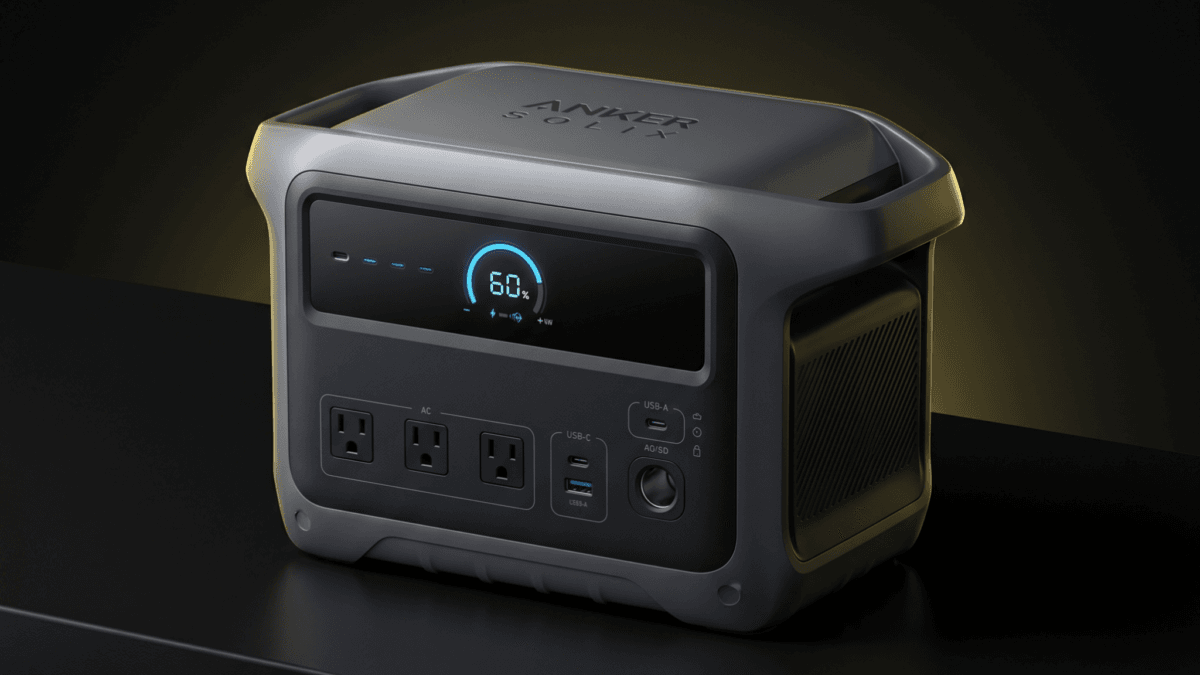
Anker SOLIX C1000 Gen 2 Portable Power Station
Compact 1,024Wh portable power station with 2,000W output, 3,000W peak, 49-minute fast AC recharge, 600W solar input, and 10 ms UPS support for home backup, camping, and RV use.
Product
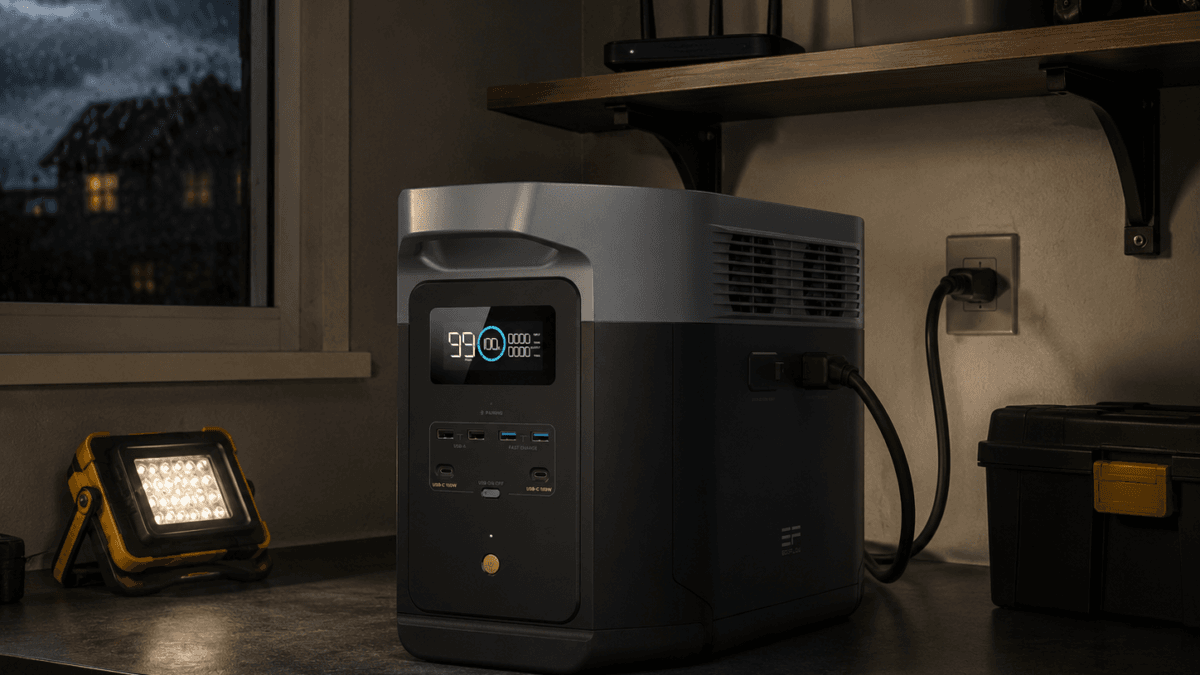
EcoFlow DELTA 2 Max
The EcoFlow DELTA 2 Max portable power station delivers 2048Wh LiFePO4 capacity, 2400W output, and fast 43-minute charging. Built for expandable home backup, RV solar use, and buyers who need room to grow.
Product
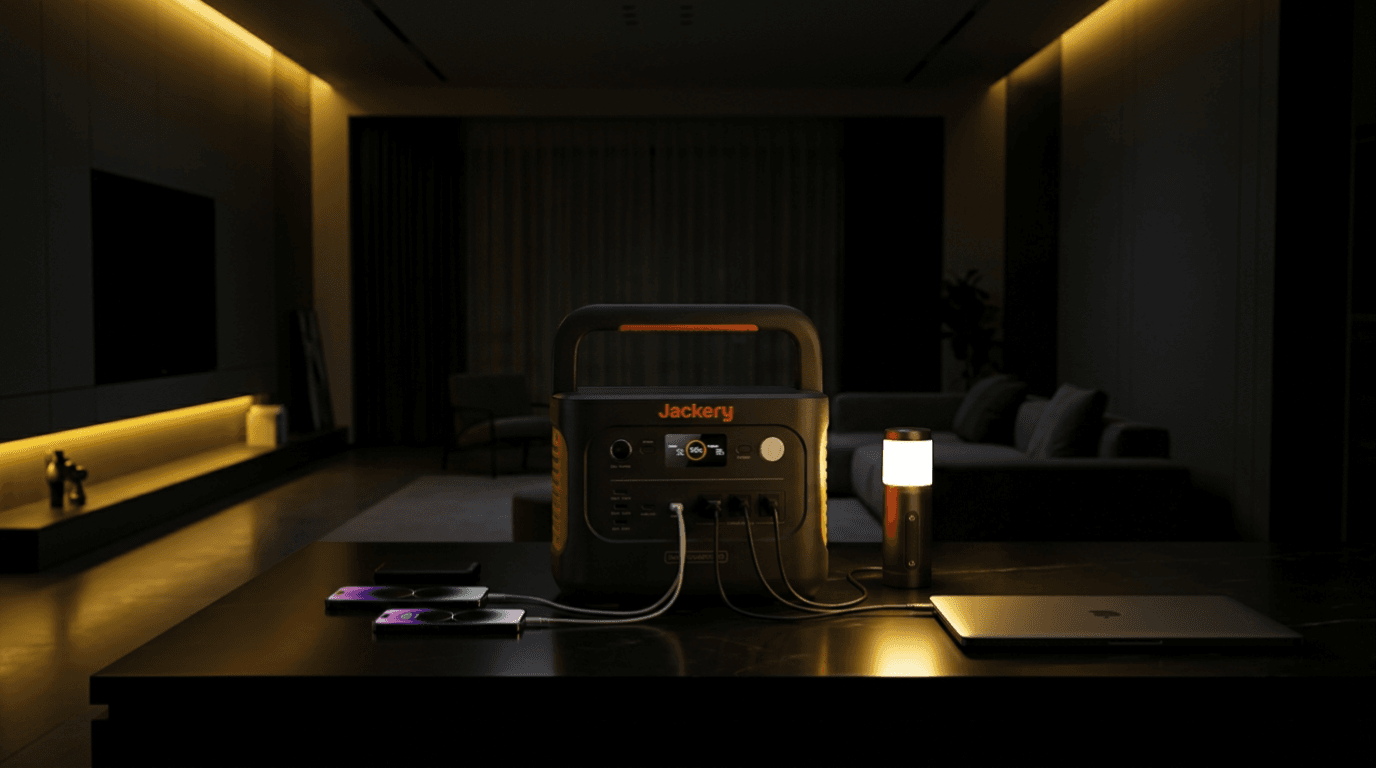
Jackery Explorer 1000 v2 Portable Power Station
Jackery Explorer 1000 v2 is a 1070Wh LiFePO4 portable power station with 1500W AC output, 3000W surge capacity, app control, and up to 400W solar input. It fits camping, road trips, apartment backup, and light home emergency use.
This article may contain affiliate links. If you buy through these links, PowerLabPro may earn a commission at no extra cost to you. As an Amazon Associate I earn from qualifying purchases.
A portable power station for pellet stove backup must do more than keep the visible flame going. A pellet stove normally depends on electricity for controls, fuel feed, blowers, ignition, and a controlled shutdown cycle. The right portable power station for pellet stove backup therefore has to support the stove’s complete electrical behavior while storing enough energy for the outage duration you are planning around.
This Buying Guide owns the commercial product-selection decision. PowerLabPro’s existing pellet-stove runtime guide remains the informational owner for measuring a complete cycle and estimating realistic runtime. The three products here have distinct roles: Jackery Explorer 1000 v2 is the portable 1kWh default, Anker SOLIX C1000 Gen 2 offers more continuous-output headroom in the same energy class, and EcoFlow DELTA 2 Max provides a larger 2,048Wh reserve with expansion.
PowerLabPro has not performed hands-on pellet-stove tests with any portable power station for pellet stove backup in this guide and does not claim a fixed number of stove hours. Pellet appliances vary too much for a universal runtime promise. Use the exact stove manual, measured electrical behavior where practical, and the manufacturer’s shutdown instructions before relying on any battery system.
- Quick pick for many homes: Jackery Explorer 1000 v2 when the complete stove cycle fits a 1,500W inverter and a 1,070Wh battery covers the intended window.
- Best higher-output 1kWh choice: Anker SOLIX C1000 Gen 2 when the measured load benefits from 2,000W continuous headroom or faster recovery.
- Best larger reserve: EcoFlow DELTA 2 Max when a measured 1kWh plan is too short and the household can justify a 2,048Wh base plus optional expansion.
- Look elsewhere: the stove is hardwired, the manual prohibits the connection method, the controls do not tolerate transfer behavior, safe shutdown cannot be preserved, or dependable heating is a medical or life-safety requirement.
Table of Contents
How to choose a portable power station for pellet stove backup
Start by reading the stove manual and identifying its plug and circuit requirements. Then document the complete operating cycle when practical: cold ignition, normal burn, feed-motor operation, blower changes, thermostat cycling, and shutdown. A portable power station for pellet stove backup can have plenty of battery capacity yet fail if the inverter cannot support the highest normal part of that sequence.
After output compatibility is established, size watt-hours from the duration you need. A short utility interruption is different from a winter night. Keep a reserve for the shutdown cycle and any communications or lights sharing the battery. Do not plan to run a portable power station for pellet stove backup to zero while the stove still needs power to cool down correctly.
Finally, choose a recharge path. AC charging is useful when grid power returns intermittently. Solar can extend a longer outage when weather and panel placement cooperate. A portable power station for pellet stove backup without a realistic recovery plan remains a finite battery no matter how large its nameplate capacity appears.
Quick comparison of the three picks
| Pick | Verified key specs | Distinct role | Main trade-off |
|---|---|---|---|
| Jackery Explorer 1000 v2 | 1,070Wh, 1,500W continuous, 3,000W surge, up to 400W solar, about 23.8 lb | Portable 1kWh default | Less inverter headroom than Anker or EcoFlow |
| Anker SOLIX C1000 Gen 2 | 1,024Wh, 2,000W continuous, 3,000W peak, 600W solar, 24.9 lb | Higher-output 1kWh option | Slightly less stored energy than Jackery |
| EcoFlow DELTA 2 Max | 2,048Wh, 2,400W continuous, 4,800W surge, 1,000W solar, about 50 lb | Longer base reserve and expansion | Much heavier chassis |
These portable power station for pellet stove picks are not ranked by a claimed number of stove hours. Jackery is the balanced portable default. Anker provides more continuous-output headroom without moving to a larger battery class. EcoFlow doubles the base energy and can expand further, which matters only when a measured longer-outage requirement justifies the additional weight and cost.
1. Jackery Explorer 1000 v2: best overall balance
The Jackery Explorer 1000 v2 is the best starting point for many households because it combines a 1,070Wh LiFePO4 battery, 1,500W rated continuous output, 3,000W surge rating, and weight around 23.8 lb. A pellet stove whose complete electrical cycle fits comfortably below those limits can therefore be backed by a portable power station for pellet stove use that remains practical to move during an outage.
For a portable power station for pellet stove plan, the 1,070Wh capacity is large enough to be useful but small enough that the buyer is encouraged to measure rather than assume multi-day operation. A household that knows the stove’s representative cycle can decide whether one 1kWh battery covers the required period, whether recharging is available, or whether a 2kWh platform is justified.
Best for: a cord-connected pellet stove whose complete cycle fits within a 1,500W inverter and whose measured energy target fits roughly 1kWh.
Not ideal for: a stove with higher verified continuous demand, a hardwired appliance, or a long winter outage that clearly exceeds a 1kWh reserve.
Main advantage: 1,070Wh capacity in a comparatively portable 23.8 lb body.
Main trade-off: lower continuous-output headroom than the Anker and half the nominal energy of the EcoFlow.
Why it belongs in this guide: it is the strongest default portable power station for pellet stove use when the actual stove does not require a larger inverter or battery bank.
Better alternative if: choose Anker when measured output headroom matters more, or EcoFlow when duration is the real constraint.
Related Review: Jackery Explorer 1000 v2 Review. See the Jackery Explorer 1000 v2 Product page.
Official source: Jackery Explorer 1000 v2 product information.

- Powerful yet Compact: Boasting a 1,500W AC output and a 3,000W surge peak, the Solar Generator 1000 V2 can power multipl…
- One Hour Fast Charging: Charge your Explorer 1000 v2 Portable Power Station from 0% to 100% battery level in just one ho…
- 10 Year Lifespan: The Explorer 1000 v2 portable power station is equipped with a durable LFP battery, maintaining over 7…
2. Anker SOLIX C1000 Gen 2: best higher-output 1kWh option
The Anker SOLIX C1000 Gen 2 stores 1,024Wh, almost the same energy as the Jackery, but increases continuous output to 2,000W. Its current U.S. specifications also list 3,000W peak output, up to 600W solar input, and 24.9 lb weight. This makes Anker attractive when a portable power station for pellet stove plan needs more inverter headroom even though the desired runtime still fits a 1kWh battery.
The output margin should not be used to invent a surge requirement for a pellet stove. Measure the stove or use manufacturer documentation. The Anker simply gives more inverter space for a verified load and a few low-draw essentials that may share the portable power station for pellet stove backup. It can also recover quickly from AC when utility power returns for a limited period.
Best for: a verified stove cycle that benefits from more than 1,500W of inverter headroom, faster AC recovery, or 600W solar input while a 1kWh energy class remains sufficient.
Not ideal for: a household whose measured problem is duration rather than output.
Main advantage: 2,000W continuous output with a 1,024Wh battery in a 24.9 lb package.
Main trade-off: nearly the same energy as Jackery, so the higher inverter does not create longer runtime by itself.
Why it belongs in this guide: it gives buyers a higher-output alternative when choosing a portable power station for pellet stove backup without forcing them into a 2kWh chassis.
Better alternative if: choose Jackery when portability and a simple 1.5kW inverter are enough, or EcoFlow when measured watt-hours are the limiting factor.
Related Review: Anker SOLIX C1000 Gen 2 Review. See the Anker SOLIX C1000 Gen 2 Product page.
Official source: Anker SOLIX C1000 Gen 2 product information.
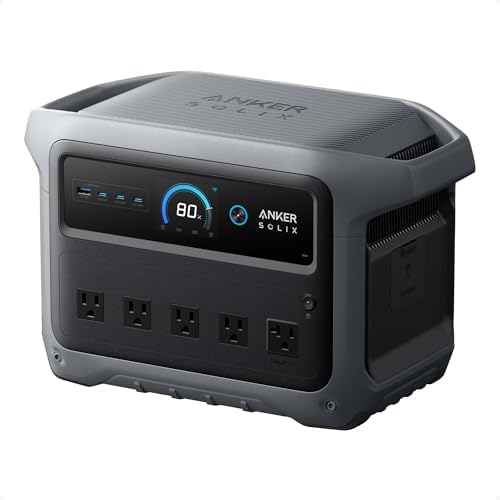
- 49 Min UltraFast Recharging: With upgraded HyperFlash tech, fully recharge at 1,600W—for outage prepping, camping trips,…
- 2,000W Output via 10 Ports: Delivers 2,000W (3,000W peak) and 1,024Wh capacity. Power up to 10 devices—ideal for emergen…
- Compact and Portable: Easily carry, store, and move from room to room, your RV, or even on beach and park outings. C1000…
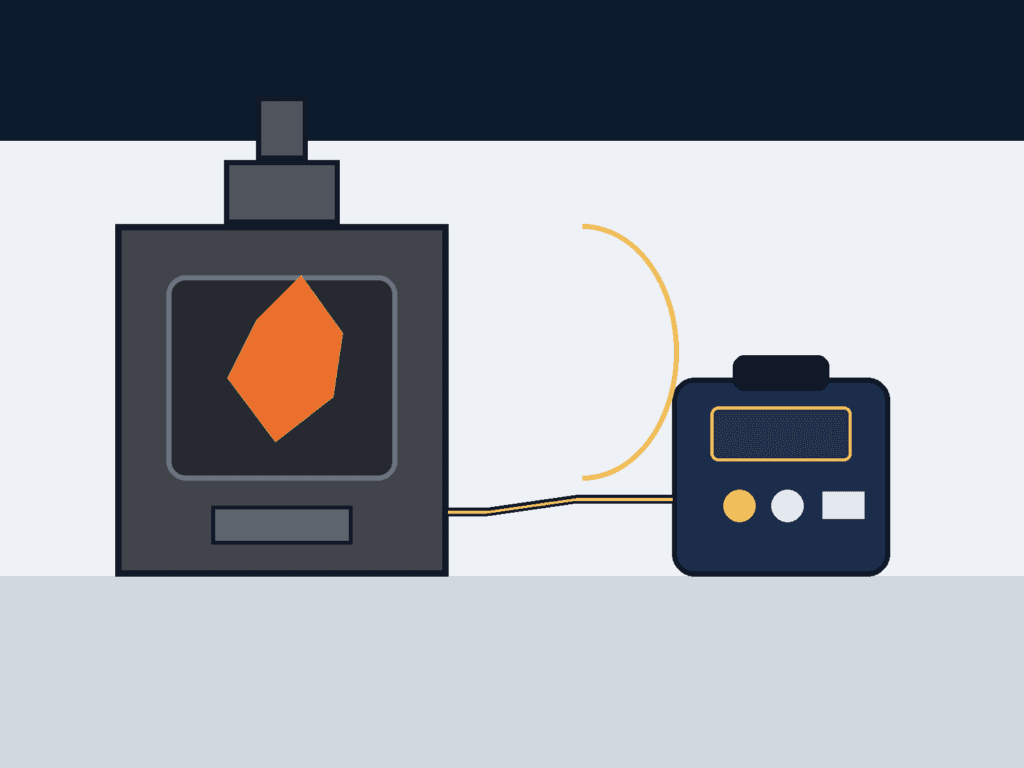
3. EcoFlow DELTA 2 Max: best larger reserve
The EcoFlow DELTA 2 Max is the choice when a measured outage plan proves that roughly 1kWh is not enough. It starts at 2,048Wh and provides 2,400W continuous AC output. Current U.S. specifications list up to 1,000W solar input and support for compatible extra batteries, taking the platform to 6,144Wh when a much longer energy reserve is genuinely needed.
This is the portable power station for pellet stove option to consider for longer winter interruptions, a stove that runs much of the day, or a household that also needs refrigeration, communications, and other essentials from the same battery. The larger reserve should still be divided into priorities. A 2kWh battery can be consumed quickly when unrelated high-watt appliances are added during an outage.
Best for: households whose measured 1kWh plan is too short, longer winter interruptions, and users who may need a supported expansion path.
Not ideal for: buyers who must move the station frequently or whose measured stove energy fits comfortably in a smaller 1kWh battery.
Main advantage: 2,048Wh base capacity, 2,400W continuous output, 1,000W solar input, and supported expansion.
Main trade-off: about 50 lb weight makes it much less convenient to deploy than the 1kWh picks.
Why it belongs in this guide: it addresses the duration problem directly when choosing a portable power station for pellet stove backup instead of substituting more inverter watts for more stored energy.
Better alternative if: choose Jackery or Anker when the measured outage window fits roughly 1kWh and easier handling matters more.
Related Review: EcoFlow DELTA 2 Max Review. See the EcoFlow DELTA 2 Max Product page.
Official source: EcoFlow DELTA 2 Max product information.

- Fuel up 80% in Only 43 Mins: With DELTA 2 Max’s upgraded tech, combine up to 1000W solar input with AC for world-leading…
- 10-Year Long-Lasting LFP Battery: LFP battery chemistry provides 3000 cycles till it lowers to 80% capacity. That’s 6 mo…
- Expandable Capacity from 2kWh to 6kWh: Triple the capacity of DELTA 2 Max with up to 2 extra solar powered batteries. Cu…
Why the complete pellet-stove cycle matters
A pellet stove does not behave like a light bulb with one constant watt number. Ignition can involve an electric igniter. Feed motors move pellets. Combustion and room-air blowers may change speed. Controls and sensors remain active. A thermostat can change the operating state. During shutdown, blowers and controls may continue after visible burning has reduced.
That is why any portable power station for pellet stove decision should start with the PowerLabPro runtime article’s complete-cycle method instead of copying one watt figure. A battery sized only from steady-state operation can underestimate ignition or shutdown. A battery sized from the highest momentary draw as if it ran continuously can greatly overestimate daily energy use. Output and energy are separate questions.
Before buying a portable power station for pellet stove backup, run the stove normally while grid power is available and record relevant electrical information if you can do so safely. Do not open electrical panels or defeat stove safety systems to measure it. A plug-in meter can be appropriate for a standard cord-connected appliance when the meter is correctly rated and the stove manufacturer does not prohibit its use.
Size capacity from measured watt-hours
Once the stove’s electrical cycle is understood, estimate the energy a portable power station for pellet stove backup must supply over the hours that matter. A thermostat-controlled stove can cycle differently with outdoor temperature, insulation, fuel setting, blower speed, and room demand. Do not treat one warm-day measurement as a guarantee for the coldest night of the year.
Keep a reserve for safe shutdown. If the plan needs the stove to stop before the battery is depleted, decide the shutdown threshold in advance. That can mean initiating shutdown while the portable power station for pellet stove backup still has a comfortable reserve rather than waiting for a low-battery alarm. The exact reserve depends on the stove’s shutdown duration, winter conditions, and other connected loads.
Use the pellet-stove runtime guide for the full calculation framework and the general power-station sizing guide when the battery also supports other household devices. This page intentionally does not duplicate a runtime table built on assumed stove wattage.
Output, ignition, blowers, and motor startup
The inverter in a portable power station for pellet stove backup must support the stove during every normal operating state. The inverter should also tolerate legitimate startup demand from the igniter, motors, or blowers. Because pellet-stove designs vary, use the stove manual or a measured load rather than assuming every appliance needs the same surge margin.
All three portable power station for pellet stove picks provide substantially more continuous output than many individual pellet-stove electrical systems are likely to need, but that observation is not a compatibility guarantee. The exact stove can have unusual controls, motors, power-factor behavior, or electrical requirements. Check waveform, grounding behavior, UPS mode, and outlet configuration against the appliance manual when relevant.
Do not add a space heater, kettle, microwave, or other high-watt appliance to the same portable power station for pellet stove backup simply because the stove itself has modest draw. Those loads can consume the battery reserve intended for heating continuity and shutdown.
Protect the shutdown cycle
The safest battery plan includes enough energy to let the stove complete the manufacturer-required shutdown and cooling process. Do not assume the stove can be unplugged as soon as the flame appears to be out. Many pellet appliances continue using blowers or controls after active burning has reduced.
Set a battery threshold that triggers planned shutdown before the portable power station for pellet stove backup reaches a critical low state of charge. The threshold should account for the stove’s known shutdown duration, winter conditions, battery reserve, and any other devices sharing the station. If the appliance manual gives specific power-failure instructions, those instructions control.
A portable power station for pellet stove backup is most valuable when it turns an uncontrolled utility outage into a controlled appliance shutdown or a measured period of continued heat. It should never encourage the owner to keep the stove running until the battery abruptly disconnects.
UPS features and outage transfer
A portable power station for pellet stove backup may advertise UPS or EPS-style switching, but transfer time is not universal appliance compatibility. Jackery, Anker, and EcoFlow provide continuity features on current product lines, yet a pellet stove’s control board may respond differently to a brief interruption. Test the exact stove only when the manufacturer permits the setup and the test can be performed safely.
Do not assume a sub-20ms or 10ms manufacturer claim is equivalent to an online, zero-transfer UPS for every load. The system also needs enough battery energy, correct grounding, and compatible outlet behavior. For a heating appliance, the objective is reliable operation and safe shutdown, not winning a transfer-time specification contest.
AC and solar recovery during longer outages
AC recovery matters when utility power returns briefly or a compatible charging source is available under the manufacturer’s rules for the chosen portable power station for pellet stove backup. Solar can reduce battery decline during daylight. Jackery supports up to 400W solar input on the Explorer 1000 v2 configuration used here, Anker up to 600W, and EcoFlow up to 1,000W.
Winter solar can be limited by short days, clouds, low sun angle, snow, and panel placement, so do not size a heating backup plan around the assumption that the solar ceiling will be reached every day. A good long-outage strategy compares realistic daily energy used by the stove with realistic daily energy recovered.
If consumption consistently exceeds recovery, the battery will eventually empty regardless of expansion capacity. A larger EcoFlow system buys more time; it does not eliminate the energy balance.
Placement, heat, ash, and cable safety
Keep the portable power station for pellet stove backup away from the stove’s hot surfaces, exhaust path, ash, fuel-handling area, and required appliance clearances. Do not place the battery where pellets, cleaning debris, sparks, or hot tools can reach it. Keep the station on a stable, dry surface with its own ventilation openings clear.
Route the AC cable so it is not pinched by doors, exposed to a hot stove body, or stretched across a walkway. Avoid damaged extension cords and unnecessary adapters. If an extension cord is required and permitted, use a properly rated cord and keep connections accessible, dry, and away from heat.
For general outage preparation, review Ready.gov power-outage guidance.
Build a cold-weather outage plan around the stove
Before winter, charge the portable power station for pellet stove backup, test the cord layout, confirm the stove’s normal shutdown process, and decide which other devices may share the battery. Keep pellet supply, stove maintenance, smoke and carbon-monoxide alarms, communications, lighting, and a secondary warming plan in the broader emergency checklist. The battery is only one part of heating resilience.
Write down the point at which the stove should be shut down if the outage continues. Also decide how the portable power station for pellet stove backup will be recharged if utility power remains out. A household that knows its load and threshold can make a calm decision before the battery becomes critically low.
Test the system during normal conditions without defeating any stove safety feature. The goal is to learn whether the inverter accepts the stove, how much energy a representative complete cycle consumes, whether the controls tolerate transfer behavior, and whether the cable placement is safe.
Common pellet-stove backup mistakes
- Using one generic stove wattage: ignition, normal burn, blower changes, and shutdown can differ.
- Ignoring shutdown energy: the stove may still need electricity after visible burning falls.
- Choosing by inverter watts alone: a high-output portable power station for pellet stove backup can still have insufficient watt-hours.
- Choosing by watt-hours alone: a large battery does not fix an incompatible inverter or transfer behavior.
- Assuming winter solar reaches its ceiling: short days and weather can reduce recovery substantially.
- Putting the portable power station for pellet stove backup near heat or ash: maintain safe physical separation and ventilation.
Final recommendation by outage duration
Choose Jackery Explorer 1000 v2 when the measured stove cycle fits a 1,500W inverter and the priority is a portable 1,070Wh battery. Choose Anker C1000 Gen 2 when the measured load benefits from 2,000W continuous output or faster charging while the energy target still fits roughly 1kWh.
Choose EcoFlow DELTA 2 Max when a measured 1kWh plan is clearly too short and the household can justify a 2,048Wh base battery, 1,000W solar ceiling, and optional expansion. The best portable power station for pellet stove backup is the smallest verified station that supports the complete stove cycle, keeps a shutdown reserve, and fits the household’s realistic recharge plan.
FAQ
What size power station is best for a pellet stove?
Use the exact stove’s electrical requirements and measured complete-cycle energy. The portable power station for pellet stove backup must support ignition, normal operation, blowers or motors, and shutdown. Size watt-hours to the outage duration and keep reserve instead of relying on a generic runtime promise.
Is 1000Wh enough?
For a portable power station for pellet stove plan, 1,000Wh can be enough in some cases, but the answer depends on the stove, settings, cycling, temperature, and desired hours. Measure or document the complete electrical cycle and plan for conversion losses plus safe shutdown.
Does a pellet stove need surge power?
Ignition and motor or blower startup can create different demand from normal operation, but the exact behavior is stove-specific. Use manufacturer information or measurement instead of assigning one surge figure to every pellet stove.
Can I turn off the battery when the flame goes out?
Do not remove power until the stove has completed the shutdown and cooling process required by its manufacturer. The appliance may still need blowers and controls after visible burning has reduced.
Final Recommendation
The Jackery Explorer 1000 v2 is the best balanced portable power station for pellet stove backup when a 1,070Wh battery, 1,500W inverter, low weight, and simple cord-connected setup fit the measured stove cycle. Choose Anker SOLIX C1000 Gen 2 when higher continuous output and fast charging matter more. Choose EcoFlow DELTA 2 Max when a measured 1kWh plan is too short and a 2,048Wh base battery or expansion path is justified.
Frequently Asked Questions
What size portable power station is best for a pellet stove?
Start with the exact stove manual or measured complete electrical cycle. The station must cover ignition, feed motors or blowers, normal operation, and the complete shutdown cycle. Size watt-hours from measured energy and desired outage duration, not a generic runtime claim.
Is a 1000Wh power station enough for a pellet stove?
It can be enough for some pellet-stove plans, but there is no universal runtime. Igniters, feed motors, blowers, control boards, cycling behavior, temperature, and shutdown requirements differ. Measure a complete representative cycle and keep reserve.
Does a pellet stove need surge power?
Ignition and motor or blower startup can create different demand from normal operation, but the exact behavior is stove-specific. Use the stove manual or a measured load instead of assigning one surge figure to every pellet stove.
Can I turn off the power station when the flame goes out?
Do not remove power until the stove has completed the manufacturer-required shutdown and cooling cycle. Many pellet stoves still need blowers and controls after visible burning has reduced or stopped.