
Buying Guide
Best Portable Power Stations for Home Backup: 3 Smart Picks for 2026
This article may contain affiliate links. If you buy through these links, PowerLabPro may earn a commission at no extra cost to you. As an Amazon Associate I earn from qualifying purchases. The best portable power stations for home backup are not automatically the largest models. The useful choice is the one that can support […]
Product Shortlist
Featured products
Product
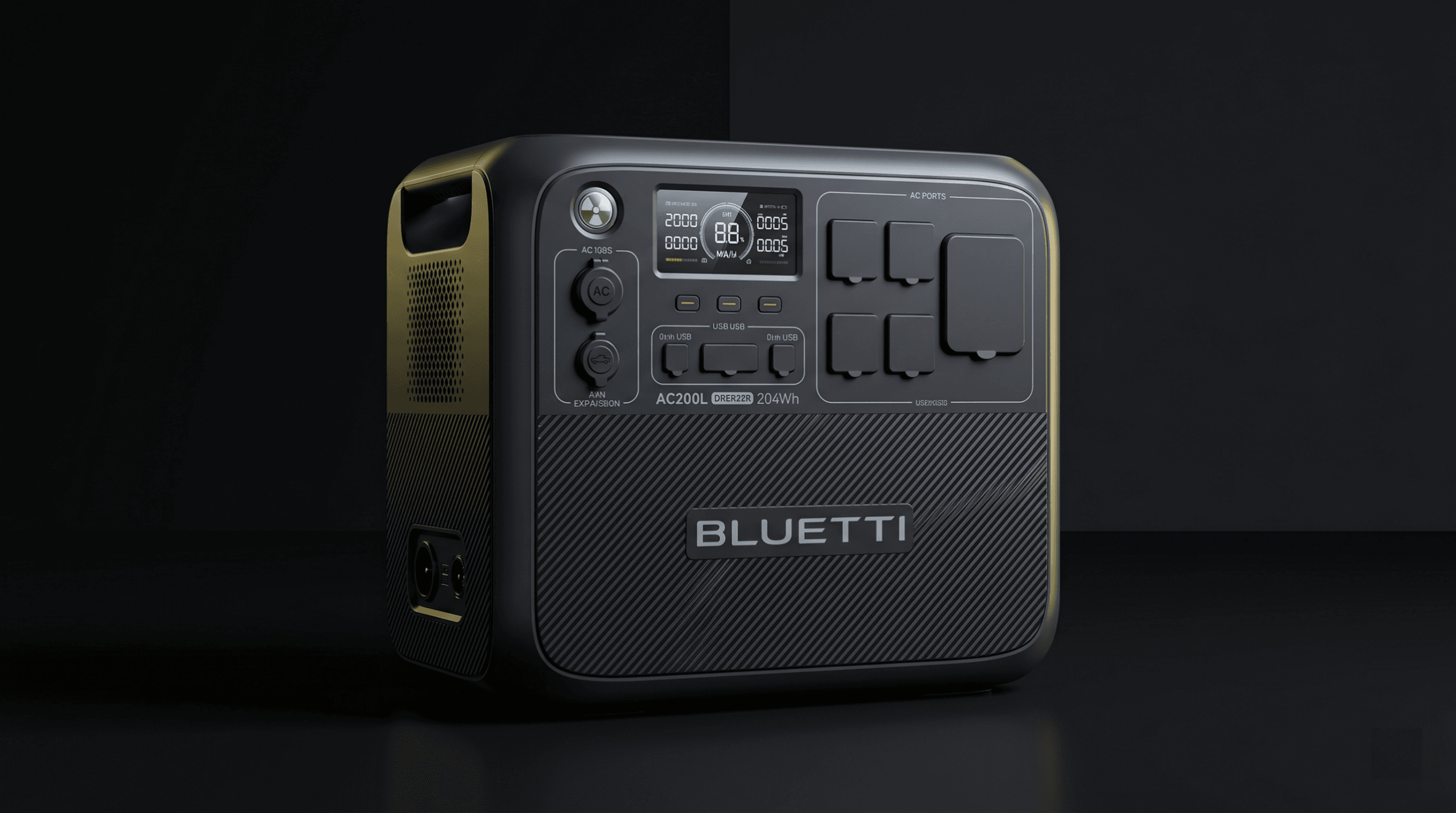
BLUETTI AC200L Portable Power Station
Expandable 2,048Wh LiFePO4 power station with 2,400W AC output, fast AC charging, strong solar input, app control, and serious backup power for RV and home use.
Product
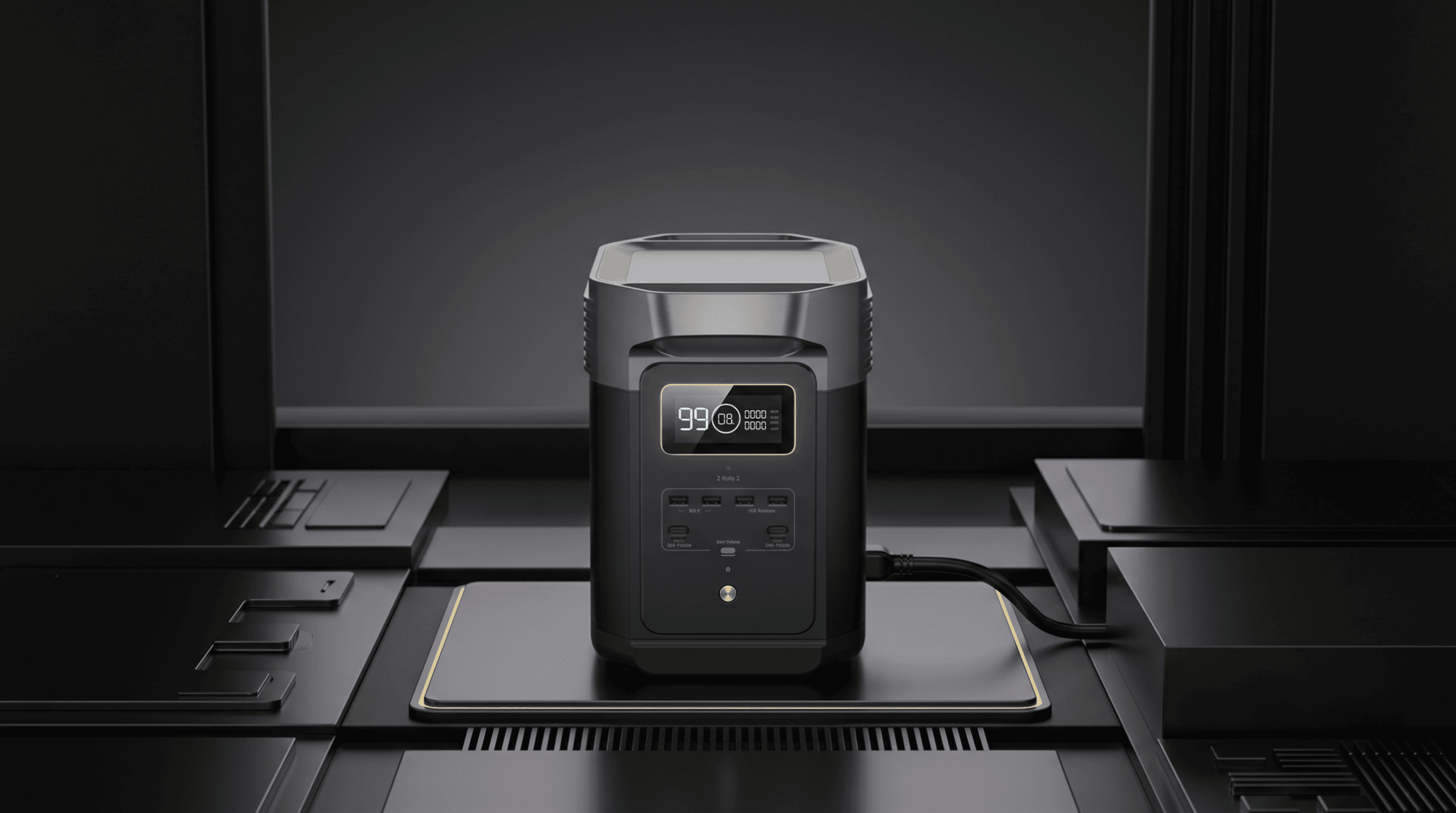
EcoFlow DELTA 2 Portable Power Station
The EcoFlow DELTA 2 is a 1024Wh portable power station with a LiFePO4 battery, 1800W AC output, 500W max solar input, Wi-Fi and Bluetooth app control, and support for one extra battery to expand capacity. It is a strong fit for home backup, camping, RV use, and emergency power.
Product
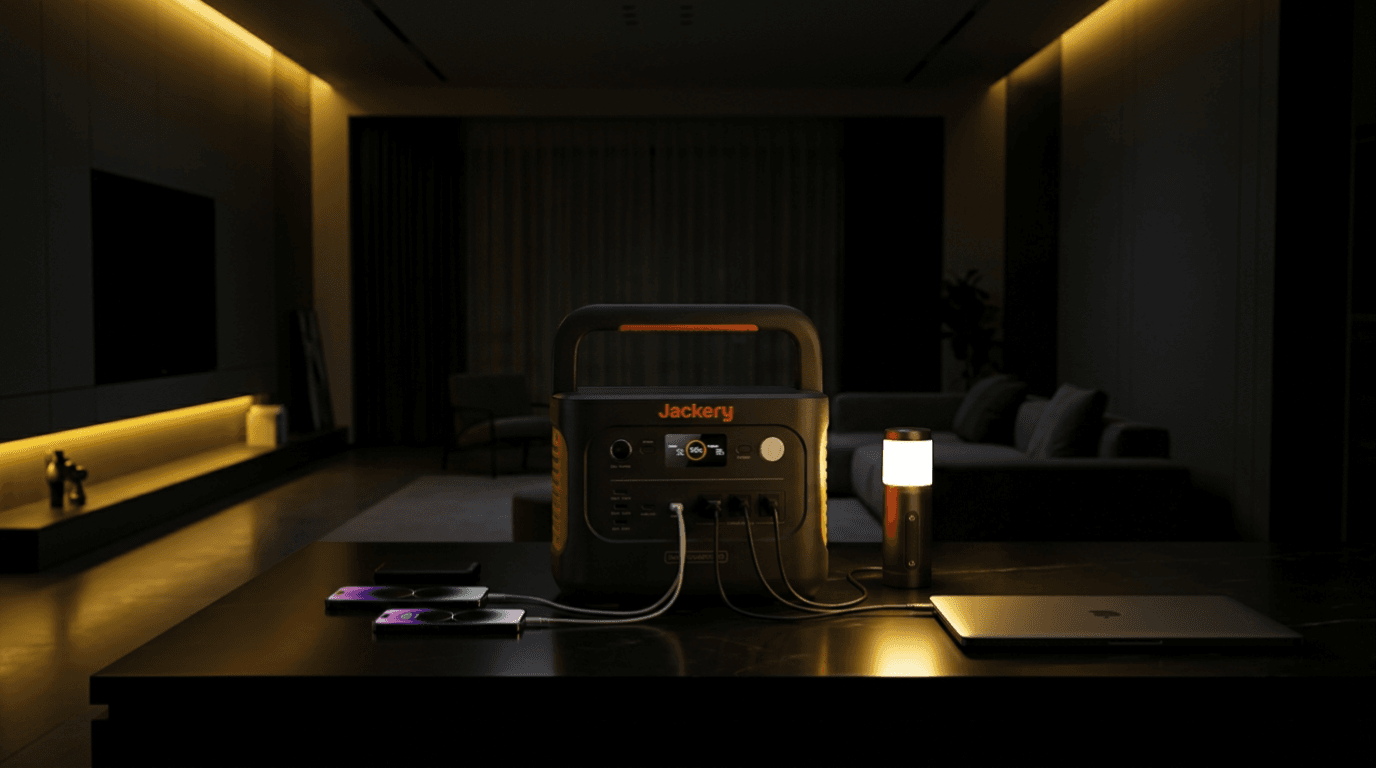
Jackery Explorer 1000 v2 Portable Power Station
Jackery Explorer 1000 v2 is a 1070Wh LiFePO4 portable power station with 1500W AC output, 3000W surge capacity, app control, and up to 400W solar input. It fits camping, road trips, apartment backup, and light home emergency use.
This article may contain affiliate links. If you buy through these links, PowerLabPro may earn a commission at no extra cost to you. As an Amazon Associate I earn from qualifying purchases.
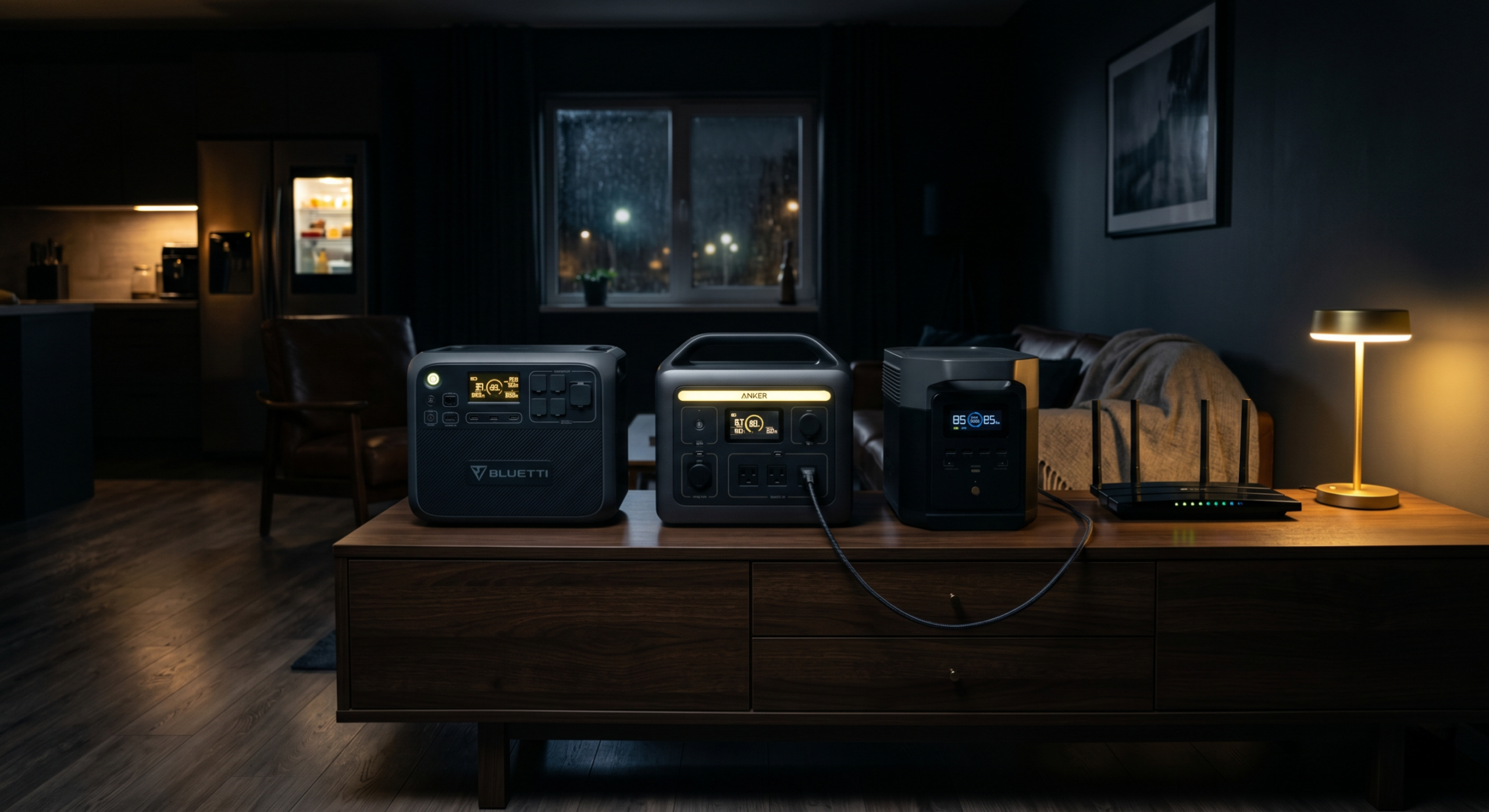
The best portable power stations for home backup are not automatically the largest models. The useful choice is the one that can support your selected essentials, has enough stored energy for the hours that matter, and can be recharged through a realistic plan. For most households, that means prioritizing refrigeration, communications, lighting, phones, remote-work gear, and modest comfort loads rather than attempting to power every circuit.
This guide compares three portable power stations for home backup with distinct buyer fits: the BLUETTI AC200L for refrigerator-plus-essentials planning, the EcoFlow DELTA 2 for controlled 1kWh backup with one expansion path, and the Jackery Explorer 1000 v2 for lighter portable essentials coverage. None replaces an installed whole-home system, and no model should be selected without checking the actual appliances you intend to run.
Table of Contents
Quick Answer: Which Home Backup Station Fits?
Choose the BLUETTI AC200L when your list includes a refrigerator after compatibility testing, communications gear, lighting, laptops, chargers, fans, and other selected essentials. Its 2,048Wh battery and 2,400W continuous AC output provide more reserve and inverter headroom than the two 1kWh-class options in this guide.
Choose the EcoFlow DELTA 2 when you want a manageable station for Wi-Fi, phones, laptop work, lighting, a fan, and carefully controlled appliance use. It starts at 1,024Wh, has 1,800W of total AC output, supports up to 500W solar input, and can expand with one compatible extra battery.
Choose the Jackery Explorer 1000 v2 when easier carrying and straightforward short-outage coverage matter more than expansion. Its 1,070Wh LiFePO4 battery, 1,500W continuous AC output, 400W solar-input ceiling, and 23.8 lb body suit basic emergency loads, apartment storage, travel, and home-office continuity.
The best portable power stations for home backup solve an identified load problem. Start with the devices that must stay on, then check their normal draw, likely startup demand, outlet type, and the number of hours you need them to operate. A higher watt number alone does not guarantee useful runtime, and a larger battery does not make an unsuitable appliance safe to run.
Compare Portable Power Stations for Home Backup
| Model | Best buyer fit | Capacity | Continuous AC output | Solar input | Weight | Expansion path | Primary trade-off |
|---|---|---|---|---|---|---|---|
| BLUETTI AC200L | Refrigerator plus selected essentials | 2,048Wh LiFePO4 | 2,400W | Up to 1,200W | 61.4 lb | Up to 8,192Wh with supported configurations | Heavy and less practical for frequent carrying |
| EcoFlow DELTA 2 | Balanced short-outage, apartment, and home-office coverage | 1,024Wh LiFePO4 | 1,800W total | Up to 500W | 27 lb | One compatible extra-battery path; 1–3kWh marketed | Less reserve for longer appliance-focused outages |
| Jackery Explorer 1000 v2 | Lighter essentials, apartment storage, and portable use | 1,070Wh LiFePO4 | 1,500W total | Up to 400W | 23.8 lb | No currently listed add-on battery path | Lower output and no modular capacity growth |
These portable power stations for home backup are not interchangeable. The AC200L is the larger, heavier choice for a broader selected-load plan. The DELTA 2 is the middle option for buyers who want 1kWh-class capacity with useful output and one expansion route. The Explorer 1000 v2 is the simpler portable option for people whose real priorities are communication, work, charging, lights, and modest essentials.


Do not use a current retail price as the deciding comparison point. Bundles, listings, and availability can change. The useful comparison is capacity, output, physical handling, recovery options, expansion, and the exact loads you expect to support.
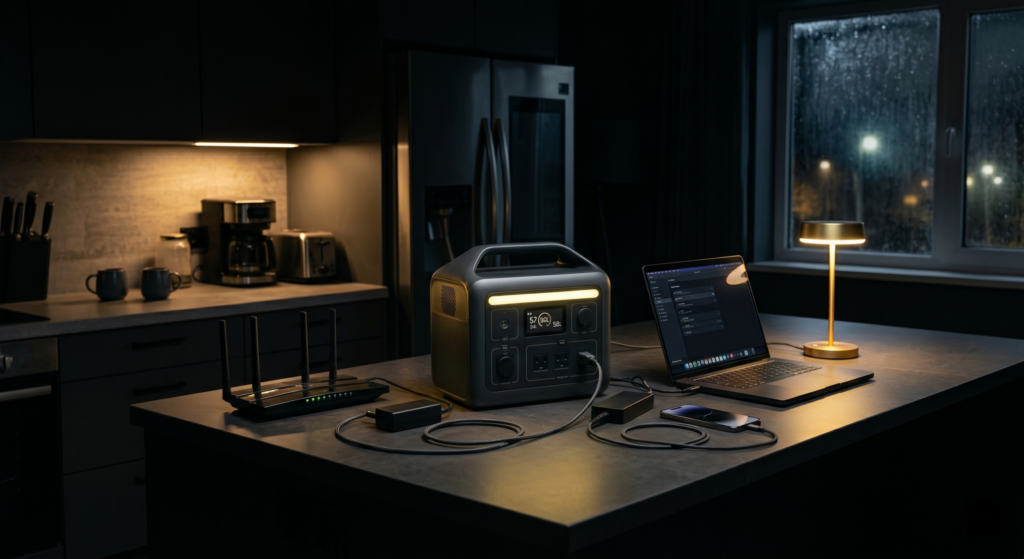
How to Size a Portable Power Station for Home Backup
Every useful home-backup plan starts with three numbers: watt-hours, continuous watts, and recovery input. Capacity in watt-hours is the energy reserve. Continuous output is the normal combined power the inverter can supply at one time. Solar, wall, or vehicle charging determines whether you can restore the battery during an extended interruption.
For portable power stations for home backup, start by separating low-draw devices from high-draw appliances. A router, modem, phone charger, LED lamp, and laptop normally create a manageable baseline. A refrigerator, microwave, coffee maker, kettle, space heater, air conditioner, pump, or cooking appliance can change the plan quickly. Some loads also have higher startup demand than their ordinary running wattage suggests.
- List the priority loads: food protection, communications, lighting, work devices, charging, or selected comfort equipment.
- Check normal draw and starting behavior: especially for refrigerators, compressors, pumps, and motor-driven tools.
- Decide the required hours: a short interruption, an overnight outage, and a multi-day outage are different capacity problems.
- Choose a recovery plan: wall charging, correctly matched solar, or a safe manufacturer-documented generator charging path.
- Test before an outage: confirm the actual refrigerator, router, laptop, or other priority device behaves as expected.
The PowerLabPro power station sizing guide helps turn that list into a realistic capacity target. It is better to buy a model that covers a measured priority list than to choose from marketing labels such as “home backup” without knowing the duration or appliance mix involved.
When comparing portable power stations for home backup, keep output and runtime separate. A 1,800W or 2,400W inverter may make a given appliance compatible, but it does not say how long the appliance can run. A 2kWh battery holds more energy than a 1kWh battery, but it still has a finite reserve and can be depleted quickly by sustained heating, cooling, or cooking loads.
BLUETTI AC200L: Best for Refrigerator Plus Essentials
The BLUETTI AC200L is the strongest choice in this guide for a selected refrigerator-plus-essentials plan. Its 2,048Wh LiFePO4 battery is roughly double the stored energy of the two 1kWh-class options, and its 2,400W continuous output provides more headroom for a refrigerator after testing, communications gear, lights, phones, laptop work, fans, and short controlled appliance use.
Its higher capacity does not make it a whole-home system. The AC200L is a 120V portable station, and every load still shares its one 2,400W continuous budget. BLUETTI lists up to 1,200W solar input, a 120V 30A TT-30 RV outlet, and supported expansion configurations up to 8,192Wh. These capabilities are useful only when the owner has a defined load list, compatible panels or equipment, safe placement, and a realistic recharging plan.
This is one of the better portable power stations for home backup when a refrigerator is part of the priority list, but that fit must be confirmed with the actual appliance. Refrigerator runtime depends on compressor cycling, startup behavior, room temperature, door openings, and all other connected loads. Test the refrigerator before relying on the setup in an outage.
- Choose the AC200L if: your goal is broader selected-load backup, more battery reserve, meaningful solar recovery potential, or future expansion after a measured need.
- Skip the AC200L if: you mainly need Wi-Fi, phone charging, lights, and laptop work, or you must carry the station frequently. At 61.4 lb, it favors deliberate storage and stable placement.
Read the central BLUETTI AC200L Product reference for model identity, ASIN, specifications, and the current tagged destination. The connected BLUETTI AC200L review gives the deeper buyer-fit discussion. The official BLUETTI AC200L page remains the controlling source for configuration, supported expansion, and current product documentation.
EcoFlow DELTA 2: Best Balanced 1kWh Pick
The EcoFlow DELTA 2 is the balanced choice for buyers who want more than a small device battery but do not need a heavier 2kWh platform. It combines a 1,024Wh LiFePO4 battery, 1,800W of total AC output across six outlets, up to 500W solar input, 1,200W wall charging, Wi-Fi and Bluetooth app control, and a 27 lb body.
Its practical role is a controlled short-outage plan. It can support communications, phones, laptop work, LED lighting, a fan, and carefully managed use of selected appliances. EcoFlow markets a 1–3kWh capacity range with one compatible extra-battery path, which can be useful when testing shows that the base battery is close to sufficient but falls short of the required runtime.
Among portable power stations for home backup, the DELTA 2 fits apartments, small homes, remote-work plans, camping, and light RV use especially well. The trade-off is the 1kWh starting capacity. A high-output appliance may fit the inverter but still use stored energy rapidly. The model is not a 240V platform, a whole-home replacement, or a published fast-transfer UPS solution for sensitive equipment.
- Choose the DELTA 2 if: you need a versatile, 27 lb station for selected daily essentials and want an optional way to add capacity later.
- Skip the DELTA 2 if: your plan already requires long refrigerator runtime, a larger multi-battery platform, 240V power, or several appliance-heavy loads together.
Use the EcoFlow DELTA 2 Product reference for verified identity, current ASIN, and product-data details. The linked EcoFlow DELTA 2 review explains the buyer trade-offs. EcoFlow’s official DELTA 2 page is the primary source for the model’s current specifications, supported extra battery, and charging boundaries.
Jackery Explorer 1000 v2: Best for Lighter Portable Backup
The Jackery Explorer 1000 v2 is the easy-to-handle choice for buyers whose backup plan is centered on communication, remote work, lighting, charging, travel, and selected short-duration loads. It provides 1,070Wh of LiFePO4 capacity, 1,500W of continuous AC output, a 3,000W peak rating, up to 400W solar input, app control, and a 23.8 lb carryable body.
That portability changes the buyer fit. This station can move from closet storage to an apartment, desk, vehicle, campsite, or temporary outage position more easily than the larger AC200L. It is still a meaningful battery, so it needs a dry, stable placement and a clear carrying route, but it is much more practical for people who cannot dedicate a permanent utility-space location to a heavier system.
For portable power stations for home backup, the Explorer 1000 v2 is a sensible choice when the required runtime is modest and the need for portability is real. Jackery does not currently list a compatible add-on battery path for this model. Buyers who know they will need significant runtime growth should choose an expandable platform instead of treating a compact station as a future whole-home foundation.
- Choose the Explorer 1000 v2 if: you value a lighter 1kWh-class unit for apartment outages, home-office continuity, car travel, camping, and basic emergency loads.
- Skip the Explorer 1000 v2 if: long refrigerator coverage, larger appliance demand, 240V output, or battery expansion is already part of the requirement.
The Jackery Explorer 1000 v2 Product reference documents its verified ASIN, product identity, and core specifications. Read the Jackery Explorer 1000 v2 review for the detailed buyer decision. The official Jackery product page is the source of truth for current charging, solar, warranty, port, and support details.
What These Stations Can and Cannot Do
The best portable power stations for home backup are designed for selected essential loads. They can make an outage more manageable by preserving food, communications, lights, phones, work equipment, fans, and other planned devices. They are not an automatic replacement for every circuit in a house, central air conditioning, electric heat, a high-demand kitchen, a well pump, or all household convenience loads at the same time.
A refrigerator is an important example. A station can have enough output to support a particular refrigerator yet still offer less runtime than expected if the compressor cycles often, the room is hot, the door opens repeatedly, or other loads share the battery. Use the refrigerator backup power station guide for an appliance-first decision path, then test the actual refrigerator before a real outage.
Medical, life-safety, server, security, and other critical equipment need their own manufacturer-approved backup guidance. A stated power-switching feature should be tested with the exact device; it is not a universal continuity guarantee. Treat the station as an additional preparedness layer, not as a substitute for equipment-specific safety planning.
Do not backfeed a home electrical panel through a wall outlet. Any connection to home circuits requires an appropriate, code-compliant design and qualified installation where applicable. Do not improvise high-current adapters, bypass manufacturer instructions, or use a portable station in a wet, enclosed, or poorly ventilated location.
Solar Recovery, Storage, and Safe Use
Solar can make portable power stations for home backup more useful during a longer interruption, but a solar-input ceiling is not a guaranteed recharge rate. Panel wattage, open-circuit voltage, current, connectors, cable condition, angle, shade, weather, temperature, and battery state all affect recovery. Match panels to the current manufacturer limits before connecting them, and do not combine panels casually because their label wattage appears similar.
Wall charging is often the most predictable readiness path. Charge the station before a forecast weather event, then periodically check the battery, cables, accessories, and connected loads. Vehicle charging can be useful during travel but is generally much slower than wall charging. A fuel generator can support recovery only through documented compatible charging paths and must always remain outdoors, away from doors, windows, and air intakes.
For practical safety preparation, see Ready.gov’s power-outage guidance and the U.S. Department of Energy’s battery-storage planning overview. Keep the station on a stable dry surface, keep vents clear, inspect cables before use, and store the load list with the equipment so everyone knows which devices are prioritized first.
Frequently Asked Questions
Can a portable power station run a refrigerator?
Some portable power stations for home backup can support some refrigerators, but there is no universal answer. You need to verify the refrigerator’s running demand, startup behavior, and the number of hours required. Compressor cycling, room temperature, door openings, and other connected devices all change the real result. Test the actual refrigerator before an outage.
How much battery capacity is enough for home backup?
A 1kWh-class station can suit communication, lighting, laptop work, phone charging, fans, and carefully managed short-outage loads. A 2kWh-class station gives more stored energy for refrigerator-plus-essentials planning. The correct capacity depends on the real average load, desired runtime, conversion losses, and the recovery method you can actually use.
Can I connect a portable power station to my home panel?
Do not connect a portable station to a home panel by backfeeding through a wall outlet. A home-circuit connection needs the correct transfer equipment, electrical design, and qualified installation where required. A portable station is often simplest and safest when it powers selected devices directly through its own outlets.
Should I buy a larger station or an expandable one?
Choose a larger base station when your load list already proves that a 1kWh reserve is insufficient. Choose an expandable platform when you need a practical starting point but expect a verified future runtime increase. In both cases, capacity growth adds cost, storage needs, charging time, and equipment to maintain, so it should solve a measured problem rather than a vague concern.
Final Decision
The best portable power stations for home backup are selected by the actual outage plan, not a single headline specification. Choose the BLUETTI AC200L for more reserve and output headroom in a refrigerator-plus-essentials plan. Choose the EcoFlow DELTA 2 for a balanced, manageable 1kWh setup with one compatible expansion route. Choose the Jackery Explorer 1000 v2 when light handling, compact storage, and straightforward essentials coverage matter most.
Before buying, write down the loads that matter first, verify their running and starting demand, decide how long they need to operate, and choose a realistic recharge method. That process produces a more useful result than choosing by brand, temporary price, a marketing claim, or an assumed whole-home capability.
Final Recommendation
For most readers building a serious home-backup setup, BLUETTI AC200L is the strongest featured pick because it offers the most capacity, output, and expansion potential in this lineup. EcoFlow DELTA 2 is the better middle-ground choice for balanced everyday outage coverage, while Jackery Explorer 1000 v2 is the smarter option for lighter backup needs, smaller spaces, and easier portability.
Frequently Asked Questions
What is the best portable power station for home backup?
The best choice depends on your outage plan. BLUETTI AC200L is the strongest featured pick for heavier backup coverage, EcoFlow DELTA 2 is the balanced middle-ground option, and Jackery Explorer 1000 v2 is the better fit for lighter essential-device coverage.
Can a portable power station run a refrigerator during an outage?
Some portable power stations can run a refrigerator, but you must match the refrigerator’s starting demand, running watts, and runtime needs to the station’s rated output and usable battery capacity. Real runtime varies because refrigerators cycle on and off.
How much capacity do I need for home backup?
Start by listing your essential devices first, then size the battery around the loads you actually need. A 1kWh-class unit can support lighter emergency needs, while a 2kWh-class unit gives more reserve for heavier outage plans.
Is LiFePO4 a good battery type for home backup?
Yes. LiFePO4, also called LFP, is a strong fit for portable home backup because it is widely used for longer cycle life and better long-term durability.
Should I buy a bigger unit or an expandable one?
Buy bigger if you already know your outage needs are substantial. Choose expandable if you want to start smaller and add more capacity later.