
Buying Guide
Jackery Expandable Power Stations: 3 Practical Home Backup Picks
Compare Jackery expandable power stations by starting capacity, 120V or 240V path, output, expansion, and realistic recovery planning for selected home loads.
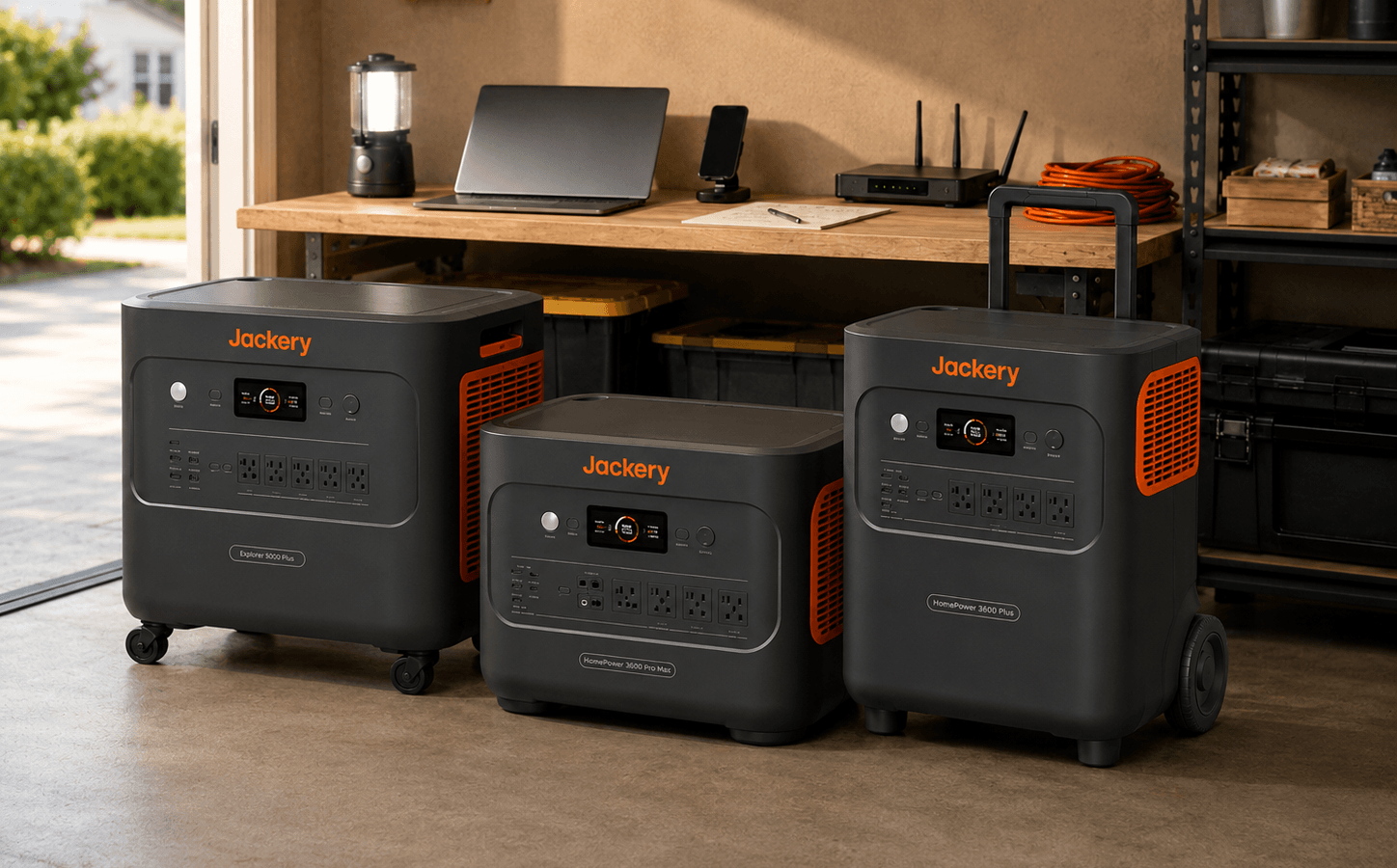
Product Shortlist
Featured products
Product
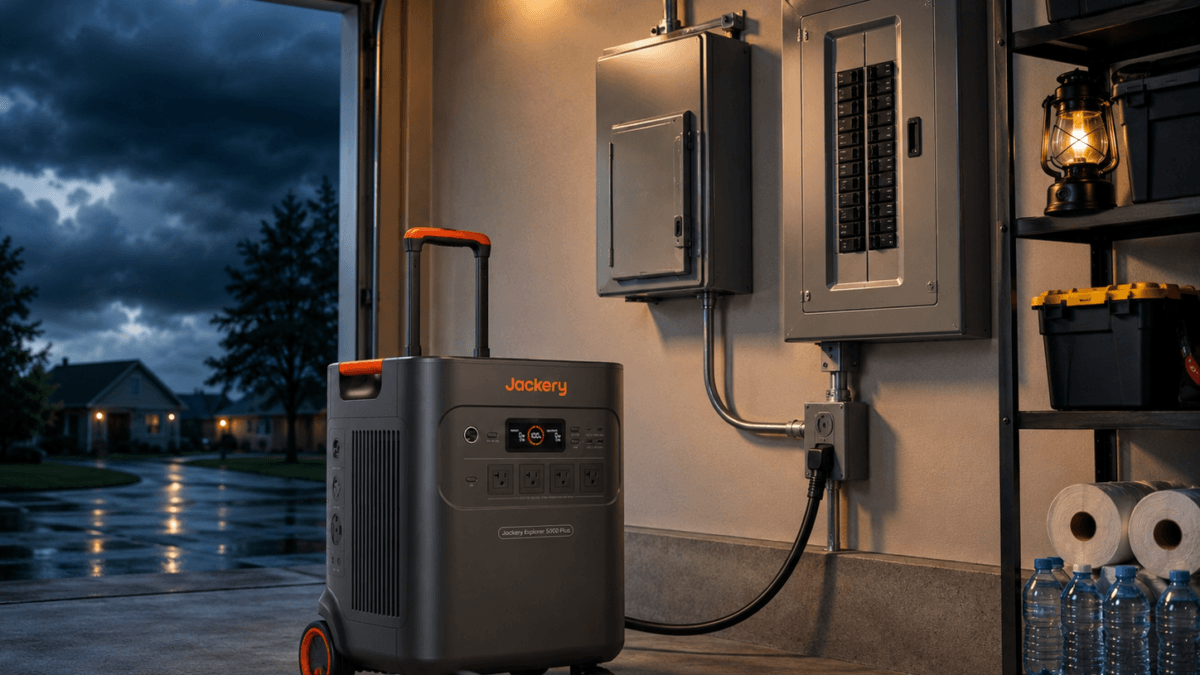
Jackery Explorer 5000 Plus
Large 5,040Wh LiFePO4 portable power station with 7,200W AC output, 14,400W surge, 120V/240V support, solar charging up to 4,000W, and expandable home-backup capacity.
Product
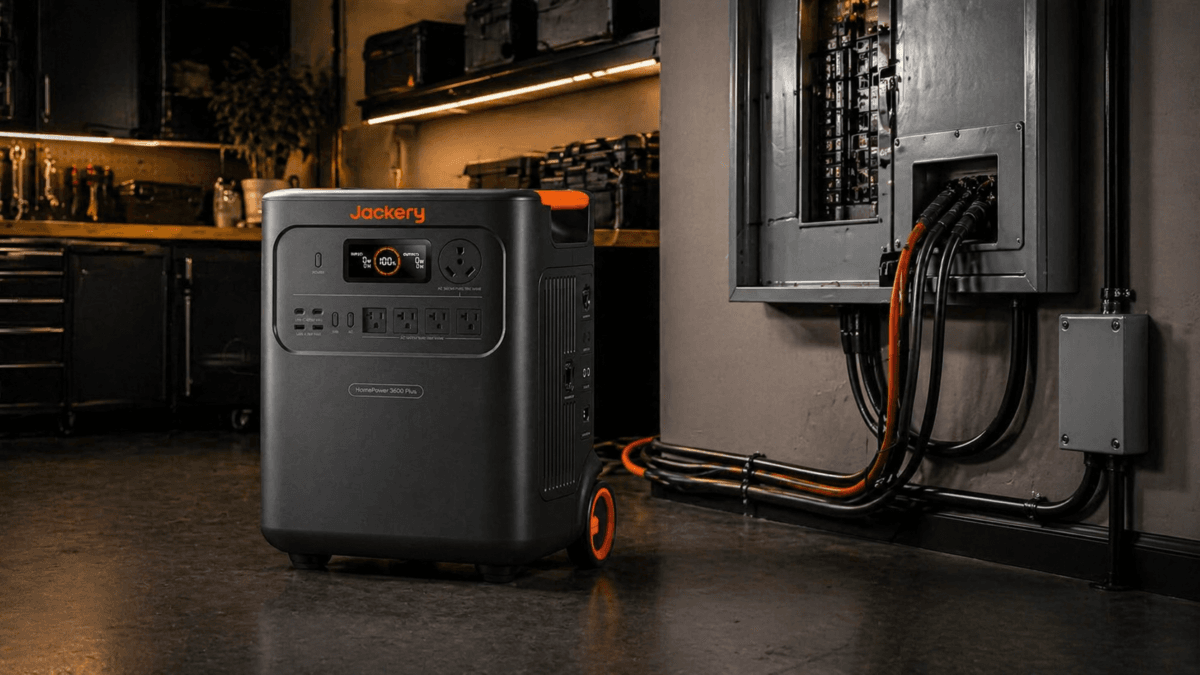
Jackery HomePower 3600 Plus Portable Power Station
3.6kWh LFP portable power station built for essential home backup, RV use, and outage preparedness, with 3,600W AC output, expandable capacity, UPS support, app monitoring, and rolling portability.
Product
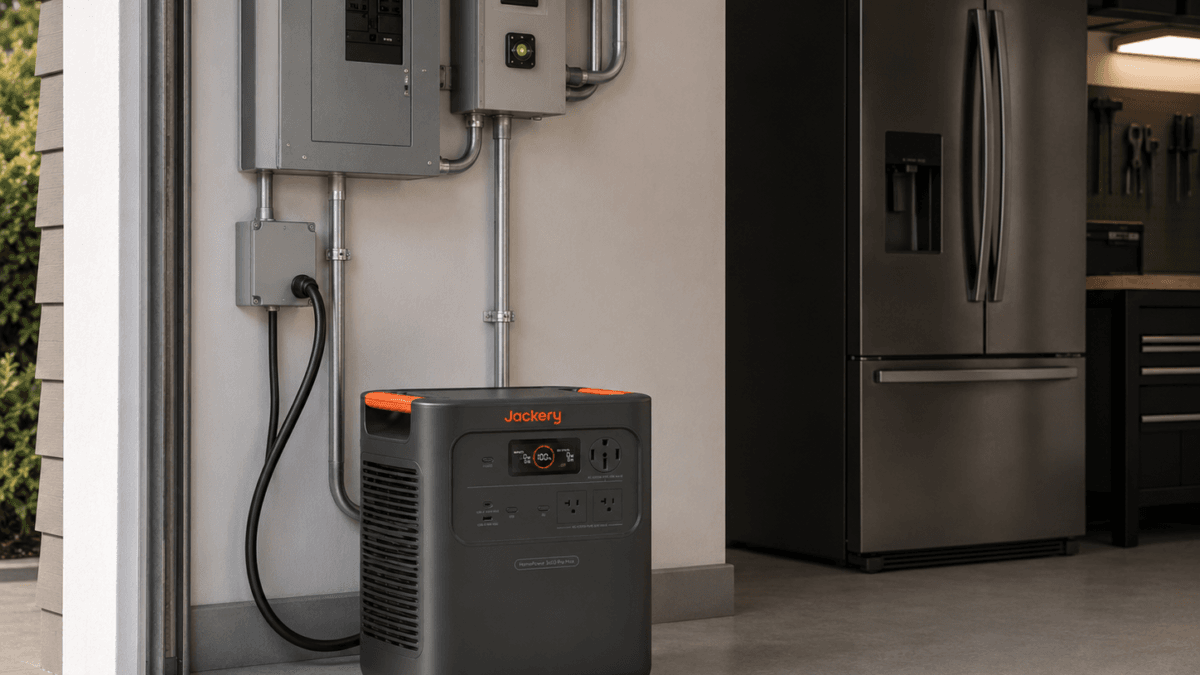
Jackery HomePower 3600 Pro Max
A 3,584Wh LiFePO4 portable power station with 4,000W 120/240V output for measured essential-load backup, compatible selected-circuit planning, and staged expansion. Its trade-off is a 73.85 lb base unit that needs a planned operating location.
Jackery expandable power stations are useful when a home-outage plan needs more than a compact device battery but still requires a controlled, selected-load approach. The right platform depends on the essential devices, the likely time before the next charge, the voltage route, and whether added batteries solve a demonstrated energy gap rather than an imagined one.
This guide compares three verified Jackery platforms: HomePower 3600 Pro Max, HomePower 3600 Plus, and Explorer 5000 Plus. It is not a promise that a portable unit can run every circuit in a house. It is a practical way to choose a starting platform for refrigeration, communications, lighting, work devices, and other appliances only after their exact electrical requirements are confirmed.
The best Jackery expandable power stations for a specific buyer are chosen by load plan, not by the largest expansion number. Battery capacity, continuous output, voltage, placement, and recovery each answer a different question. A system that has enough battery but the wrong voltage route, or enough output but no reliable recharge plan, can still be a poor match.
PowerLabPro does not claim hands-on laboratory testing of these products. The recommendations use current manufacturer-listed specifications, verified PowerLabPro Product records, and buyer-fit analysis. Check the current manual, exact accessory requirements, appliance labels, and electrical compatibility before buying or connecting a portable power station to any selected-circuit plan.
Table of Contents
Quick picks: three distinct Jackery expandable power stations
The three Jackery expandable power stations in this guide serve different outage plans. Choose HomePower 3600 Pro Max when a verified one-unit 120V and 240V route, 4,000W rated output, and a larger published expansion ceiling fit the plan. Choose HomePower 3600 Plus when a rolling 120V starting system with staged growth is the better operational fit. Choose Explorer 5000 Plus when a larger 5,040Wh starting reserve and 7,200W output are justified by the selected loads.
Do not read those roles as a simple price ladder. The most capable platform can be the wrong purchase when the household only needs a restrained 120V essentials plan. A smaller starting platform can be the wrong purchase when a verified load or electrical route already requires more output, more reserve, or one-unit 240V capability.
Among Jackery expandable power stations, the most useful advantage is the one that solves the next real constraint. That may be more stored energy before the next charging opportunity. It may be output headroom for a known overlap of devices. It may be a voltage path. It may also be a simpler system that can actually be stored, moved, tested, and recharged safely.
Who should use an expandable backup platform
Jackery expandable power stations are best suited to buyers who have moved beyond phone charging, lights, and a router but still intend to protect a defined group of essential devices rather than recreate normal whole-house use. A controlled outage plan can include refrigeration, communications, LED lights, a laptop, phone charging, a work device, a fan, and another appliance only when the electrical requirements are known.
They are not automatic substitutes for a professionally designed whole-home battery system, standby generator, or an unverified connection to household wiring. Central air conditioning, electric heat, ranges, dryers, large pumps, and safety-critical equipment can require a different energy plan, compatible transfer equipment, qualified installation, or a larger fixed system.
The buyer who gets the most from Jackery expandable power stations is willing to prioritize. Keep food protection, communications, and work continuity ahead of convenience loads. Set an optional-load shutdown point before the battery is low. Test the base system in calm conditions. Add batteries only when the written plan or a real test shows a useful energy shortfall.
How to choose the right starting platform
When comparing Jackery expandable power stations, record four facts first: the daily watt-hours of the priority list, the highest likely simultaneous running load, the starting behavior of any motor-driven device, and the next realistic charging opportunity. Those facts identify whether the immediate problem is energy reserve, continuous output, voltage, or recovery.
Battery capacity is stored energy. Continuous output is the sustained load the inverter can support. Voltage is part of the connection path. Expansion is a future configuration. None of those values replaces the others. A large battery cannot correct an incompatible voltage. A high-output inverter cannot guarantee long runtime. A large expansion ceiling does not make an untested load list sensible.
The strongest Jackery expandable power stations decision begins with the first night, not the most dramatic future outage. Identify what must remain on until the next morning. Then identify how much energy can actually be recovered through AC charging or compatible solar before the next night. Use the PowerLabPro sizing guide to turn appliance details into a practical reserve plan.
For an appliance with a compressor or motor, do not rely on a generic wattage estimate. Check the model label, manual, normal running demand, expected starting behavior, and compatibility with the chosen station. A temporary surge figure is not a universal promise that every refrigerator, pump, compressor, or power tool will work.
Jackery expandable power stations comparison table
| Platform | Verified starting point | Best for | Main trade-off |
|---|---|---|---|
| HomePower 3600 Pro Max | 3,584Wh, 4,000W, one-unit 120V/240V, published expansion up to 43kWh | Verified one-unit 240V and higher-output selected-load plans | More complex starting architecture than a simple 120V essentials plan |
| HomePower 3600 Plus | 3,584Wh, 3,600W, one-unit 120V, published expansion up to 21kWh | Rolling 120V backup with staged capacity growth | Its published 240V route requires a two-unit configuration |
| Explorer 5000 Plus | 5,040Wh, 7,200W, 120V/240V, published expansion up to 60kWh | Larger starting reserve and higher-output selected-load planning | Greater size, handling, placement, and recovery demands |
This comparison of Jackery expandable power stations is a role map, not a fixed runtime chart. The first two models have equal starting capacity but different voltage paths. Explorer 5000 Plus begins with more stored energy and output, but its larger scale is useful only when the home has a verified reason to use it and a safe way to operate it.
Each product should have a separate job in the shortlist. Pro Max is the single-unit 240V route. HomePower 3600 Plus is the rolling 120V route. Explorer 5000 Plus is the larger starting-reserve route. That clarity prevents a buying guide from becoming a list of nearly identical recommendations.
HomePower 3600 Pro Max: best for verified one-unit 240V planning
HomePower 3600 Pro Max is one of the Jackery expandable power stations to consider when the household has a confirmed reason for one-unit 120V and 240V capability. Jackery lists a 3,584Wh starting battery, 4,000W rated output, and expansion up to 43kWh. That makes it a distinct electrical architecture from a basic rolling 120V setup.
Best for: buyers with a verified 240V or higher-output selected-load requirement. Not ideal for: a plan limited to phones, communications gear, lights, laptop work, and light 120V backup. Main advantage: one-unit 120V and 240V capability with more output headroom. Main trade-off: the extra capability demands compatible equipment, careful placement, and an intentionally designed connection plan.
Within Jackery expandable power stations, Pro Max should not be purchased merely because a 240V outlet sounds more capable. A 240V outlet does not verify a dryer, pump, range, home inlet, transfer device, or selected circuit. Confirm the appliance, connector, running demand, starting behavior, accessory, and installation path before treating the platform as part of a home connection plan.
Why it belongs here: it gives a buyer a one-unit 240V route rather than requiring a second base unit. Better alternative if: the actual plan is a rolling 120V essentials setup, where HomePower 3600 Plus is usually the more proportionate starting point. Read the connected Product guide, Review, and direct comparison before selecting accessories.
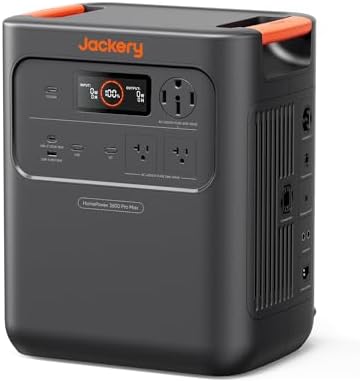
- 4kW–8kW Auto Backup, Ready in Half the Time: Turn your 3600 Pro Max into a home energy hub using a manual transfer switc…
- Experience True Seamlessness: With a <10ms UPS switch—faster than a blink—your computers and appliances keep running wit…
- True 240V Performance from a Single Unit: Get 4000W of 120V/240V power from one unit. Starting at 3.6kWh and expandable …
HomePower 3600 Plus: best for a rolling 120V starting system
HomePower 3600 Plus is one of the Jackery expandable power stations that makes sense when 120V essential-load backup is the immediate priority. It starts at 3,584Wh with 3,600W output and a published expansion path up to 21kWh. Jackery describes one unit as a 120V platform and its 240V path as a documented two-unit configuration.
Best for: a controlled refrigerator, communications, lighting, work-device, and basic comfort plan where a rolling form factor has practical value. Not ideal for: a buyer who already knows that a one-unit 240V route is required. Main advantage: a lower-complexity starting platform with staged growth. Main trade-off: its first unit does not duplicate the Pro Max voltage architecture.
Among Jackery expandable power stations, this model suits buyers who want to test real energy use before adding equipment. That measured approach can reveal whether the base unit covers the first-night essentials or whether the next purchase should be extra battery capacity, a better solar-recovery plan, a different load list, or a different platform entirely.
Why it belongs here: it is the rolling 120V route in this shortlist. Better alternative if: a confirmed one-unit 240V requirement exists, in which case Pro Max is the more direct option, or a larger starting reserve and output class are verified needs, in which case Explorer 5000 Plus becomes relevant. See the connected Product reference and Review.
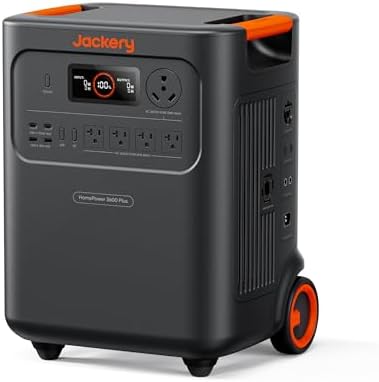
- Essential Home Backup: The Jackery HomePower 3600 Plus delivers 3600W output (7200W in parallel) to run pumps, heaters, …
- Safe Power That Lasts: Built with high-temp resistant ceramic membrane battery cells tested at 302 °F, the Jackery HomeP…
- Plug-and-Play: With its easy plug-and-play design, the Jackery HomePower 3600 Plus, paired with MTS, powers your home ef…
Explorer 5000 Plus: best for a larger starting reserve and output class
Explorer 5000 Plus belongs among Jackery expandable power stations when the immediate constraint is starting reserve, not simply a future expansion plan. It begins at 5,040Wh, with 7,200W rated output, 120V and 240V capability, and a published expansion ceiling up to 60kWh. That is a larger class of platform and needs a correspondingly deliberate operating plan.
Best for: a demanding but still selected-load plan that needs more stored energy before the next recharge and higher simultaneous output headroom. Not ideal for: a home without safe storage or movement capacity for a larger station, or a buyer whose written list already fits one of the 3,584Wh platforms. Main advantage: larger starting reserve and output. Main trade-off: greater size, handling, space, cable-control, and recovery demands.
For Jackery expandable power stations, bigger is helpful only when it changes the actual outcome. When food protection, communication devices, and laptop work are the only priorities, the added scale may be unnecessary. When a written plan confirms a longer recharge gap or more verified simultaneous load, the larger base battery can be more useful than starting smaller and trying to compensate later.
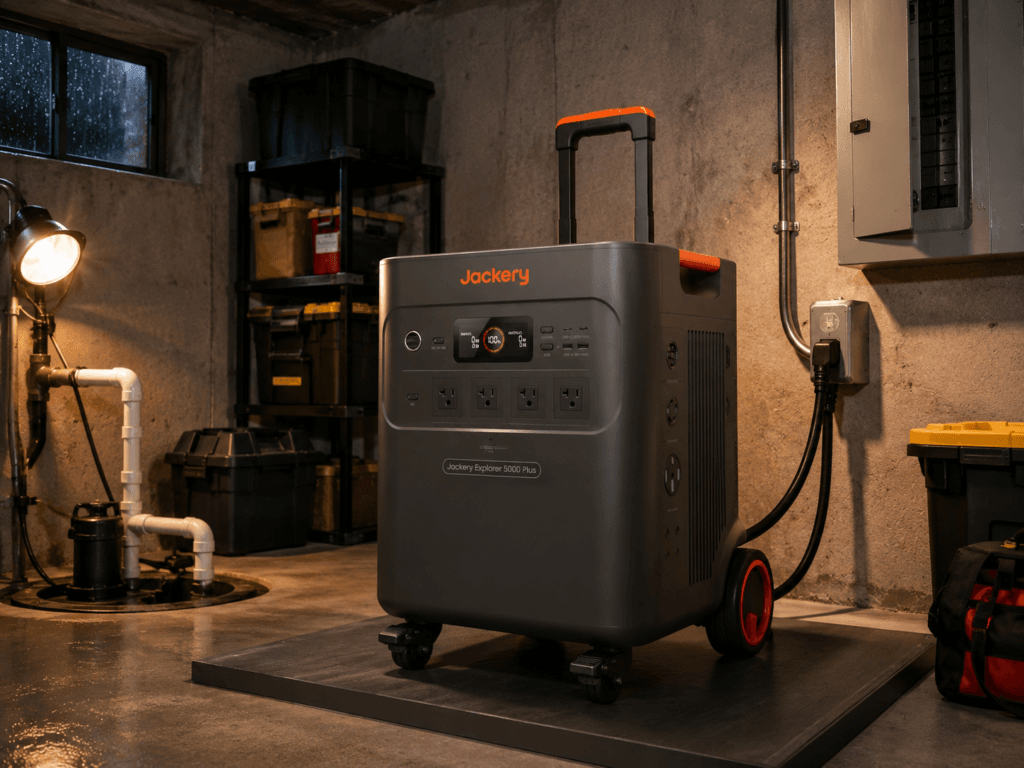
Why it belongs here: it fills the larger-reserve role without turning the guide into a generic product list. Better alternative if: a 3,584Wh starting platform already matches the essential load list and the household benefits more from a simpler testable system. Read the connected Product reference and Review before treating it as a home-connection solution.
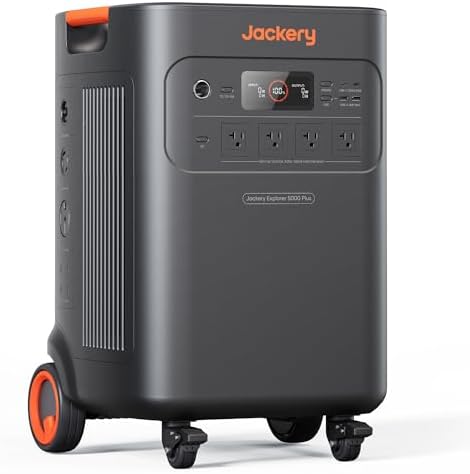
- Handles Even the Big Appliances: Run major home appliances with 7200W of rated power (14,400W surge). Supports both 120V…
- Backup That Lasts for 13 Days: A 5040Wh capacity, expandable up to 60kWh — enough to keep your home running through an e…
- More Power From the Sun: Compatible with both high-and low-voltage solar panels, recharge in about 2 hours with up to 40…
Capacity, output, and voltage planning
Good planning for Jackery expandable power stations uses three separate checks. Capacity determines the energy reserve. Continuous output determines the combined load the inverter can support. Voltage and compatible equipment determine whether the intended appliance or selected-circuit route is appropriate. Do not let one appealing specification stand in for the other two.
For example, a refrigerator may have modest running demand but a different start-up requirement. A pump, compressor, older refrigerator, air-conditioning component, or power tool can be more demanding still. Check the exact appliance label, manual, normal running load, anticipated overlap, and motor-start behavior. Leave capacity and output margin rather than building a plan around an absolute maximum.
The right Jackery expandable power stations calculation also accounts for what can wait. Do not add every household appliance to a theoretical total. Define the devices that must run together, estimate their operating hours, and reserve battery energy for the next essential cycle. That produces a safer decision than planning around the largest advertised expansion number.
When an exact appliance is uncertain, pause before purchase. The station can be selected only after the device, electrical route, and safe use case are understood. More battery capacity cannot correct the wrong voltage, an unsafe cable run, or a connection method that the product documentation does not support.
Expansion and daily recovery planning
Jackery expandable power stations make the most sense when battery growth is tied to a real energy gap. An added battery can extend reserve, but it also adds cost, floor space, cables, charging needs, and another piece of equipment that must be stored safely. Add capacity because the measured plan needs it, not because the maximum configuration looks reassuring.
For a longer outage, daily energy balance matters as much as stored energy. Solar can help restore the battery, but actual energy harvest depends on compatible panels, input range, connector configuration, shade, weather, panel angle, temperature, cable loss, and battery state. A published maximum solar-input value is a compatibility ceiling, not a daily production guarantee.
Use Jackery expandable power stations with a written recovery plan. Charge before expected severe weather. Identify the battery percentage that ends optional loads. Keep a controlled priority list. Decide whether AC charging, compatible solar, or lower daily use will restore enough reserve for the next night. That plan is more valuable than a vague claim about “days” of power.
A small compatible solar setup that can be deployed safely and consistently may help more than a theoretical maximum array that remains in storage. Review the portable solar-panel guide only after confirming the current station manual and input specifications.
Safe connection and placement
Jackery expandable power stations are selected-load tools, not permission to improvise electrical connections. Do not backfeed home wiring. Do not connect a portable unit to an unknown circuit. A 240V outlet does not prove an appliance, home inlet, transfer switch, or panel connection is safe. Use compatible equipment and a qualified installation path whenever the plan involves a transfer device or selected circuit.
Place the station on a dry, stable, ventilated surface with clear cable routing. Avoid blocked vents, water, damaged cords, trip hazards, and rushed lifting. Decide where the equipment will live before an emergency. A system that is stored safely and tested regularly is more useful than a larger configuration that cannot be deployed without confusion.
For general readiness, review Ready.gov’s power-outage guidance. Use product documentation for equipment-specific decisions, not a general article or a generic appliance claim.
Common mistakes that shorten useful backup time
Buyers researching Jackery expandable power stations can avoid most disappointment by resisting five common mistakes: choosing only by watt-hours, treating temporary surge as continuous output, assuming solar guarantees recovery, buying expansion before testing the base system, and trying to preserve normal household habits instead of protecting priority loads.
- Start with essentials: food protection, communications, lighting, and the most important work or comfort device come first.
- Separate watts from watt-hours: output decides what can run together; capacity affects how long the battery can support it.
- Test motor-driven loads: verify exact device behavior before depending on the unit in an outage.
- Protect reserve: choose a battery threshold where optional devices turn off.
- Test the full setup: check cords, placement, charging, and load order during normal conditions.
Jackery expandable power stations FAQ
Which Jackery option fits a verified one-unit 240V plan?
Within Jackery expandable power stations, HomePower 3600 Pro Max is the relevant option when the verified load and compatible connection plan require Jackery’s one-unit 120V and 240V capability. The exact appliance, connector, transfer equipment, and any installation requirement still need separate confirmation.
Which model starts with the largest battery reserve?
Explorer 5000 Plus starts at 5,040Wh. HomePower 3600 Pro Max and HomePower 3600 Plus both start at 3,584Wh. The larger starting reserve is useful only when the priority-load plan needs that energy before the next realistic charging opportunity.
Should I buy expansion batteries before testing the base system?
Buy extra batteries only when the written plan or a measured test shows a genuine energy gap. The right Jackery expandable power stations configuration includes enough reserve for the essential list and a realistic plan to restore that reserve, not the largest possible stack of hardware.
Can a portable station power every circuit in a house?
No. Treat these products as selected-load platforms. Whole-home operation depends on actual circuits, load profile, compatible transfer equipment, installation, local requirements, and a system designed for that specific job. Do not treat a portable station as an improvised replacement for a designed home electrical system.
Final recommendation by buyer plan
The best Jackery expandable power stations choice matches the current electrical need before the maximum future expansion. Choose HomePower 3600 Pro Max when the written plan verifies one-unit 240V capability, 4,000W output, or the larger published expansion ceiling. Choose HomePower 3600 Plus when a rolling 120V starting system with staged growth is the practical first step. Choose Explorer 5000 Plus when a larger 5,040Wh starting reserve and 7,200W output are genuinely justified.
These Jackery expandable power stations can support a thoughtful long-outage strategy, but none replaces an essential-load plan, an appliance compatibility check, safe placement, or realistic daily recovery. Protect the loads that matter most, preserve battery reserve, and add hardware only when the measured plan demonstrates why it is needed.
Final Recommendation
Choose HomePower 3600 Pro Max for a verified one-unit 240V or higher-output selected-load plan. Choose HomePower 3600 Plus for a rolling 120V starting system with staged expansion. Choose Explorer 5000 Plus when a larger 5,040Wh starting reserve and 7,200W output are justified by the written load, placement, and recovery plan.
Frequently Asked Questions
Which Jackery platform fits a verified one-unit 240V plan?
HomePower 3600 Pro Max is the relevant option here when a confirmed load and compatible connection plan require its one-unit 120V and 240V capability.
Which option starts with the largest battery reserve?
Explorer 5000 Plus starts at 5,040Wh. HomePower 3600 Pro Max and HomePower 3600 Plus both start at 3,584Wh.
Should I buy expansion batteries before testing the base system?
Only when the written essential-load plan shows a real energy gap. Expansion adds capacity but also adds cost, placement, cable, and recovery requirements.
Can a portable power station safely power every circuit in a home?
No. Treat these as selected-load platforms unless a compatible electrical design and qualified installation support a specific connection plan.
Does solar guarantee long-outage backup?
No. Panel configuration, weather, shade, angle, temperature, cable loss, station input limits, and load discipline all affect daily recovery.